
Structural Drying IICRC S500 Tucson
Fans alone do not dry walls and subfloors—low-grain dehumidifiers and calculated air movement do. We monitor moisture daily until wood, drywall, and concrete meet dry standards, preventing mold after Tucson pipe bursts, AC leaks, and monsoon intrusion.
IICRC S500 Structural Drying in Tucson
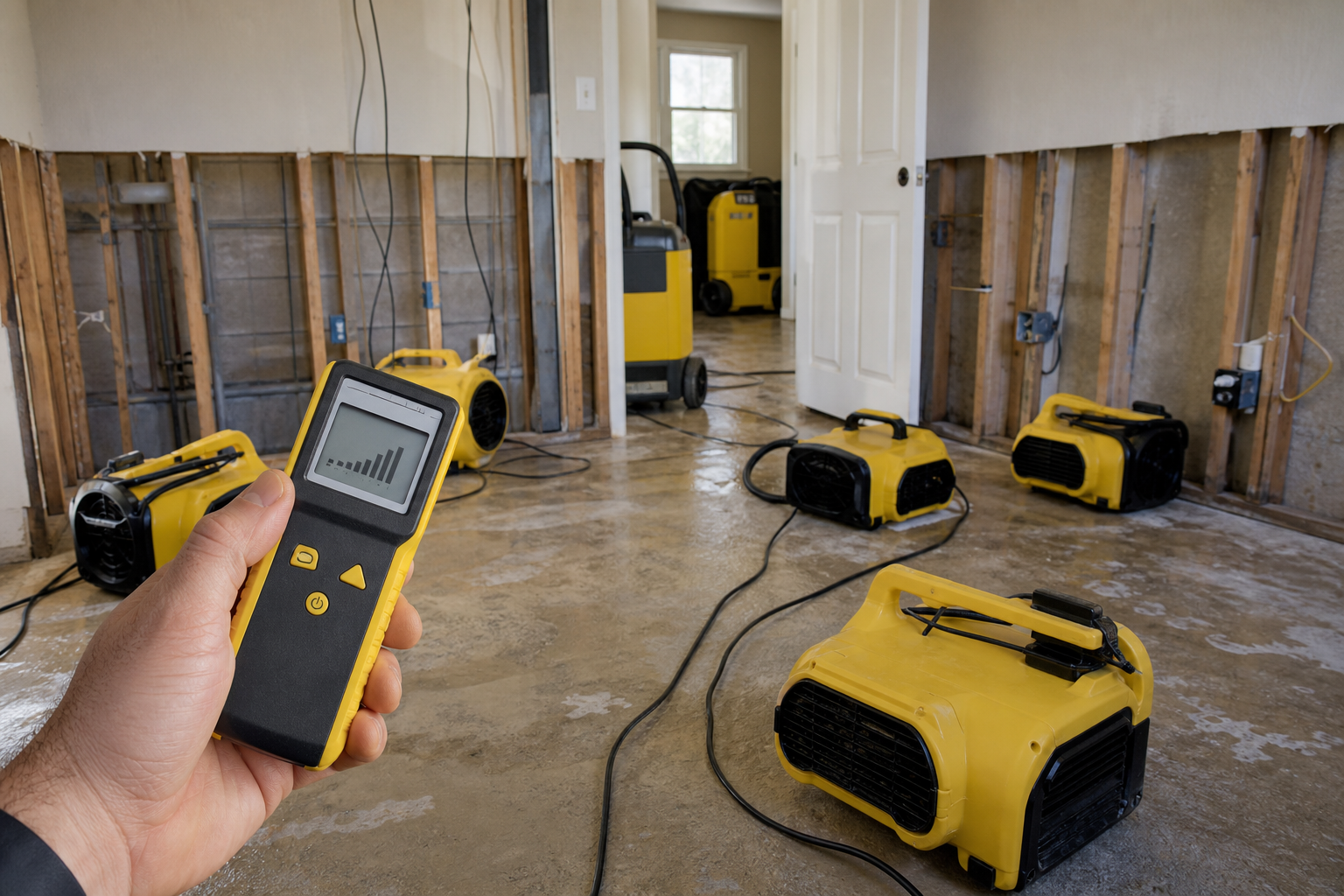
Structural drying removes bound water from building materials after water extraction removes free water. IICRC S500 psychrometrics balance temperature, humidity, and airflow so materials release moisture into the air where dehumidifiers capture it. Tucson's dry outdoor air tempts homeowners to open windows—but during monsoon season outdoor humidity spikes defeat drying and invite mold.
We dry stucco-walled slab homes in Marana, multi-story Foothills properties, and commercial tenant spaces downtown using low-grain refrigerant (LGR) dehumidifiers sized to cubic footage and wet material load.
Why Professional Drying Beats Fans Alone
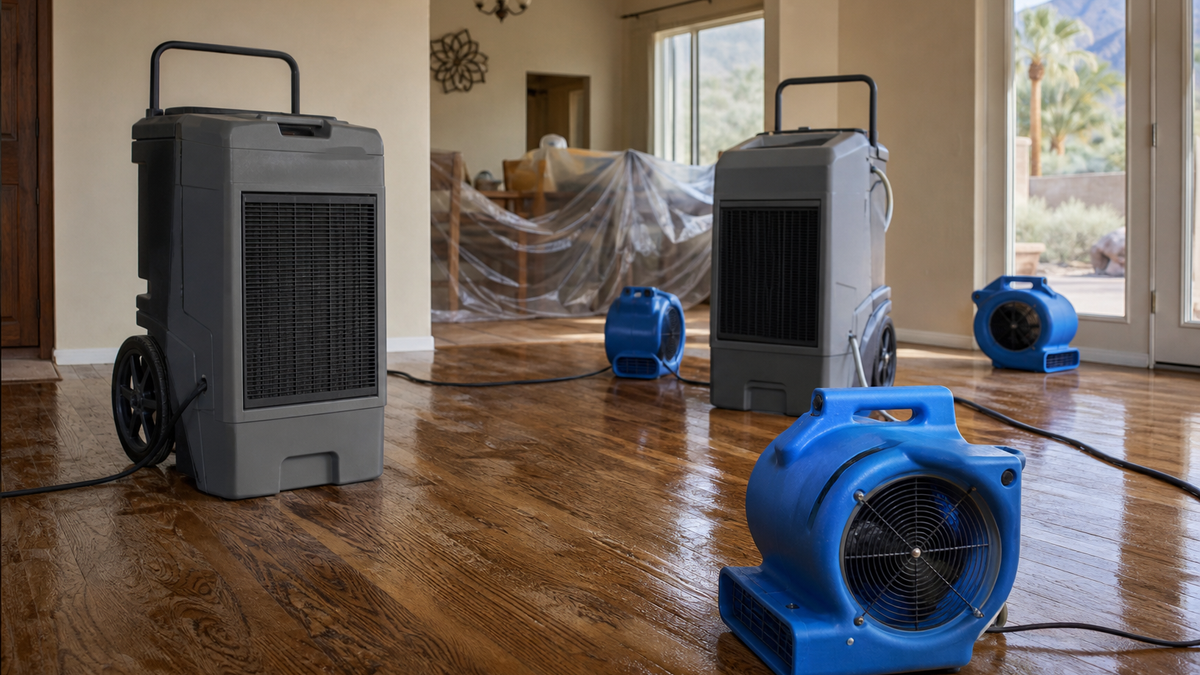
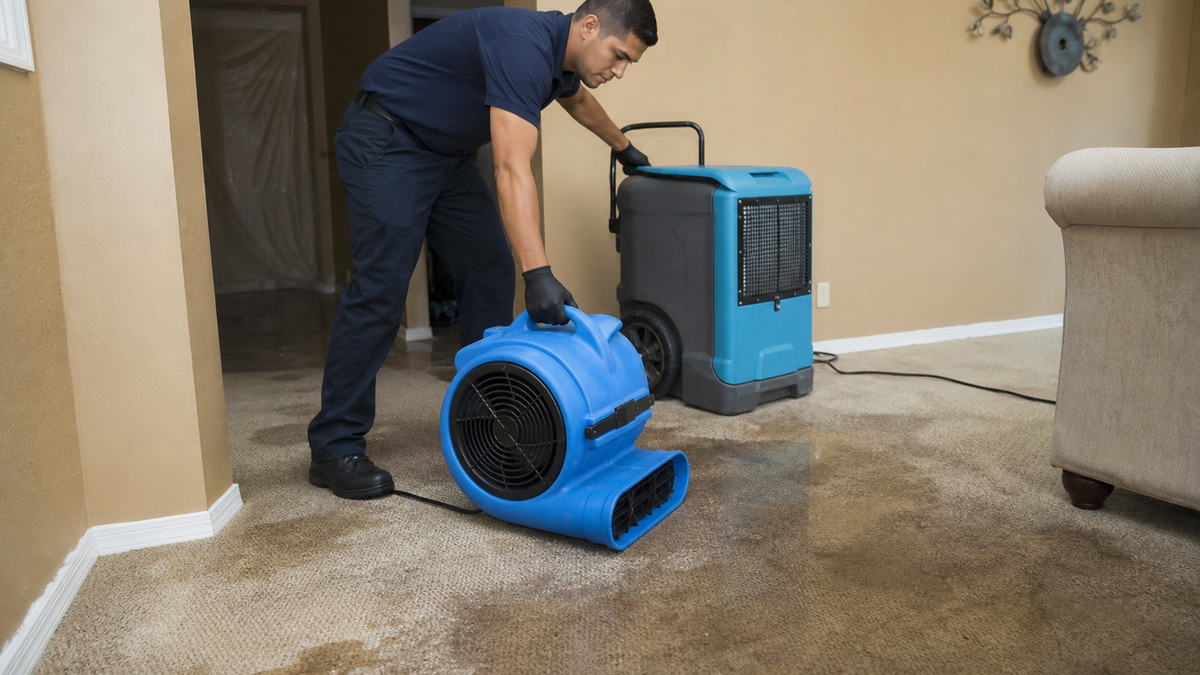
Household fans evaporate surface water into the air without removing vapor—indoor humidity rises and mold starts inside wall cavities. Professional drying pairs air movers at correct angles with dehumidifiers that pull grains from the air, creating a drying gradient from material to environment.
Daily moisture meter readings on studs, subfloors, and drywall document progress for insurance and prove dry standard before rebuild.
Equipment & Placement Strategy
Air movers sit every 10–16 linear feet along wet walls; dehumidifiers centralize in closed drying chambers for efficiency. Injectidry systems reach wall cavities when flood cuts expose wet drywall backs without full room demo.
Large commercial water losses may require desiccant dehumidifiers when temperature extremes in unconditioned warehouses affect LGR performance.
Desert Construction Considerations
Adobe and thick plaster hold moisture longer than standard drywall—extended monitoring prevents premature texture and paint. Slab-on-grade homes wick water through cracks; perimeter baseboard removal and drill-and-inject drying may be required.
Attic insulation wet from monsoon leaks must be removed before ceiling cavity drying—otherwise vapor traps above living spaces.
Moisture Monitoring & Documentation
Technicians log relative humidity, grain depression, and material moisture content daily. Charts show downward trends adjusters expect. When readings plateau, we investigate hidden moisture—slab leaks, wet insulation, or vapor barriers trapping water.
Dry standard varies by material: wood framing typically targets 12–15 percent moisture content in desert climates before enclosure.
Mold Prevention Timeline
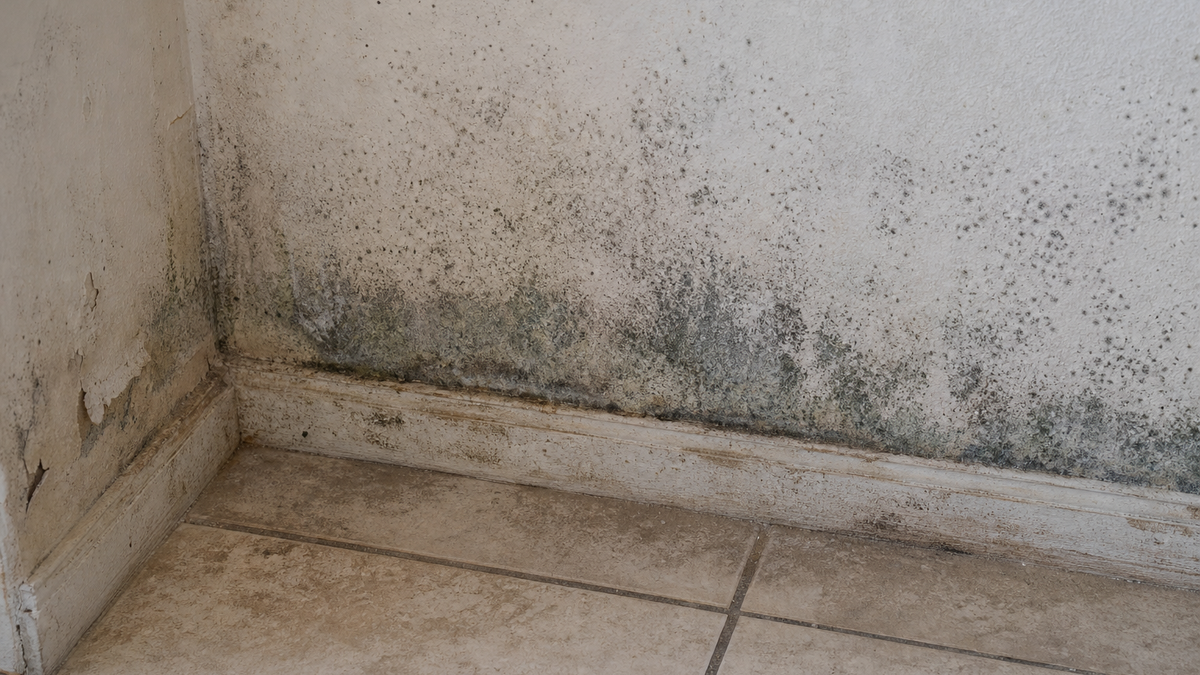
Mold can colonize porous materials in 48–72 hours after saturation. Fast extraction plus same-day drying equipment deployment is critical. If mold appears, we transition to mold remediation with updated containment while continuing drying.
Antimicrobial treatment on exposed framing adds protection during extended dry times on large losses.
Category-Specific Drying
Category 1 clean water allows aggressive salvage drying of structure and some contents. Category 2 gray water requires removal of affected porous materials before drying salvageable framing. Category 3 sewage requires biohazard cleanup before drying begins—never dry contaminated carpet pad in place.
Completion & Handoff to Rebuild
When dry standard is met, equipment removes and optional air testing confirms no elevated spores from disturbed dust. Rebuild drywall, flooring, and paint proceed with confidence materials will not trap residual moisture.
Odor treatment addresses any lingering wet-wood smell despite acceptable moisture readings—usually minor after proper S500 drying.
Psychrometrics Without Jargon
Drying succeeds when air is hungry for moisture—low humidity and warm air pull vapor from wet materials. LGR dehumidifiers remove grains of water from air efficiently in closed drying chambers. We measure progress in grain depression and material moisture content, not how dry the air feels to occupants.
Opening windows during monsoon introduces humid outdoor air that slows drying and invites mold—counterintuitive in desert climate where outdoor RH spikes to 50%+ during storms while indoor losses need 30–40% RH targets.
Flood Cuts & Cavity Drying
Drywall flood cuts at 12–24 inches release vapor from wet cavities behind stucco. Air movers direct air into cuts while dehumidifiers pull released moisture. Injection drying systems reduce need for extensive demo on multi-room losses when caught early after extraction.
Insulation in exterior walls slows drying—wet insulation removes rather than drying in place when cellulose or fiberglass compressed and contaminated.
Commercial Drying Scale
Warehouse and retail losses use larger dehumidifier counts and zoning with plastic barriers—drying 10,000 square feet requires load calculations not residential guesswork. Business continuity plans may dry front retail while back storage demo proceeds in phases.
Desiccant dehumidifiers help unconditioned spaces when LGR efficiency drops in extreme heat—relevant for garage conversions and metal buildings in industrial corridors south of Tucson.
When Drying Fails & Mold Follows
Incomplete drying within 72 hours often leads to mold remediation adding cost. We monitor until readings plateau at dry standard—stopping early to save dehu rental days causes expensive mold callbacks. Honest extension of drying protects homeowners and our warranty reputation.
Post-dry air testing optional when health-sensitive occupants or insurers require proof before rebuild authorization through claim assistance.
Local Expertise for Structural Drying in Tucson
From Catalina Foothills and Oro Valley to Marana, Rita Ranch, Green Valley, and central Tucson barrios, Pima County homes combine stucco exteriors, slab foundations, evaporative coolers, and long cooling seasons that stress plumbing and roofing. Monsoon microbursts, AC condensate overflows, and vacant snowbird properties closed through humid summer weeks create moisture problems despite desert reputation for dryness. Structural Drying in this environment requires contractors who understand adobe additions, foam flat roofs, rooftop package HVAC, and hard-water scale attacking copper lines—not generic national playbooks written for humid coastal climates.
We dispatch from greater Tucson with equipment sized for ranch homes, hillside multi-level builds, and commercial tenant spaces along Oracle, Grant, and Broadway corridors. Response targets 60–90 minutes for emergencies when crew capacity allows during monsoon surges affecting entire neighborhoods simultaneously.
Desert humidity swings and hard-water plumbing mean the same home can suffer AC condensate floods in August and pipe pinholes in January—we plan mitigation for year-round failure modes, not single-season shortcuts.
Standards, Documentation & Next Steps
Our work aligns with IICRC S500 water restoration and S520 mold remediation standards recognized by insurers, industrial hygienists, and property managers statewide. Daily moisture documentation, HEPA filtration, and correct water category handling separate professional mitigation from consumer fans-and-bleach attempts that spread contamination or leave wet cavities mold-ready within 72 hours. Whether you need insurance documentation, third-party clearance, or fast occupancy restoration, our process produces records adjusters and buyers recognize.
Call (520) 462-0491 for a free visual assessment and plain-language scope. We coordinate with extraction, drying, remediation, and air testing as your loss requires—one coordinated team across Pima County rather than conflicting vendors leaving gaps where mold and odor return next season.
Every job receives photo documentation, moisture readings where applicable, and written recommendations for preventing repeat damage—whether you are a homeowner in Sahuarita, a landlord near UA, or a facility manager overseeing multiple Pima County locations.
When You Need Structural Drying
Any wet framing, subfloor, or wall cavity after extraction needs monitored dehumidification.
Walls Cool or Damp to Touch
Surface dryness can hide wet studs—meters reveal true moisture content.
Musty Odor After Extraction
Smell means materials still wet—fans without dehumidifiers worsen mold risk.
Swollen Baseboards or Buckling Floors
Subfloor and plate moisture requires professional drying, not waiting weeks.
High Indoor Humidity
Hygrometer readings above 60 percent after a leak indicate inadequate dehumidification.
Monsoon Season Water Loss
Outdoor humidity spikes make window ventilation counterproductive—closed drying required.
Insurance Requires Dry Logs
Carriers expect documented psychrometrics before approving rebuild payments.
Structural Drying Process
Science-based drying with daily proof—not hope and household fans.
Moisture Mapping Baseline
Meters and thermal imaging define wet areas and dry standard targets.
Equipment Deployment
Air movers and LGR dehumidifiers placed for optimal vapor pressure differential.
Daily Monitoring & Adjustment
Log readings, move equipment, and demo when hidden wet materials block progress.
Dry Standard Verification
Confirm material moisture meets rebuild criteria and remove equipment.
When Structural Drying Is Essential
Any saturated building material needs dehumidification—not just air movement.
Incomplete Post-Leak Drying
DIY attempts leave sub-surface moisture that causes mold and odor.
Monsoon Intrusion
Wet walls, insulation, and subfloors after storm water entry.
AC & Plumbing Leaks
Ceiling cavities and wall voids stay wet without targeted drying.
Trapped Vapor in Walls
Stucco and vapor barriers slow evaporation without injection drying.
Delayed Professional Response
Hours matter—late extraction extends drying time and mold risk.
Tucson Structural Drying Specialists
Dry structure correctly the first time—before mold takes hold.
IICRC S500 Methods
Psychrometric charts and grain depression guide equipment decisions daily.
Commercial-Grade Dehumidifiers
LGR units sized for Tucson homes and tenant build-outs—not consumer units.
Insurance-Ready Logs
Daily moisture documentation adjusters require for rebuild approval.
Mold-Aware Integration
Remediation-ready if growth appears—no gap between drying and mold teams.
Structural Drying FAQs
Understanding professional drying after Tucson water losses.
Typical rooms: three to five days; large multi-area losses: seven to fourteen days with daily monitoring.
AC removes some moisture but is not designed for restoration grain depression—professional dehumidifiers dry faster and document progress.
Only when outdoor humidity is low—during monsoon, open windows introduce moisture and slow drying.
Mitigation drying is commonly covered on sudden water losses—we provide logs for adjusters.
When wet drywall, insulation, or pad block vapor release—flood cuts and removal speed dry times.
Structural Drying — Pima County
Residential and commercial drying crews across greater Tucson.
Drying calls follow monsoon peaks and winter pipe bursts when visitors activate long-idle plumbing in Oro Valley and Green Valley.
Property managers rely on our daily moisture reports to authorize rebuild contractors and tenant re-occupancy timelines.
Restoration Guides Related to Structural Drying
Homeowners researching structural drying in Tucson often need clear timelines, prevention steps, and insurance context. These guides complement our on-site IICRC-aligned work across Pima County.
Explore Our Tucson Restoration Resources
Browse services, local service areas, expert guides, and FAQ answers — organized to help homeowners, landlords, and property managers find the right next step fast.
Located in the Heart of Tucson
Our 5578 S Houghton Rd, Tucson, AZ 85747, USA base lets us reach Catalina Foothills, Oro Valley, Marana, and neighborhoods across Pima County quickly — day or night during monsoon season and every day of the year.