
Mold Inspection & Testing in Tucson
Musty odors without visible mold, mystery allergy symptoms, or a real estate deadline all start with proper inspection. We map moisture, sample air and surfaces, and deliver lab-backed reports that guide remediation—not guesswork.
Mold Inspection & Testing for Tucson Properties
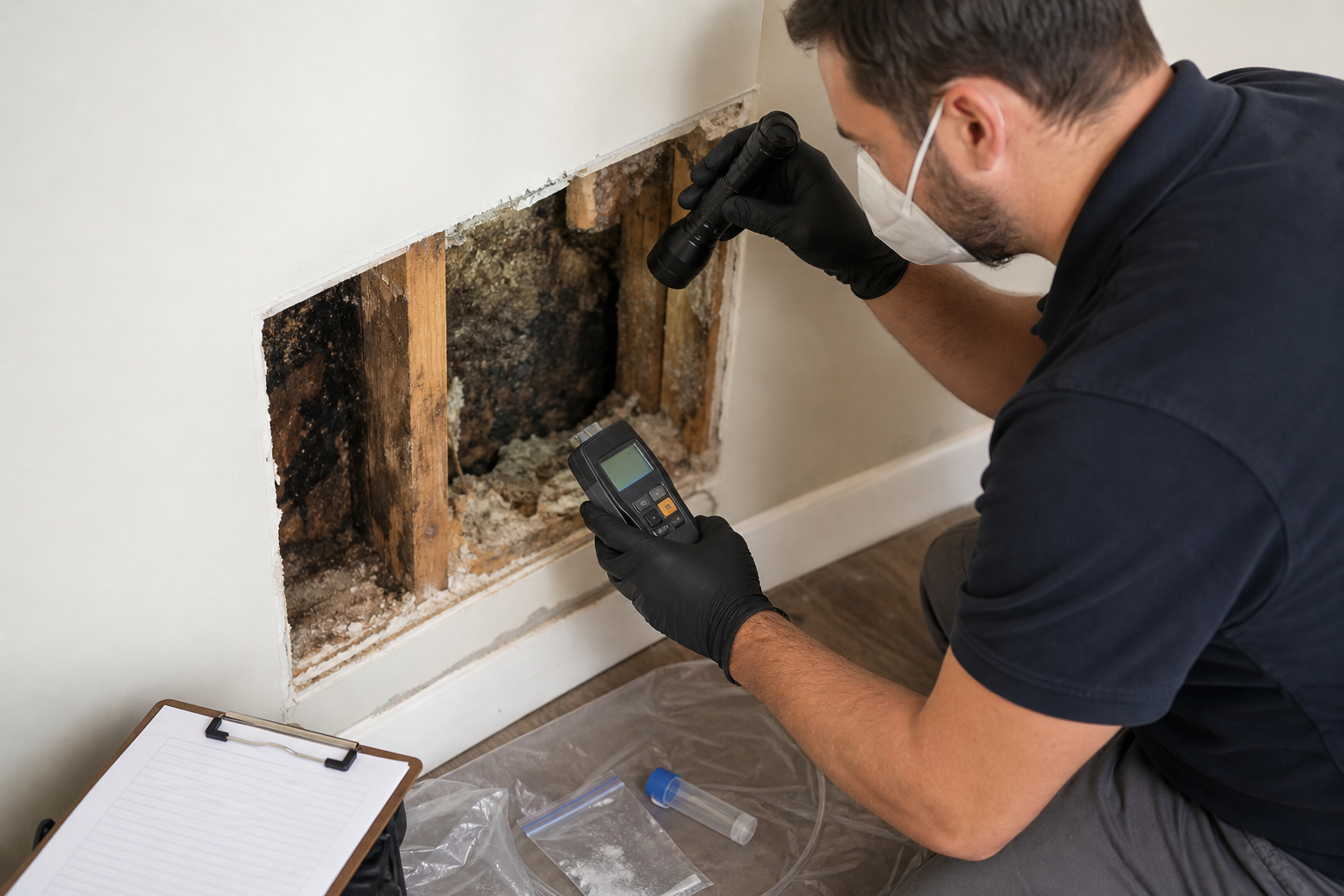
A professional mold inspection combines building science with microbiology. We walk your property looking for water stains, efflorescence on adobe, swollen baseboards, and condensate staining near rooftop HVAC units. Moisture meters and thermal cameras reveal hidden wet zones that explain why spore counts spike in certain rooms.
When visible mold is limited but health concerns or transaction requirements exist, air and surface sampling provide objective data. Samples are analyzed by accredited laboratories with species identification so remediation scope matches actual conditions—not fear-driven over demolition.
When to Schedule Mold Inspection
Pre-purchase inspections in Catalina Foothills and Casas Adobes often include mold assessment when homes were closed up through humid monsoon weeks. Landlords call us after tenant complaints. Homeowners schedule testing when musty closets persist after cleaning or when water damage occurred months ago without professional drying.
Post-remediation clearance inspection confirms mold removal success before rebuild. Insurers sometimes require third-party verification—we provide independent documentation with chain-of-custody forms.
What Our Inspection Includes
Visual survey of accessible areas, moisture readings on suspect walls and slabs, thermal imaging for hidden wet patterns, and documentation with photos. We note HVAC type—split system, package unit, or evaporative cooler—and whether returns pull air from attic spaces prone to dust and mold in Tucson homes.
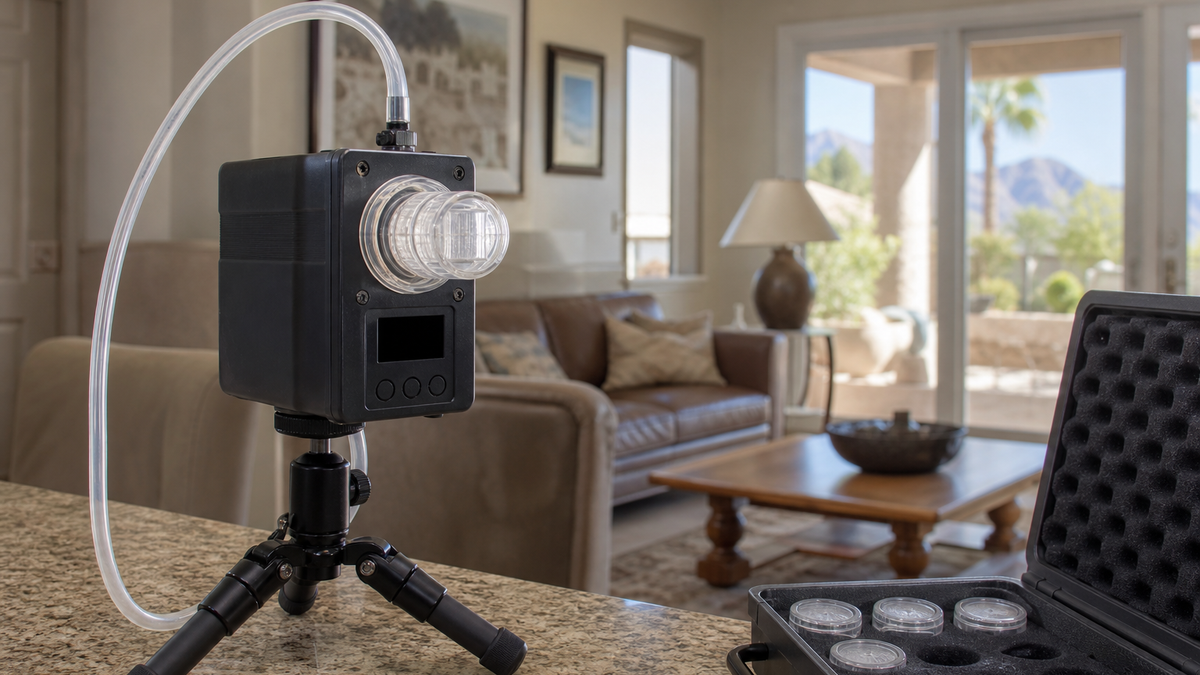
Sampling strategy depends on goals: spore trap air cassettes compare indoor rooms to outdoor baseline; tape lifts and swabs identify species on visible growth; wall cavity probes may be recommended when moisture is high but mold is not yet visible.
Understanding Lab Results
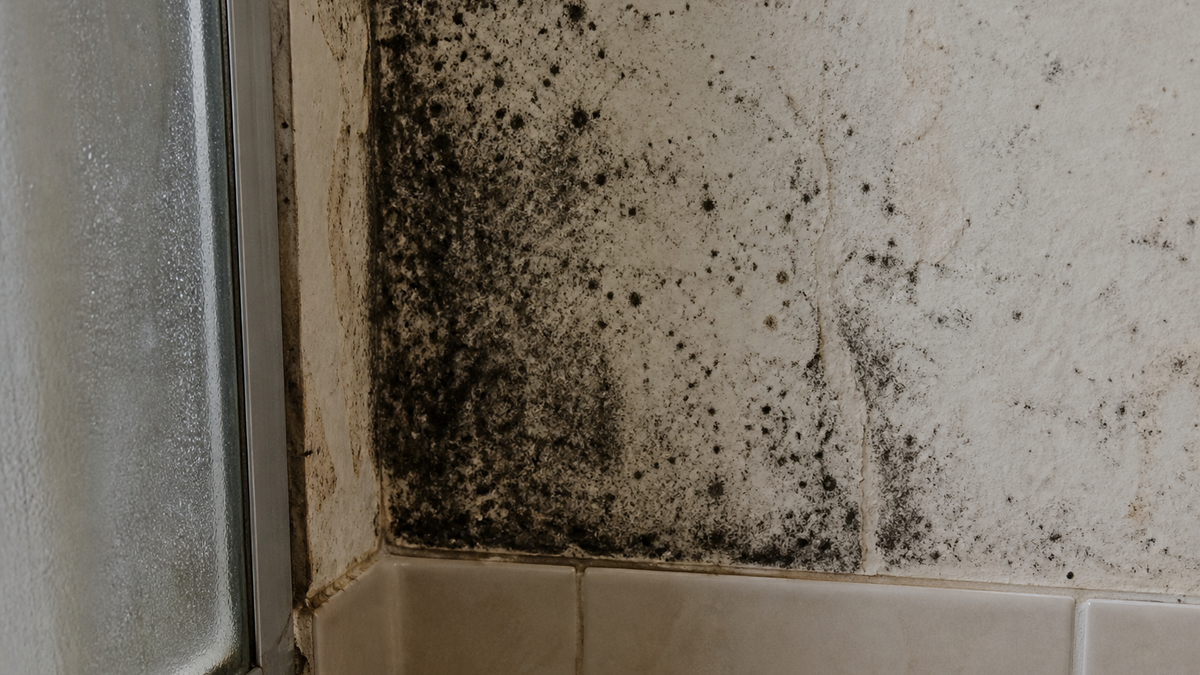
Elevated indoor spore counts relative to outdoor background suggest active growth or recent disturbance—not every mold species is toxigenic, but concentration and location matter. Aspergillus and Penicillium indoors often trace to chronic moisture; Stachybotrys may indicate long-term wet drywall and triggers specialized removal planning.
We translate lab jargon into plain English recommendations: fix a roof scupper, improve bathroom exhaust, schedule remediation, or simply monitor after a one-time leak that was dried properly per IICRC S500.
Inspection vs. Remediation Conflict of Interest
We inspect first without pushing unnecessary demolition. When remediation is warranted, you may hire us or any contractor—but the inspection report stands on its own for adjusters, attorneys, and buyers. That independence matters in Pima County real estate where disclosure laws are strict.
Free visual checks by remediation-only companies can miss hidden moisture. Our inspection fee buys instrument-backed data you can rely on in negotiations.
Commercial & HOA Inspections
Office buildings with flat roofs, restaurants with steam-heavy kitchens, and HOA common laundry rooms in mid-rise Tucson condos all benefit from periodic moisture and mold surveys. We provide executive summaries for boards and detailed technical appendices for engineers.
School-adjacent daycares and assisted-living facilities near Green Valley receive priority scheduling when occupancy-sensitive populations are involved.
Desert-Specific Inspection Notes
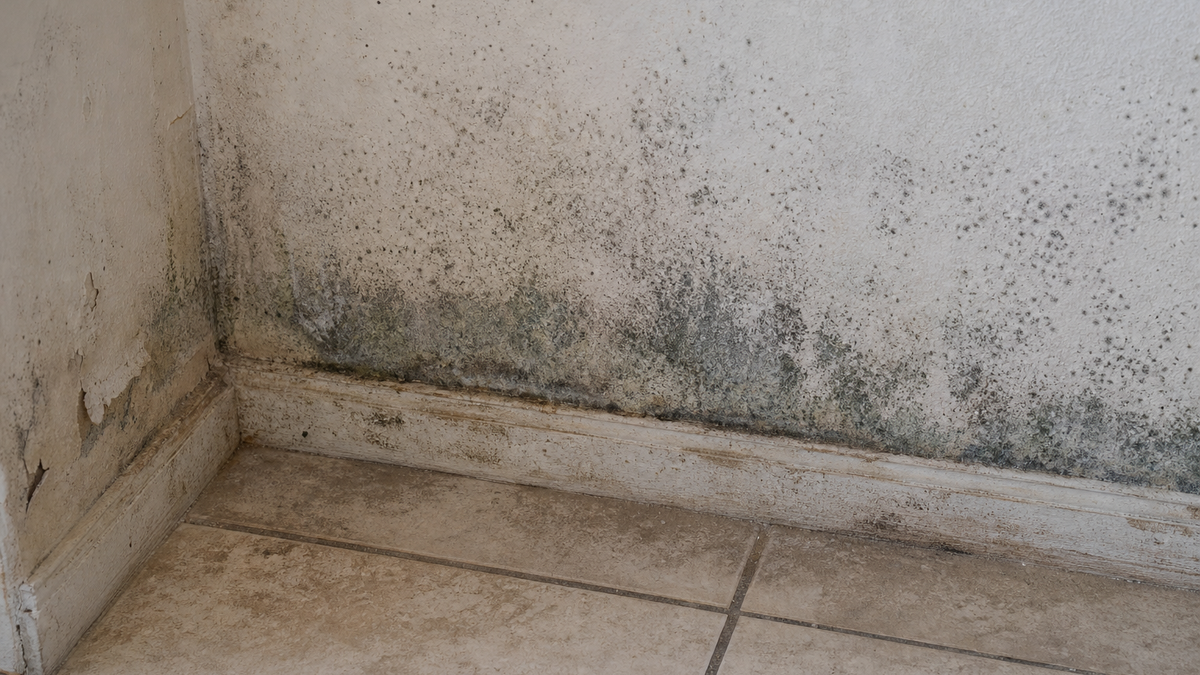
Swamp cooler season introduces organic dust and water into attic-mounted equipment—inspectors must evaluate whether odor is mold or mineral buildup. Monsoon-driven leaks may dry visibly on stucco while insulation stays wet for weeks; moisture mapping catches that discrepancy.
Slab-on-grade homes in Marana and Rita Ranch often show edge wicking from over-irrigation; inspection reports recommend landscaping changes alongside any indoor remediation.
After the Report
You receive a written report with photos, moisture log, sampling locations, lab results, and prioritized recommendations. If remediation is needed, the report becomes the scope document for drying and antimicrobial treatment contractors.
Insurance claim assistance teams use our reports to demonstrate sudden vs. long-term loss characteristics when filing water and mold claims.
Sampling Methods Explained
Spore trap cassettes pull air at calibrated flow rates for three to ten minutes depending on particle loading. Outdoor control samples capture baseline desert spore populations that vary seasonally—monsoon increases outdoor molds too, so interpretation compares indoor rooms to same-day exterior air. Tape lifts capture visible growth species on drywall or sheathing; swabs suit small active growth on window sills and HVAC registers.
Wall cavity sampling through small probes helps when moisture meters show wet framing without surface mold yet. We do not over-sample to inflate lab bills—each sample answers a specific question about scope, clearance, or health concern raised by occupants in Tucson homes from Rita Ranch to Flowing Wells.
Inspection Limitations & Access Issues
Inspectors cannot see inside sealed wall cavities without invasive probes or thermal hints. Extremely hot attics in July may limit time for thorough sheathing review—we schedule early-morning attic entries when possible. Crawl spaces with low clearance, rodent debris, or abandoned asbestos-era materials may require remediation prep before full inspection access is safe.
We document inaccessible areas explicitly so buyers and insurers understand uncertainty. Follow-up inspection after water extraction and demo often reveals conditions hidden before invasive access—sequencing inspection and remediation reduces guesswork and change orders.
Cost vs. Value of Professional Testing
Inspection fees are small compared to unnecessary whole-home remediation driven by fear. Conversely, skipping testing on large hidden losses can leave colonies active after cosmetic repair. Testing before buying a Catalina Foothills home with musty HVAC air can renegotiate price or require seller remediation before closing—saving tens of thousands when problems are systemic.
Landlords testing after tenant complaints demonstrate good-faith response that reduces liability even when results show elevated spores requiring professional remediation. Employers in office suites document IAQ for HR files when multiple staff report headaches in one wing served by a shared rooftop unit.
Seasonal Inspection Patterns in Tucson
Monsoon season drives emergency inspections for ceiling stains and attic moisture. October through March sees vacant-home assessments when snowbirds arrive in Oro Valley and discover closet mold from summer leaks. Spring AC startup reveals condensate issues before cooling peak—proactive inspection catches drain pan algae before overflow floods ceilings.
Wildfire smoke season prompts particulate questions separate from mold— we clarify which tests answer which concerns. Haboob dust loading in filters can smell musty without mold growth; particle counts and HVAC inspection distinguish dust from microbial contamination requiring mold removal.
Local Expertise for Mold Inspection in Tucson
From Catalina Foothills and Oro Valley to Marana, Rita Ranch, Green Valley, and central Tucson barrios, Pima County homes combine stucco exteriors, slab foundations, evaporative coolers, and long cooling seasons that stress plumbing and roofing. Monsoon microbursts, AC condensate overflows, and vacant snowbird properties closed through humid summer weeks create moisture problems despite desert reputation for dryness. Mold Inspection in this environment requires contractors who understand adobe additions, foam flat roofs, rooftop package HVAC, and hard-water scale attacking copper lines—not generic national playbooks written for humid coastal climates.
We dispatch from greater Tucson with equipment sized for ranch homes, hillside multi-level builds, and commercial tenant spaces along Oracle, Grant, and Broadway corridors. Response targets 60–90 minutes for emergencies when crew capacity allows during monsoon surges affecting entire neighborhoods simultaneously.
Desert humidity swings and hard-water plumbing mean the same home can suffer AC condensate floods in August and pipe pinholes in January—we plan mitigation for year-round failure modes, not single-season shortcuts.
Standards, Documentation & Next Steps
Our work aligns with IICRC S500 water restoration and S520 mold remediation standards recognized by insurers, industrial hygienists, and property managers statewide. Daily moisture documentation, HEPA filtration, and correct water category handling separate professional mitigation from consumer fans-and-bleach attempts that spread contamination or leave wet cavities mold-ready within 72 hours. Whether you need insurance documentation, third-party clearance, or fast occupancy restoration, our process produces records adjusters and buyers recognize.
Call (520) 462-0491 for a free visual assessment and plain-language scope. We coordinate with extraction, drying, remediation, and air testing as your loss requires—one coordinated team across Pima County rather than conflicting vendors leaving gaps where mold and odor return next season.
Every job receives photo documentation, moisture readings where applicable, and written recommendations for preventing repeat damage—whether you are a homeowner in Sahuarita, a landlord near UA, or a facility manager overseeing multiple Pima County locations.
When to Order Mold Testing
Suspect hidden mold? Testing before demolition saves money and documents conditions properly.
Unexplained Musty Smell
Odor without visible mold often means growth inside walls, under carpet pad, or on attic sheathing.
Health Symptoms Indoors Only
Respiratory irritation that clears outdoors warrants air sampling and HVAC evaluation.
Real Estate Due Diligence
Pending purchases in older Tucson neighborhoods benefit from pre-closing mold and moisture assessment.
Post-Water Event Uncertainty
If DIY fans were used without dehumidification, inspection confirms whether hidden mold developed.
Tenant or Employee Complaints
Documented inspection protects landlords and employers with objective spore data.
Remediation Clearance Needed
Third-party verification after cleanup satisfies insurers and sensitive occupants.
How Mold Inspection Works
Objective data first—so every dollar spent on remediation targets real problems.
Client Interview & Site Walk
We document history of leaks, HVAC issues, health concerns, and inspection goals.
Moisture & Thermal Survey
Instruments map wet materials and prioritize sampling locations.
Air & Surface Sampling
Samples collected per industry practice and shipped to accredited labs.
Report & Consultation
Written findings with photos, lab data, and remediation or monitoring recommendations.
What Inspections Commonly Uncover
Testing answers what you cannot see—especially in stucco and adobe construction.
Undocumented Past Leaks
Prior owners may have painted over water stains without fixing substrate moisture.
HVAC Moisture Issues
Condensate and humidifier problems distribute spores room to room.
Attic Ventilation Gaps
Hot Tucson attics with blocked soffits trap humid air against sheathing.
Foundation & Landscape Water
Negative grade toward adobe stem walls keeps interiors chronically damp.
Vacant Property Humidity Swings
Closed-up winter homes in the Foothills develop condensation when AC is off.
Trusted Mold Inspectors in Pima County
We help Tucson owners make informed decisions with lab-backed evidence.
Independent Assessment
Inspection reports stand alone without tied-in sales pressure for unnecessary work.
Advanced Instruments
Thermal imaging and calibrated moisture meters reveal desert-home leak patterns.
Accredited Laboratories
Chain-of-custody sampling accepted by insurers and industrial hygienists.
Actionable Reporting
Clear next steps—from monitor-only to full remediation scope—for every budget.
Mold Inspection FAQs
What to expect when scheduling testing in Tucson.
Cost depends on square footage, number of samples, and whether thermal imaging is needed. We quote after a brief phone consult about your situation.
Most spore trap and surface samples return within three to five business days; rush options may be available.
Petri dish kits lack outdoor baseline comparison and professional sampling technique—they often overstate problems or miss hidden growth.
Yes, when safely accessible. Attic mold is common after cooler leaks; we coordinate with attic remediation specialists when access is limited.
We can, but inspection and remediation are scoped separately so you maintain transparency for real estate and insurance purposes.
Mold Inspection Throughout Greater Tucson
Inspectors available for homes, rentals, and commercial buildings county-wide.
We inspect properties from downtown historic districts to new builds in Marana. Monsoon season increases call volume for ceiling stain investigations; winter snowbird arrivals drive vacant-home assessments in Oro Valley.
Reports meet expectations of Pima County buyers, sellers, and property managers who need defensible documentation—not opinions.
Restoration Guides Related to Mold Inspection
Homeowners researching mold inspection in Tucson often need clear timelines, prevention steps, and insurance context. These guides complement our on-site IICRC-aligned work across Pima County.
Explore Our Tucson Restoration Resources
Browse services, local service areas, expert guides, and FAQ answers — organized to help homeowners, landlords, and property managers find the right next step fast.
Located in the Heart of Tucson
Our 5578 S Houghton Rd, Tucson, AZ 85747, USA base lets us reach Catalina Foothills, Oro Valley, Marana, and neighborhoods across Pima County quickly — day or night during monsoon season and every day of the year.