Quick answer: Post-remediation verification combines visual inspection confirming contaminated materials were removed and moisture corrected, optional air and surface sampling comparing indoor spore counts to outdoor baseline, and moisture meter confirmation framing is dry before rebuild. Clearance protects occupants and supports insurance and real estate disclosure requirements.
Why Clearance Exists After Remediation
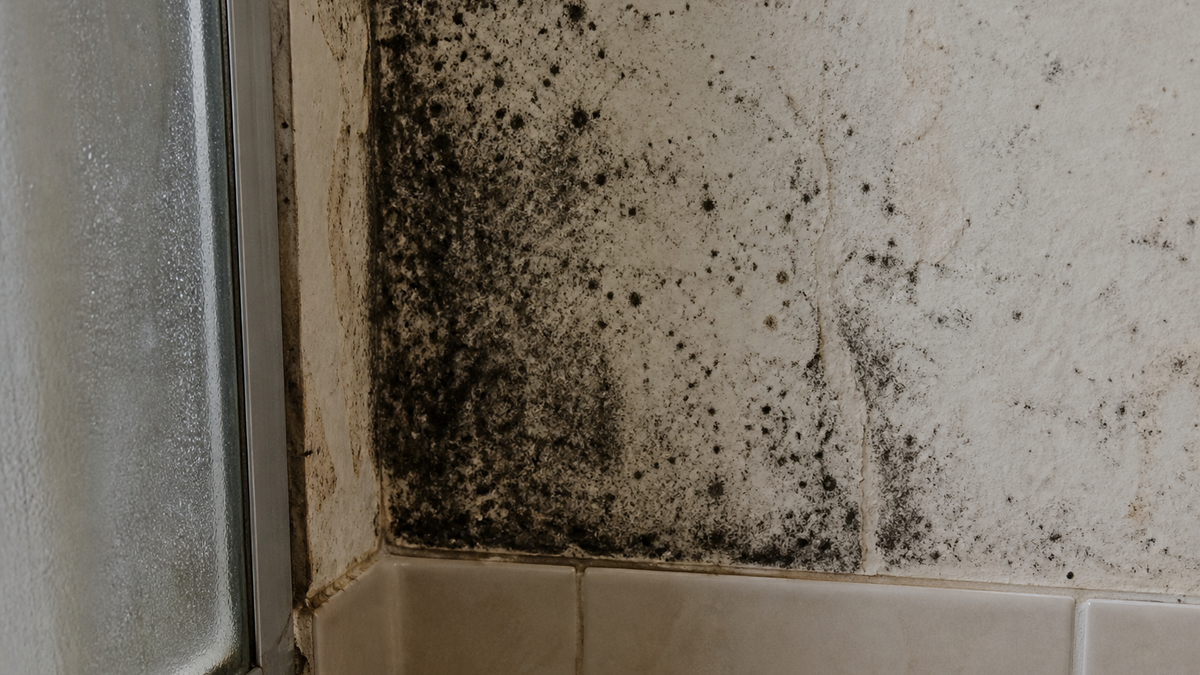
Remediation removes visible mold and fixes moisture—but occupants and third parties need confirmation work succeeded before reoccupying sensitive spaces or closing insurance files. Verification distinguishes professional remediation from cosmetic cover-up that leaves hidden colonization behind new paint.
Landlords, HOAs, schools, and medical offices in Pima County increasingly require documented clearance before tenants return. Real estate disclosures for prior mold events are stronger when independent verification reports accompany remediation invoices.
Health-sensitive occupants—asthmatic children, immunocompromised adults, elderly retirees in Green Valley—benefit from objective data that spore counts normalized relative to outdoor baseline, not just contractor assurances that smell improved.
Insurance carriers may withhold final payment or mold remediation sublimits until clearance documentation submitted on larger claims. Understanding verification requirements at claim opening prevents payment delays at project end.
Real estate agents request clearance before listing homes with prior mold disclosure—buyer lenders sometimes require documentation for FHA and VA loans when seller disclosure mentions remediation within past five years on Tucson residential transactions in competitive market conditions.
Tucson restoration professionals serving Oro Valley, Marana, Green Valley, and central Pima County apply these principles daily on why clearance exists after remediation scenarios—local field experience matters as much as national IICRC standards when desert construction behaves differently from humid-climate textbooks.
Visual Inspection and Moisture Verification
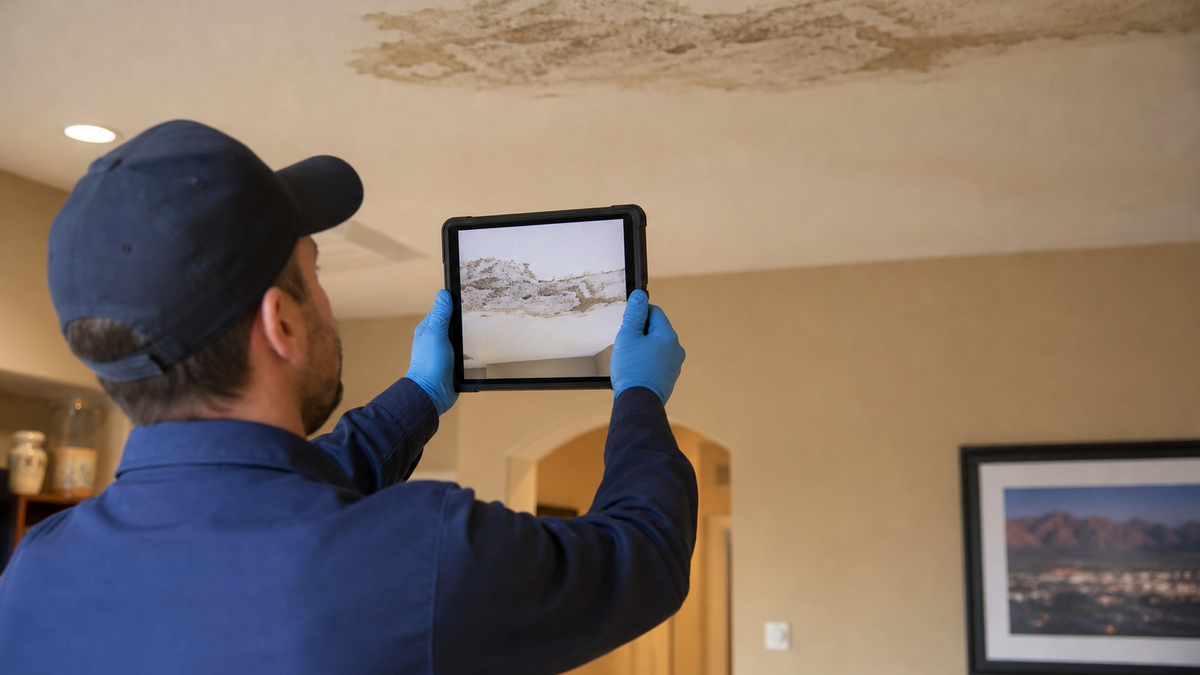
Clearance begins with visual inspection of remediated areas confirming all contaminated porous materials were removed, exposed framing is clean without visible mold, and dust from HEPA cleaning was completed before containment came down.
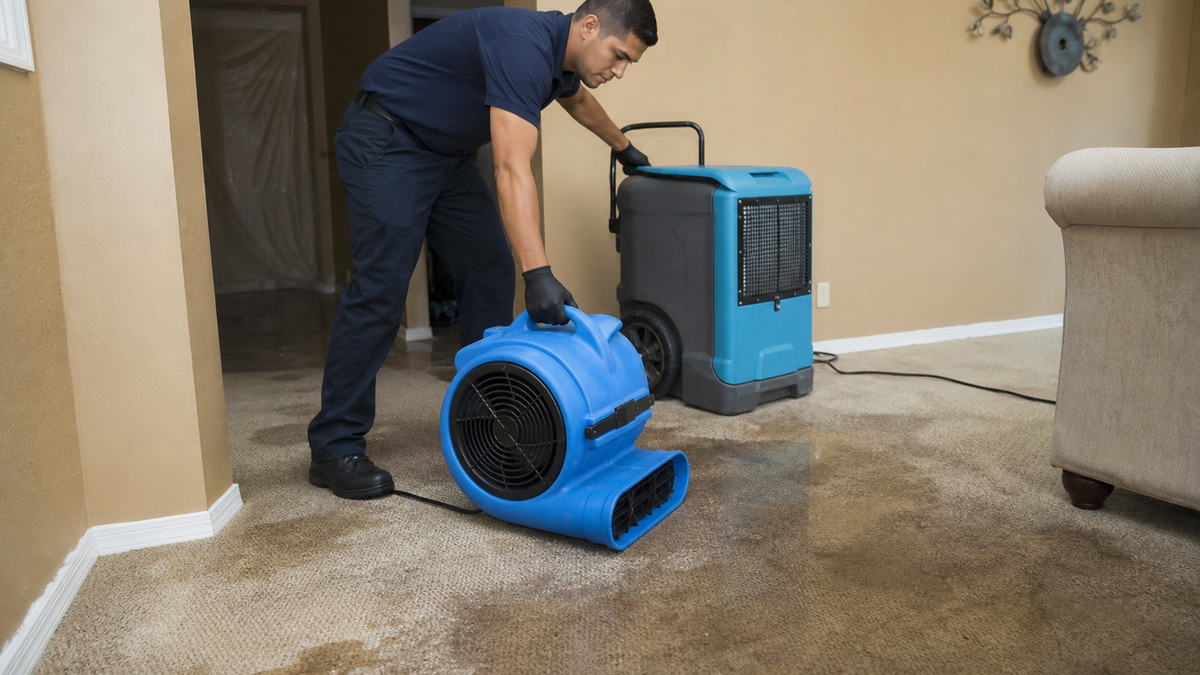
Structural drying verification with moisture meters confirms wood framing meets dry standard before rebuild and clearance sampling. Sampling over wet framing is meaningless—moisture correction precedes air testing always.
Containment should remain intact until visual pass completes. Premature barrier removal spreads residual dust into clean areas and invalidates subsequent air sampling meant to represent remediated zone conditions accurately.
Remediator cannot always verify own work independently—conflict of interest concerns drive insurers and landlords to require third-party hygienist inspection on large commercial and residential losses across Tucson metro.
Flashlight inspection of remediated framing at oblique angles reveals residual mold better than head-on views—clearance inspectors angle light across sheathing and studs to catch faint hyphae missed under direct overhead attic lighting during hurried visual passes by untrained eyes.
Tucson restoration professionals serving Oro Valley, Marana, Green Valley, and central Pima County apply these principles daily on visual inspection and moisture verification scenarios—local field experience matters as much as national IICRC standards when desert construction behaves differently from humid-climate textbooks.
Air Sampling Methods and Interpretation
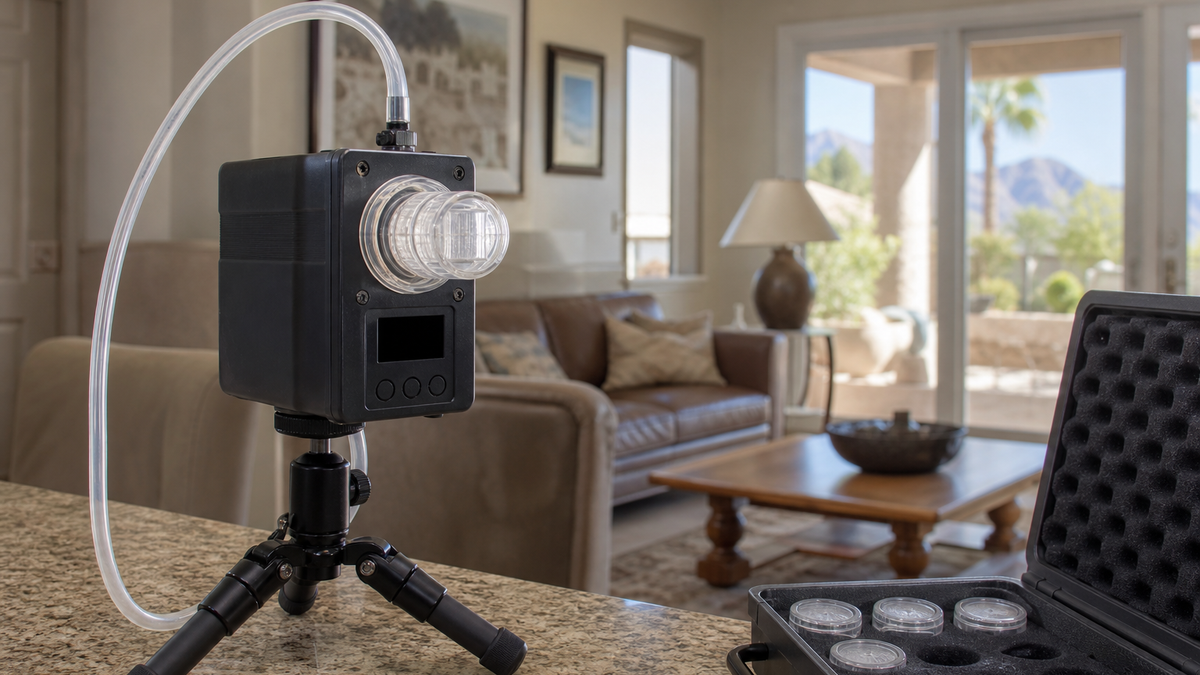
Indoor air quality testing for clearance typically uses spore trap cassettes running inside contained work zone and sometimes adjacent clean areas, compared to outdoor baseline sample taken same day under similar weather conditions.
Interpretation compares genus and species concentrations and indicators—not single numbers in isolation. Elevated indoor counts versus outdoor suggest ongoing source; comparable or lower indoor levels with no indicator species support clearance pass when visual inspection also passes.
One-hour samples capture snapshot—not long-term guarantee. Sampling conditions should represent normal occupancy: HVAC operating as it will post-reoccupancy, windows closed, containment removed after visual clean but before furniture returns.
Rain and haboob dust events affect outdoor baseline—sampling during extreme outdoor spore events requires experienced interpretation. Tucson spring wind storms can elevate outdoor baselines temporarily without indicating remediation failure indoors.
Vacuuming and housekeeping before clearance sampling reduces ambient dust spores—contractor HEPA cleaning should complete 24 hours before sample unless protocol specifies otherwise; heavy homeowner vacuuming morning of sample without HEPA disturbs settled spores and may fail otherwise passing projects.
Tucson restoration professionals serving Oro Valley, Marana, Green Valley, and central Pima County apply these principles daily on air sampling methods and interpretation scenarios—local field experience matters as much as national IICRC standards when desert construction behaves differently from humid-climate textbooks.
Surface Sampling and ATP Testing
Tape lifts and swabs on remediated framing confirm no visible residual growth on surfaces before encapsulation or drywall install. Useful when visual inspection is ambiguous on stained but cleaned wood members.
ATP bioluminescence meters detect organic residue on cleaned surfaces—sometimes used on Category 3 water losses and commercial kitchens for bacterial load screening distinct from fungal spore air sampling. Not mold-specific but supports sanitation verification.
Surface samples should not be sole clearance criterion when air sampling is specified in contract—both answer different questions about remaining contamination and airborne distribution potential after disturbance during remediation.
Failed surface samples trigger re-cleaning or additional removal before rebuild—not air sampling alone. Fixing surface contamination is cheaper before drywall closes cavities permanently over questionable framing conditions.
Encapsulant coatings on framing after remediation require manufacturer compatibility with planned finish systems—clearance inspector confirms encapsulant used only when specified and applied per label, not as substitute for physical removal on contaminated drywall previously occupying same wall plane.
Tucson restoration professionals serving Oro Valley, Marana, Green Valley, and central Pima County apply these principles daily on surface sampling and atp testing scenarios—local field experience matters as much as national IICRC standards when desert construction behaves differently from humid-climate textbooks.
Need Clearance After Remediation?
We coordinate post-remediation verification with independent sampling when required—documentation landlords, buyers, and Pima County adjusters accept.
Call NowWho Performs Verification and Independence
IICRC S520 recommends independent third-party assessment when specified by contract, insurance, or occupancy sensitivity—not the remediator who performed work. Independence reduces conflict of interest and strengthens credibility with adjusters and buyers.
Mold inspection companies with hygienist credentials perform pre and post remediation sampling. Remediation contractors coordinate access and maintain containment until clearance pass—collaboration without same-party testing on disputed claims.
Homeowners may waive independent clearance on small losses when health-sensitive occupants are not involved—document waiver in writing. Larger black mold remediation scopes rarely waive clearance when insurance sublimits approach verification thresholds.
Ask who pays for failed re-sampling and re-cleaning before signing remediation contracts—industry practice varies. Clarify whether one failed sample triggers automatic re-scope at contractor expense or homeowner out-of-pocket.
Conflict of interest policies on commercial leases may name specific environmental firms—verify lease-specified clearance vendor before hiring remediator-recommended inspector not on approved vendor list when Tucson office park property manager enforces tenant improvement protocols strictly.
Tucson restoration professionals serving Oro Valley, Marana, Green Valley, and central Pima County apply these principles daily on who performs verification and independence scenarios—local field experience matters as much as national IICRC standards when desert construction behaves differently from humid-climate textbooks.
Pass, Fail, and What Happens Next
Pass: visual clean, moisture dry, air samples comparable to baseline without indicator elevation—occupants re-enter, rebuild proceeds, insurance finalizes payment, clearance report filed with property records for future disclosure.
Fail: elevated indicator spores, visible residual mold, or elevated moisture—contain area again, identify missed source or incomplete removal, re-clean or expand demolition scope, re-dry if needed, re-sample after corrective action.
Failed clearance often reveals missed cavity mold, ongoing leak not corrected, or inadequate HEPA cleaning—not laboratory error. Remediation contractor returns to corrective scope before charging additional sampling fees in reputable practice.
Do not rebuild over failed framing moisture or visual mold to save time—future buyers, inspectors, and occupants discover trapped problems that cost multiples of delayed clearance patience.
Conditional pass with minor re-cleaning avoids full re-sample delay when hygienist identifies isolated dust on non-structural surfaces—distinguish cosmetic re-clean from failed clearance requiring expanded remediation when indicator spores remain elevated after source removal supposedly complete.
Tucson restoration professionals serving Oro Valley, Marana, Green Valley, and central Pima County apply these principles daily on pass, fail, and what happens next scenarios—local field experience matters as much as national IICRC standards when desert construction behaves differently from humid-climate textbooks.
Insurance and Landlord Clearance Requirements
Some carriers require clearance for mold remediation payment release above threshold amounts. Submit clearance report with final invoice—claim assistance teams track verification requirements at claim intake to avoid end-of-project surprises.
Arizona residential landlords returning tenants after mold remediation should retain clearance documentation for habitability defense. Tenant attorneys request records when health complaints follow insufficient post-remediation reoccupancy timing.
Commercial leases often specify IICRC standards and independent verification before reopening tenant spaces on Oracle Road retail and medical suites—plan verification cost and timeline in business interruption projections.
Real estate transactions involving prior mold may require clearance report dated within twelve months—sellers proactive about verification reduce buyer inspection renegotiation during Tucson competitive housing periods.
Tenant security deposit disputes after mold remediation require sharing clearance with tenant—landlord retention of clearance report without copy to tenant extends dispute timeline when tenant claims uninhabitable conditions persisted after contractor declared project complete without independent verification.
Tucson restoration professionals serving Oro Valley, Marana, Green Valley, and central Pima County apply these principles daily on insurance and landlord clearance requirements scenarios—local field experience matters as much as national IICRC standards when desert construction behaves differently from humid-climate textbooks.
After Clearance: Rebuild and Prevention
Replace HVAC filters, clean return grilles, and verify condensate drains and cooler pans before restarting systems that recirculate air through remediated zones. Mechanical sources caused many Tucson mold events—clearance without source fix guarantees recurrence.
Rebuild with moisture-resistant materials where appropriate— cement board in wet areas, mold-resistant drywall in high-risk closets—not as substitute for fixing leaks but as sensible layer after verified clearance.
Maintain humidity control and schedule annual inspections on known problem systems: AC drains, cooler pans, roof scuppers. Clearance certifies conditions at a point in time—not perpetual immunity from future monsoon or plumbing failures.
Retain clearance report, remediation invoice, moisture logs, and source repair receipts in permanent property file. Disclosure requirements and warranty claims years later depend on documentation you keep today after successful verification pass.
Warranty on remediation workmanship varies by contractor—one-year revisit for musty odor recurrence in remediated zone should be documented in writing when contract signed, especially on chronic condensate and cooler leak sources requiring ongoing HVAC maintenance beyond remediation completion date.
Tucson restoration professionals serving Oro Valley, Marana, Green Valley, and central Pima County apply these principles daily on after clearance: rebuild and prevention scenarios—local field experience matters as much as national IICRC standards when desert construction behaves differently from humid-climate textbooks.
Occupational health consultants for commercial tenants may specify clearance criteria stricter than residential IICRC visual pass—Oracle Road medical suites sometimes require zero indicator species in air sample regardless of outdoor baseline comparison, extending sampling and re-clean cycles before tenant build-out resumes.
Buyer home inspections flag prior mold without clearance paperwork—sellers who provide clearance report, remediation invoice, and source repair receipts close Tucson listings faster when disclosure questions arise on stucco ranch homes with HVAC closet staining history.
Frequently Asked Questions
The Bottom Line
Post-remediation verification closes the loop on mold projects with visual inspection, moisture confirmation, and optional independent air sampling—not guesswork from improved smell alone. Tucson landlords, insurers, and sensitive occupants increasingly demand documented clearance before reoccupying remediated spaces.
Pass requires dry framing, removed contamination, and spore counts sensible relative to outdoor baseline. Fail triggers corrective work before rebuild—never drywall over problems clearance would have caught for a few hundred dollars in testing fees.
Plan verification at project start, fix moisture sources permanently, and retain clearance reports for insurance and real estate disclosure. Remediation without verification is incomplete when health, liability, or payment release depends on proof—not promises.
Independent third-party clearance is especially valuable for Tucson rental properties and real estate transactions where buyers request spore data before closing. A signed clearance letter paired with indoor air quality testing prevents disputes months after move-in.