Quick answer: Prevent mold after water damage by extracting standing water within hours, running commercial dehumidifiers and air movers until framing hits dry standard, removing wet porous materials that cannot dry in place, and fixing the moisture source. In Tucson, wall cavities and attic insulation require moisture meters—not guesswork.
Mold Prevention Starts With Water Removal
Mold prevention after water damage is fundamentally a drying problem. Spores are already present at background levels in every Tucson home—they need sustained moisture on organic material to colonize. Remove the water quickly and thoroughly, and mold cannot establish even during humid monsoon weeks.
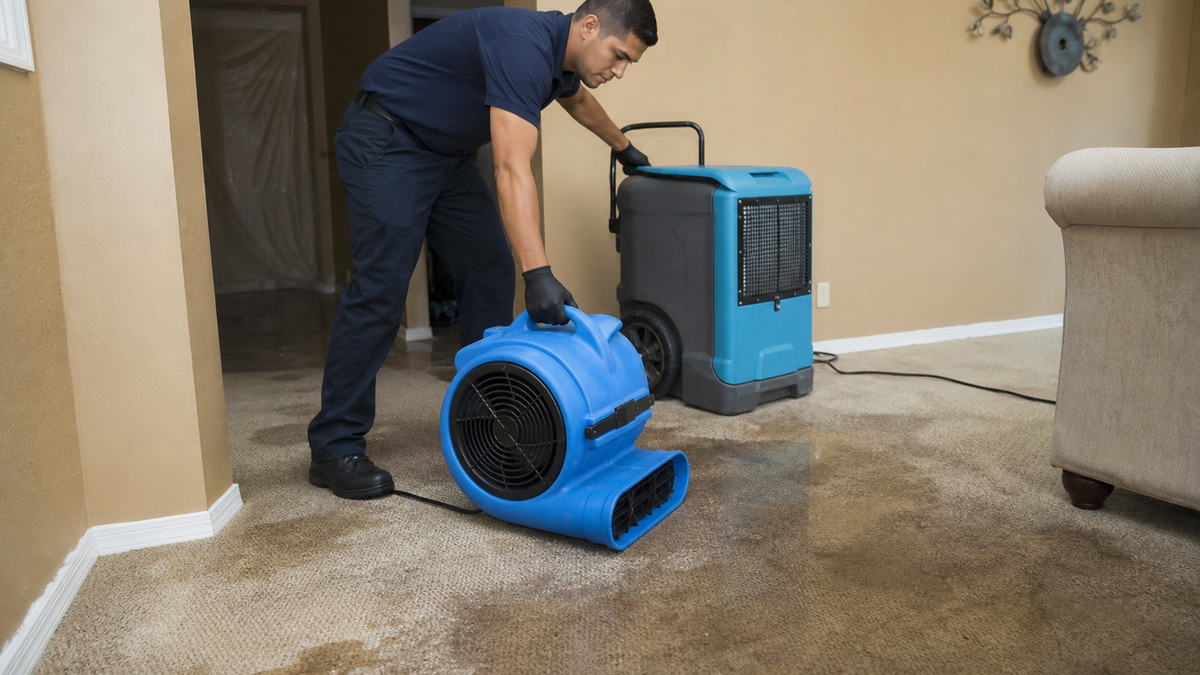
Professional water extraction removes gallons that towels, mops, and consumer shop vacs leave in carpet backing and grout lines. Truck-mounted units pull water from pad and subfloor while technicians map migration with moisture meters. Skipping extraction and jumping straight to fans leaves the reservoir that feeds mold for weeks.
The first 24 hours matter most for Category 1 clean-water losses. After that, porous materials that stayed wet often require removal regardless of prevention efforts. Prevention is not optimism—it is measured moisture reduction documented daily until dry standards are met.
Homeowners sometimes focus on visible puddles while ignoring water under baseboards, inside toe kicks, and wicking up drywall. Prevention fails when only the surface dries while cavities stay damp—a pattern common in stucco-over-frame Tucson construction.
Weighted extraction on carpet over pad compresses assembly against slab, releasing water trapped in pad pores—light wand passes alone leave enough reservoir for mold that surface hand-touch tests miss until baseboards darken two weeks later in hallway carpet runs.
Tucson restoration professionals serving Oro Valley, Marana, Green Valley, and central Pima County apply these principles daily on mold prevention starts with water removal scenarios—local field experience matters as much as national IICRC standards when desert construction behaves differently from humid-climate textbooks.
Commercial Drying Equipment Beats Household Fans
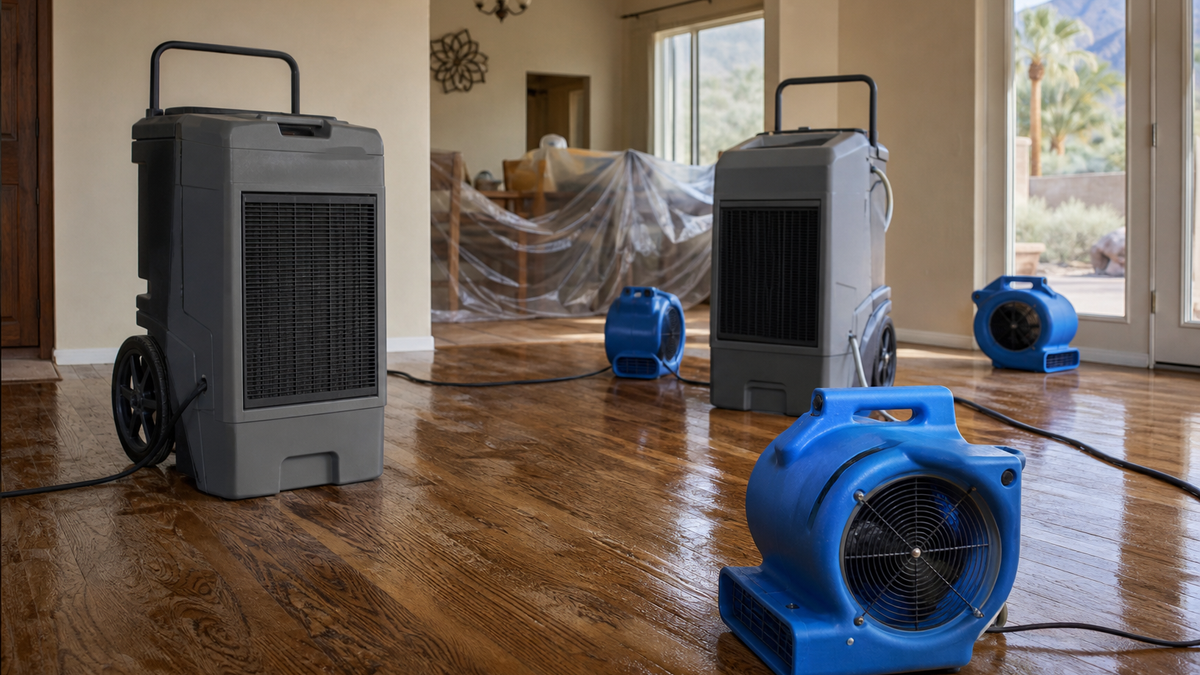
Household fans move air but do not remove moisture from the environment. Structural drying uses low-grain refrigerant or desiccant dehumidifiers sized for the affected cubic footage, plus air movers positioned to create laminar airflow across wet surfaces. Together they pull water from materials into the air, then strip it from the air mechanically.
Equipment counts are calculated from room dimensions, material types, and class of water absorption—not guesswork. A single bathroom leak may need two air movers and one dehumidifier; a saturated living room after monsoon intrusion may need six movers and two large dehumidifiers running continuously for several days.
Technicians reposition equipment daily as moisture readings drop, focusing airflow on remaining wet zones. Turning equipment off too early because carpet feels dry to the touch is the most common prevention failure we correct when mold appears weeks later behind baseboards.
Rental dehumidifiers from big-box stores rarely achieve the grain depression needed for rapid structural drying in Pima County monsoon humidity. Professional units monitor and log performance, providing insurance documentation that drying was adequate—not assumed.
Air mover count drops as dehumidifiers maintain grain depression—technicians remove movers first while maintaining dehumidification until final moisture readings stabilize, not removing all equipment simultaneously when carpet surface feels dry to bare feet.
Tucson restoration professionals serving Oro Valley, Marana, Green Valley, and central Pima County apply these principles daily on commercial drying equipment beats household fans scenarios—local field experience matters as much as national IICRC standards when desert construction behaves differently from humid-climate textbooks.
Know What to Remove vs. What to Dry In Place
Not every wet material can be saved. Carpet pad, swollen MDF baseboards, wet insulation in exterior walls, and drywall that sat wet beyond 48 hours are typically removed rather than dried. Attempting to dry these in place extends mold risk and often costs more than selective demolition upfront.
Solid tile, concrete, and sealed metal studs tolerate drying well when extraction happens quickly. Hardwood floors require specialized drying mats and careful monitoring—warping may still force replacement if subfloor moisture persists on slab foundations common in Rita Ranch and Oro Valley.
Adobe and plaster walls need expert assessment before any demolition. Genuine adobe in Barrio Viejo may dry slowly through earthen mass without cavity access, while furring-strip drywall on adobe can harbor mold on the backside while exterior plaster looks normal.
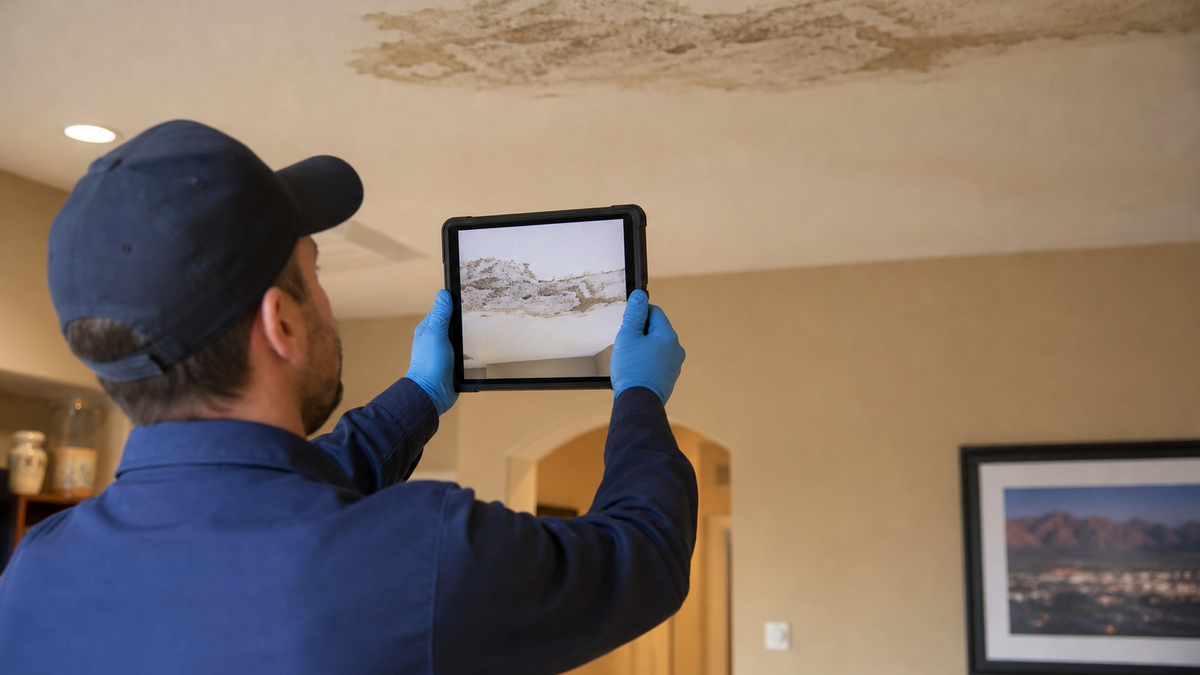
Mold inspection before major demolition helps define removal boundaries so prevention efforts target the right materials. Removing too little leaves a mold reservoir; removing too much drives up claim costs unnecessarily.
Custom cabinet toe kicks in Catalina Foothills kitchens hide wet particleboard for weeks—cabinet specialists must remove toe kicks for inspection after sink supply failures rather than assuming dry exterior toe kick faces mean dry cabinet box material inside.
Tucson restoration professionals serving Oro Valley, Marana, Green Valley, and central Pima County apply these principles daily on know what to remove vs. what to dry in place scenarios—local field experience matters as much as national IICRC standards when desert construction behaves differently from humid-climate textbooks.
Hidden Cavities in Tucson Homes
Stucco exterior walls hide stud bays where water travels horizontally from window flashing failures and cooler distribution leaks. Moisture meters with penetrating probes or thermal imaging cameras reveal wet framing behind apparently dry paint—critical before closing walls with new drywall.
HVAC closets concentrate risk when condensate pans overflow into adjacent drywall. Closet doors stay closed, slowing evaporation while creating a humid microclimate perfect for mold on closet ceilings and shared bedroom walls. Always inspect both sides of closet walls after condensate events.
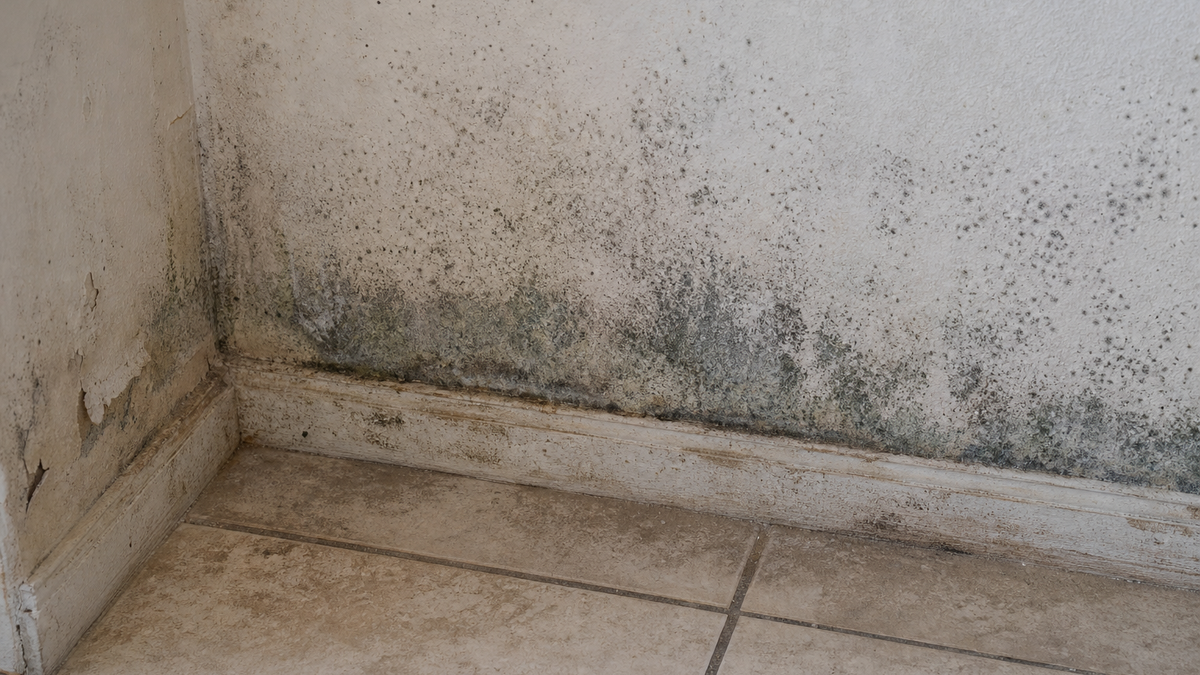
Attics above bedrooms collect cooler overflow and roof leak moisture that condenses on sheathing when night temperatures drop during monsoon season. Insulation hides mold on rafters until odors enter living spaces through ceiling penetrations and light fixtures.
Flood cuts—controlled removal of drywall bottom 12 to 24 inches—expose wet stud bays for drying when water migrated from slab or floor spills. Our water damage restoration crews document flood cut height and drying progress with daily photos for insurance adjusters.
Shared wall between garage and bedroom in typical Tucson ranch plans wicks garage floor spill water into bedroom carpet and closet baseboards—always inspect bedroom side when garage water events occur even when bedroom floor feels dry on initial walk-through.
Tucson restoration professionals serving Oro Valley, Marana, Green Valley, and central Pima County apply these principles daily on hidden cavities in tucson homes scenarios—local field experience matters as much as national IICRC standards when desert construction behaves differently from humid-climate textbooks.
Need Emergency Drying Now?
Our Tucson crews extract, dry, and document moisture daily so mold never gets a foothold. Same-day response across Pima County during monsoon season.
Call NowHumidity Control During and After Drying
Target indoor relative humidity below roughly 50 percent during drying and after completion. Tucson monsoon outdoor humidity can exceed 50 percent for days—closing windows and running AC helps, but active losses need dehumidification beyond normal HVAC capacity until moisture content in materials normalizes.
Bathroom and kitchen exhaust fans must vent outdoors, not into attics. This is one of the most common code violations in older Tucson tract homes and a direct mold contributor after any water event raises ambient humidity.
Do not run central HVAC during active mold remediation without filtration upgrades—it can spread spores room to room. During prevention-phase drying before mold colonizes, HVAC can help if filters are fresh and ductwork was not contaminated by Category 3 water.
Vacant snowbird properties need remote monitoring or trusted neighbors checking equipment during extended drying. Power outages during monsoon storms kill dehumidifiers silently, restarting the mold clock in Green Valley and Sahuarita condos left empty all summer.
Portable dehumidifiers sized for single rooms supplement whole-house AC during drying when affected zone is isolated—whole-house AC alone rarely achieves grain depression targets in closed laundry room drying scenarios during humid July monsoon afternoons.
Tucson restoration professionals serving Oro Valley, Marana, Green Valley, and central Pima County apply these principles daily on humidity control during and after drying scenarios—local field experience matters as much as national IICRC standards when desert construction behaves differently from humid-climate textbooks.
Where Antimicrobials Fit—and Where They Do Not
Antimicrobial treatment on exposed framing after wet material removal can suppress surface growth during extended dry times, but it never replaces extraction or replaces moldy drywall in place. Think of antimicrobials as supplemental—not the prevention strategy itself.
EPA-registered products applied to clean, exposed wood after Category 1 losses may be appropriate when dry times extend due to monsoon humidity. Category 3 sewage losses require different remediation standards where antimicrobials accompany but do not substitute for full porous material removal.
Bleach solutions on porous drywall are not professional antimicrobials—they add moisture, do not penetrate, and create a false sense of security. Homeowners who bleach wet walls and call it prevention often call us for full remediation six weeks later.
Your restoration contractor should explain whether antimicrobial application is warranted for your specific loss. Over-application drives chemical costs without improving outcomes when materials were removed correctly and drying completed promptly.
Carriers sometimes question antimicrobial line items—documentation should tie application to Category 1 framing exposure after removal when extended dry times expected, not apply automatically on every job regardless of moisture conditions and contamination category.
Tucson restoration professionals serving Oro Valley, Marana, Green Valley, and central Pima County apply these principles daily on where antimicrobials fit—and where they do not scenarios—local field experience matters as much as national IICRC standards when desert construction behaves differently from humid-climate textbooks.
Documentation That Protects Prevention Claims
Daily moisture readings, equipment logs, and photo documentation prove drying was performed to professional standards. Pima County adjusters approve prevention-phase mitigation more readily when logs show declining moisture content—not when homeowners claim they ran a fan for two days.
Our insurance claim assistance formats scope notes so prevention efforts are clearly distinguished from mold remediation. Proper documentation at the drying stage prevents carriers from denying later mold claims by arguing mitigation was inadequate or delayed.
Keep your own timeline: when the leak occurred, when you reported the claim, when extraction started, and when equipment was removed. Gaps in that timeline are common reasons carriers dispute mold-related coverage extensions.
If a tenant or property manager handles initial response, ensure they authorize professional drying immediately—not just mopping. Landlords who defer prevention costs often absorb full remediation scopes when mold spreads through multi-unit stucco buildings in South Tucson.
Email daily moisture logs to adjuster even when portal upload fails during regional storm events—timestamped email creates backup timeline record when carrier systems backlog during July microburst clusters affecting hundreds of Pima County claims simultaneously.
Tucson restoration professionals serving Oro Valley, Marana, Green Valley, and central Pima County apply these principles daily on documentation that protects prevention claims scenarios—local field experience matters as much as national IICRC standards when desert construction behaves differently from humid-climate textbooks.
Seasonal Prevention Before the Next Monsoon
After any water event, fix the source permanently: replace failing condensate lines, seal scuppers, install backflow preventers on swamp cooler supply lines, and redirect grading away from slab entries. Prevention without source correction is temporary.
Inspect roof membranes and cooler pads each May before storm season. Clear debris from flat-roof drains on commercial strip centers and residential carports—ponding water during a single microburst can undo all prior prevention in one afternoon.
Prepare an emergency kit: carrier claim number, main water shutoff location, and our contact saved for storm restoration. Fast calls beat fast fans when monsoon rain overwhelms door thresholds at midnight.
Consider moisture alarms under water heaters, HVAC drip pans, and laundry boxes— inexpensive sensors that text your phone when slow leaks start, long before mold has forty-eight hours of fuel in your wall cavities.
Irrigation system leaks against stem walls mimic monsoon sheet flow damage—homeowners should inspect drip line emitters near stucco weekly during summer when landscaping runs overnight and masks slow foundation wetting until mold appears on interior baseboards.
Tucson restoration professionals serving Oro Valley, Marana, Green Valley, and central Pima County apply these principles daily on seasonal prevention before the next monsoon scenarios—local field experience matters as much as national IICRC standards when desert construction behaves differently from humid-climate textbooks.
Frequently Asked Questions
The Bottom Line
Preventing mold after water damage in Tucson is about speed, equipment, and verification—not bleach and hope. Extract water within hours, dry with commercial dehumidifiers until meters prove materials are dry, remove what cannot dry in place, and fix the source before rebuild.
Desert air alone will not dry stucco wall cavities, wet attic insulation, or carpet pad over slab. Monsoon humidity and hidden construction details make professional structural drying the norm for any loss beyond a small spill on tile.
Document everything for insurance and call early. Prevention-phase mitigation is cheaper, faster, and less disruptive than full mold remediation after the forty-eight-hour window closes. Your future self—and your adjuster—will thank you for acting on day one.