Quick answer: Mold can begin colonizing porous materials within 24 to 48 hours after water intrusion when indoor humidity stays elevated. In Tucson, hidden moisture in stucco wall cavities, wet carpet pad, and attic insulation after monsoon leaks often triggers growth even when surfaces feel dry to the touch.
The Mold Clock Starts When Materials Stay Wet
Mold is not instant, but it is patient. The IICRC S520 standard and field experience across Pima County both point to the same window: cellulose-based materials that remain damp for roughly 24 to 48 hours become susceptible to colonization. That includes drywall paper facing, carpet pad, ceiling tile, and the dust layer on attic framing.
Tucson homeowners often assume low desert humidity prevents mold. Outdoor readings below 20 percent do not matter if a laundry supply line soaks baseboards or monsoon rain ponds against a slab-on-grade stem wall. Indoor microclimates behind stucco, inside HVAC closets, and under bathroom vanities can hold relative humidity above 60 percent for days.
The clock starts at first sustained wetting—not when you notice a stain. A slow AC condensate drip into a closet ceiling may run for weeks before visible spotting appears. By then, spores have already established hyphae inside the drywall core. Early water extraction and structural drying reset that clock before demolition becomes necessary.
Speed matters most on porous materials. Sealed tile, metal, and glass can often be wiped and dried without mold risk if addressed quickly. Carpet over concrete slab, wet insulation in block walls, and particleboard cabinets behave differently—they absorb water and release it slowly, extending the danger window across multiple monsoon humidity cycles.
Spore traps in pre-remediation sampling often show elevated counts in homes where owners insisted water dried naturally within three days—meter readings of drywall core moisture tell the truth surface touch cannot in stucco-over-frame Tucson construction.
Why Tucson Construction Changes the Timeline
Sonoran Desert homes are not built like coastal properties. Stucco-over-frame walls create cavities where water travels horizontally along bottom plates while exterior surfaces look untouched. Adobe and plaster additions in Barrio Viejo and South Tucson wick moisture inward through earthen mass, delaying discovery until musty odors appear in adjacent rooms.
Flat and foam roofs common across Oro Valley and Marana subdivisions pond water when scuppers clog during microbursts. Water enters through failed flashing and saturates ceiling insulation before it drips into living spaces. Attic mold can be well established before the first brown spot appears on a bedroom ceiling.
Slab-on-grade foundations dominate Tucson metro construction from the 1960s forward. When supply lines pinhole or monsoon sheet flow pools against garage entries, water wicks into drywall and baseboards from below. Surface fans pointed at visible wet spots cannot dry what is trapped against the slab edge.
Evaporative cooler overflow and abandoned cooler roof penetrations add another variable. A swamp cooler pad that stays wet through humid monsoon weeks keeps attic framing above the mold threshold even without a catastrophic leak. Homes in Drexel Heights and Flowing Wells with original rooftop coolers see this pattern every summer.
Casas Adobes and Catalina Foothills hillside homes add complexity when water travels downhill through wall cavities from upper-level bathroom leaks into lower-level bedrooms—multi-story moisture migration extends the effective mold clock on lower floors even after upper source stops.
Hour-by-Hour: What Happens After a Water Event
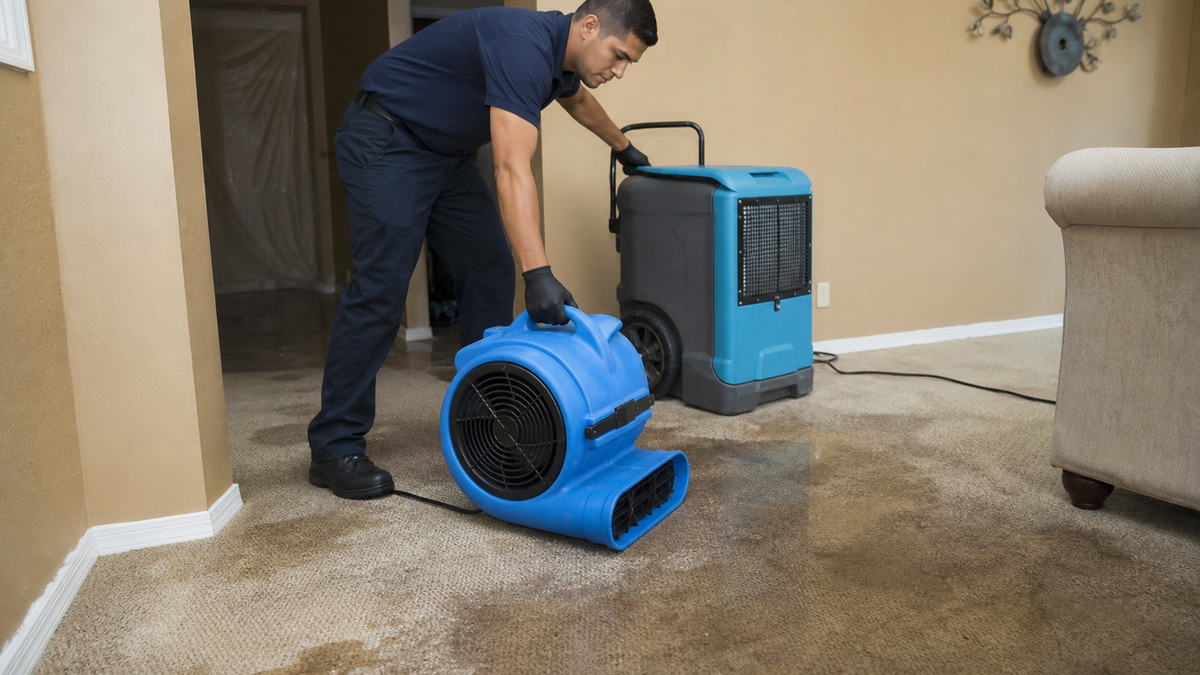
In the first few hours after a Category 1 clean-water loss, the priority is stopping the source and removing standing water. Truck-mounted extractors pull gallons from carpet and hard surfaces that towels and shop vacs leave behind. Moisture meters map how far water traveled into wall cavities—critical before anyone assumes the job is done.
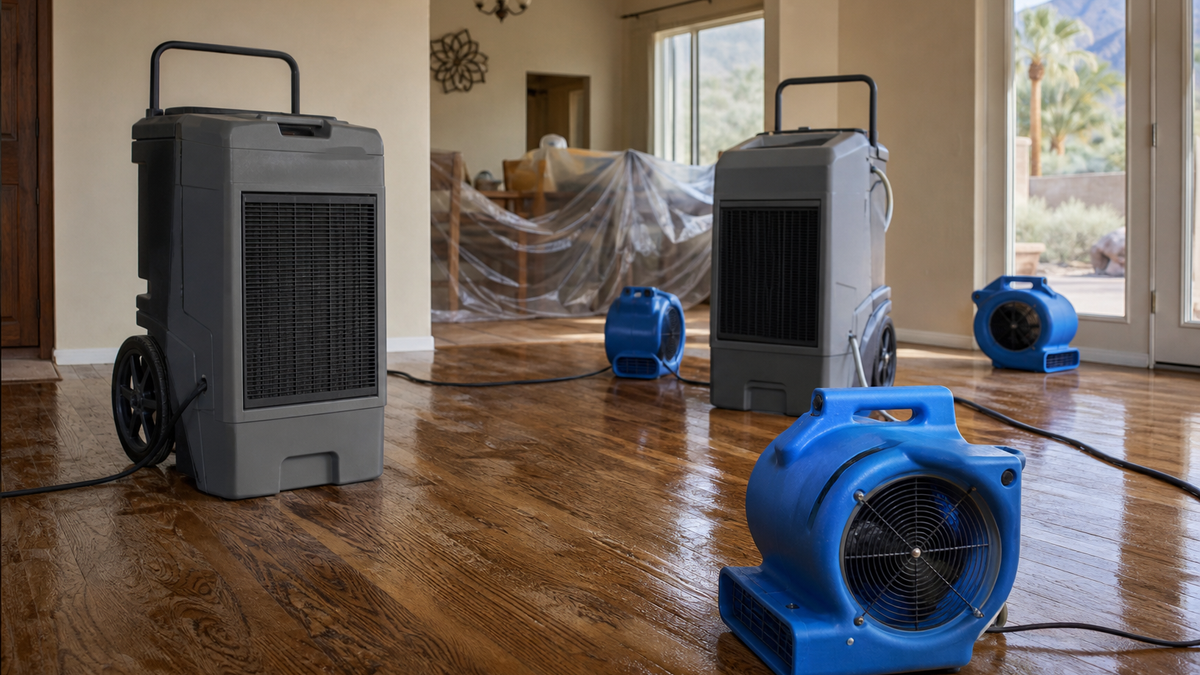
Between 12 and 24 hours, wicking continues upward into drywall and into cabinet toe kicks. If commercial dehumidifiers and air movers are not running, humidity in closed rooms climbs overnight when AC cycles off. Musty odors may not be present yet, but spores landing on wet paper-facing drywall begin germinating.
The 24-to-48-hour mark is where insurance adjusters and IICRC-aligned restorers draw a hard line. Materials that remain above roughly 16 percent moisture content in wood framing or saturated drywall that cannot be dried in place typically require removal. Waiting until visible mold appears turns a drying job into a full mold remediation scope.
Beyond 72 hours without professional intervention, colonization on porous materials is likely in most Tucson homes with trapped moisture. Disturbing wet drywall without containment spreads spores through swamp cooler ductwork and central HVAC returns. That is when mold inspection and testing helps define containment boundaries before demolition.
Insurance carriers timestamp first-notice calls against mitigation invoice start times—gaps exceeding 24 hours between discovery and professional extraction appear in claim review notes when mold remediation line items are later submitted on the same loss.
Warning Signs Mold Has Already Started
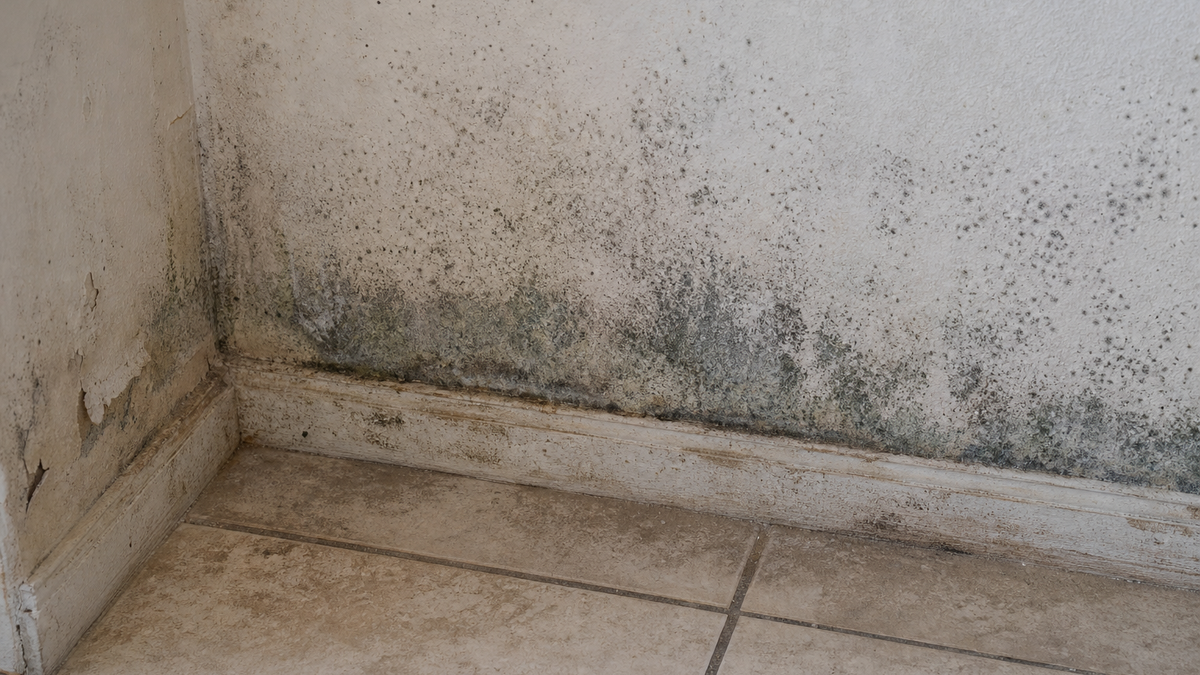
Visible spotting on drywall, grout, or HVAC registers is the obvious signal—but it is rarely the first. Musty odors when you enter a closed guest room, increased allergy symptoms after monsoon season, or darkening along baseboards behind furniture often precede surface growth by days or weeks.
Peeling paint or bubbling texture coat on stucco interiors can indicate prolonged moisture behind the finish. In adobe homes, efflorescence—a white mineral crust on plaster—suggests water is moving through earthen walls and evaporating at the surface. Both conditions warrant moisture mapping before cosmetic repairs.
Soft or swollen baseboards, buckling laminate flooring, and rust on metal corner beads inside closets point to ongoing wetting. If you see any of these after a known water event, assume the 48-hour window has passed and schedule professional assessment rather than repainting over the damage.
Attic inspections reveal mold on sheathing and rafters when roof leaks or cooler overflow went unnoticed. Green Valley snowbird properties closed for summer are especially vulnerable—a small roof leak combined with a shut-off AC system creates a greenhouse effect that accelerates growth across entire attic planes.
Closet mold behind stored boxes along exterior stucco walls appears after monsoon wicking—not active leaks—because stucco exteriors dry while interior drywall stays damp; move storage and inspect baseboards seasonally in rooms with exterior walls facing unshaded afternoon sun.
Water Sitting More Than 24 Hours?
Every hour counts. Our Tucson crews dispatch with extractors and commercial dehumidifiers to stop mold before it spreads through HVAC systems and adobe wall cavities.
Call NowClean Water vs. Contaminated Losses
Not all water damage carries the same mold risk timeline. Category 1 clean water from a broken supply line still triggers mold if materials stay wet, but contamination levels are lower and more materials may be salvageable with fast extraction. Category 2 gray water from appliance overflows introduces nutrients that can accelerate microbial growth.
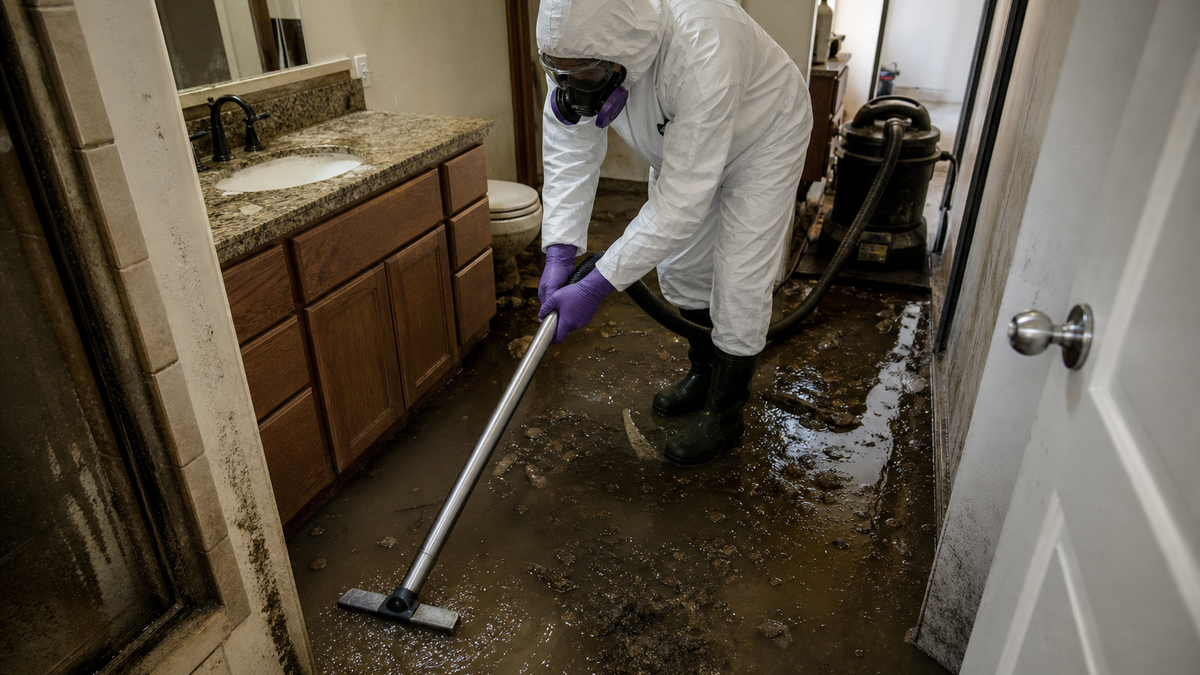
Category 3 black water from sewage backups or monsoon floodwater entering through doorways carries bacteria and organic load that changes both safety protocols and demolition requirements. Porous materials contacting Category 3 water are typically removed regardless of visible mold because contamination—not just fungi—is the hazard.
Monsoon street flooding in low-lying areas like Flowing Wells and Pueblo Gardens often introduces Category 3 water across entire first floors. Even if mold is not visible within 48 hours, IICRC S500 protocols require aggressive cleaning or removal of affected porous materials. Waiting for mold to appear before acting is the wrong metric for contaminated losses.
Insurance documentation differs by category as well. Adjusters serving Pima County expect clear notes on water source, category classification, and drying logs. Our insurance claim assistance team formats daily moisture readings so timeline decisions are defensible if coverage questions arise later.
Category 2 dishwasher overflows in Tucson kitchens become Category 3 faster during monsoon week when homeowners delay mitigation—nutrient-rich gray water plus humid indoor air accelerates microbial amplification beyond the 48-hour escalation threshold in IICRC reference tables.
What Homeowners Should Do in the First 48 Hours
Stop the water source if you can do so safely—shut off the main supply, tarp a roof puncture, or redirect monsoon runoff away from door thresholds. Avoid walking through water that may be contaminated, and keep children and pets out of affected rooms. Do not run household fans on suspected mold; they aerosolize spores.
Call a restoration company that performs extraction and structural drying, not just surface cleanup. Remove wet area rugs and move furniture off damp carpet if safe, but leave heavy extraction and demolition decisions to technicians with moisture meters and IICRC training. Document damage with photos for insurance before items are moved.
Contact your insurance carrier promptly and ask about emergency mitigation coverage. Many Tucson policies cover extraction and drying when reported quickly, even before adjuster inspection. Keep a log of calls, claim numbers, and any temporary repairs you authorize.
Do not assume desert air will dry the house on its own. Opening windows during monsoon season can raise indoor humidity above outdoor levels. Closed-up homes with running AC may dry visible surfaces while wall cavities remain wet—precisely the condition that breeds mold in Tucson tract housing.
Save damaged carpet samples only if adjusters request them—most Pima County carriers rely on photos and moisture logs; wet carpet in garage disposal without documentation is fine when professional inventory lists square footage removed for claim files.
When Professional Response Is Non-Negotiable
Any water loss affecting more than one room, soaking into walls, or originating from an unknown source warrants professional response within hours—not days. The cost of emergency water damage restoration is almost always lower than full mold remediation, drywall replacement, and content cleaning after delayed action.
Homes with elderly residents, infants, or immunocompromised occupants should treat even small visible mold areas seriously. Black mold remediation protocols with containment and HEPA filtration protect air quality during removal—not optional when HVAC systems connect every room.
Rental properties and HOAs across Pima County often require documented drying before rebuild. Property managers expect third-party verification when tenants report leaks. Professional crews provide the moisture logs and photo documentation that satisfy lease obligations and limit landlord liability.
If you are unsure whether 48 hours have passed, treat it as if they have. A same-day moisture inspection costs far less than guessing wrong. Our Tucson team answers 24/7 and can often deploy extractors within 60 to 90 minutes during active monsoon season emergencies.
Free visual assessments from reputable Tucson restorers help homeowners decide between DIY and professional scope before authorizing work—use them when uncertain whether water reached wall cavities in laundry rooms adjacent to slab-on-grade garage entries.
Pima County Emergency Response Standards
Restoration companies serving Tucson metro maintain 24/7 dispatch because monsoon losses and pipe failures cluster between midnight and dawn when supply line pressure spikes and roof drains fail under microburst load. Response time targets of 60 to 90 minutes exist specifically to beat the 48-hour mold colonization window on porous materials—not for marketing convenience.
Crews arriving from Houghton Road and central Pima County bases carry moisture meters, thermal cameras, and extractors pre-loaded so assessment and water removal begin on first visit rather than a return trip after mold appears. That single mobilization difference often separates a drying-only claim from a five-figure remediation scope documented on insurance files.
HOA and property manager clients across Catalina Foothills and Oro Valley require written moisture maps before authorization—professional response includes those deliverables standard, aligning with IICRC S500 documentation expectations Pima County adjusters recognize during regional storm surges when field adjuster visits delay days.
Renters in South Tucson adobe duplexes should notify landlords immediately and document landlord response time—Arizona habitability law ties reasonable mitigation speed to mold prevention obligations when plumbing or roof failures cause wetting in shared wall assemblies between units.
Keep our number with your insurance carrier claim line—calling both within the first hour preserves timeline evidence that mitigation was prompt, a factor carriers weigh heavily when mold remediation coverage is evaluated weeks later on the same claim number.
Frequently Asked Questions
The Bottom Line
Mold after water damage is a timeline problem, not a mystery. The critical window is roughly 24 to 48 hours for porous materials in Tucson homes—from Rita Ranch slabs to Catalina Foothills foam roofs. Once that window closes, extraction alone is rarely enough; controlled demolition, containment, and remediation become the scope.
Desert climate does not pause the clock when water hides inside stucco cavities, attic insulation, or carpet pad. Monsoon flooding, AC condensate failures, and evaporative cooler overflow are the local triggers we see most often across Pima County. Acting fast with professional extraction and structural drying protects both your property and your insurance claim.
If water touched your home today, assume the clock is running. Call for emergency mitigation before visible mold makes the job larger, slower, and more expensive. A dry home on day three beats a remediation project on day thirty—every time.