Quick answer: Category 3 water contains pathogenic agents and gross contamination from sources like sewage, flooding runoff, and long-standing Category 2 water. Porous materials it contacts are typically removed, not dried in place. Professional PPE, containment, and disposal protocols apply under IICRC S500 standards.
The Three IICRC Water Categories
IICRC S500 defines water damage by contamination level at time of loss—not by color alone. Category 1 is clean water from broken supply lines and melting ice. Category 2 is gray water with significant contamination—dishwasher overflows, washing machine discharge, and toilet overflow with urine only.
Category 3 is grossly contaminated water containing pathogens, toxigenic agents, and harmful substances. Sources include sewage, all forms of flooding from ground surface water, wind-driven rain from hurricanes and tropical storms, and Category 2 water left untreated beyond 48 hours.
Categories can escalate: clean Category 1 water that sits on carpet for three days becomes Category 3 through microbial amplification and contamination from soil and dust. Tucson slow leaks hidden in walls often escalate before discovery—category at mitigation start drives the entire scope.
Classification happens at the loss site based on source history and visible contamination—not wishful thinking. Adjusters and hygienists review source documentation when Category 3 scope affects claim totals significantly.
Water category can differ room to room in same house—clean supply line break in kitchen may be Category 1 while simultaneous garage flood from street runoff is Category 3; remediation scope treats each zone per its classification rather than labeling entire property single category.
Tucson restoration professionals serving Oro Valley, Marana, Green Valley, and central Pima County apply these principles daily on the three iicrc water categories scenarios—local field experience matters as much as national IICRC standards when desert construction behaves differently from humid-climate textbooks.
Common Category 3 Sources in Tucson
Sewage backups from main line clogs, toilet overflows with solids, and septic failures are definitive Category 3 events. Older cast iron sewer lines in mid-century Tucson neighborhoods fail during monsoon root intrusion—pushing black water into tubs and floor drains.
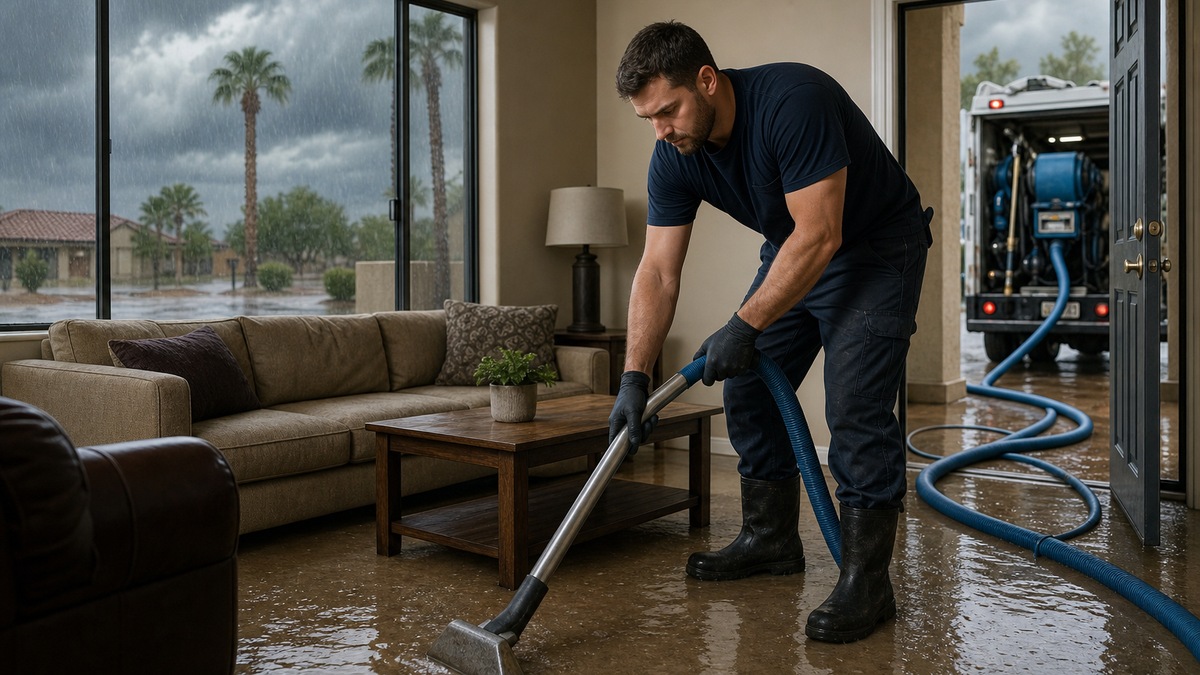
Monsoon street flooding and wash overflow entering through doorways and garage entries is Category 3 because of bacteria, automotive fluids, pesticides, and organic debris in runoff. Clean rainwater alone from a roof breach is Category 1 until it contacts contaminated surfaces or ground.
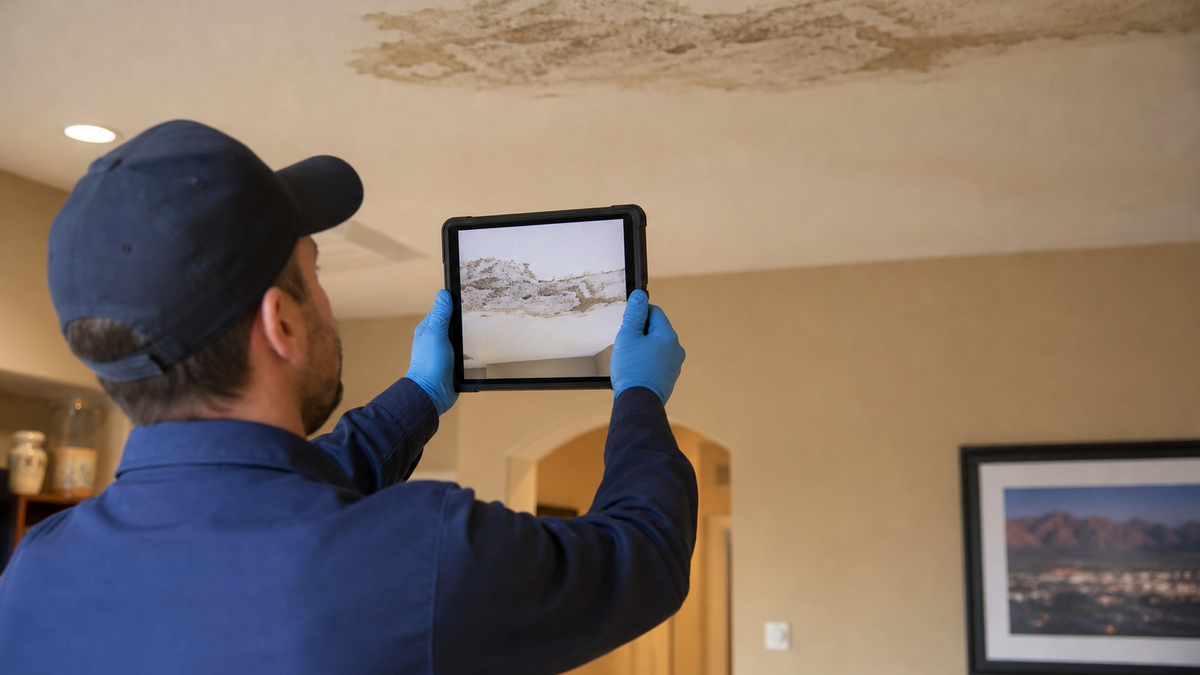
Long-standing water in crawl spaces, abandoned coolers, and vacant snowbird properties escalates to Category 3 through microbial growth and rodent contamination. Green Valley homes closed all summer with a slow roof leak often present as Category 3 when tenants return in October.
Commercial kitchen grease interceptors, medical office drains, and industrial spills add local Category 3 scenarios along Oracle Road and Tucson business corridors—each requiring business-specific disposal and documentation beyond residential protocols.
Irrigation main breaks along HOA common walls in master-planned communities introduce Category 3-equivalent contamination when fertilizer and soil enter wall cavities—treat as contaminated loss when soil and organic matter contact interior porous materials regardless of chlorinated irrigation source.
Tucson restoration professionals serving Oro Valley, Marana, Green Valley, and central Pima County apply these principles daily on common category 3 sources in tucson scenarios—local field experience matters as much as national IICRC standards when desert construction behaves differently from humid-climate textbooks.
Health Risks From Category 3 Exposure
Category 3 water carries bacteria including E. coli, Salmonella, and other pathogens; viruses; and parasites depending on source. Direct contact risks gastrointestinal illness, skin infections, and respiratory irritation when contaminated material dries and becomes aerosolized during improper cleanup.
Immunocompromised individuals, children, and elderly residents should never remain in Category 3 affected areas during active cleanup. Temporary relocation is common during whole-bathroom sewage losses in dense South Tucson duplexes where shared walls spread contamination.
Mold following Category 3 water is secondary but serious—removal of porous materials limits fungal growth substrates, but HEPA filtration during demolition still matters when spores and bacteria become airborne together during removal.
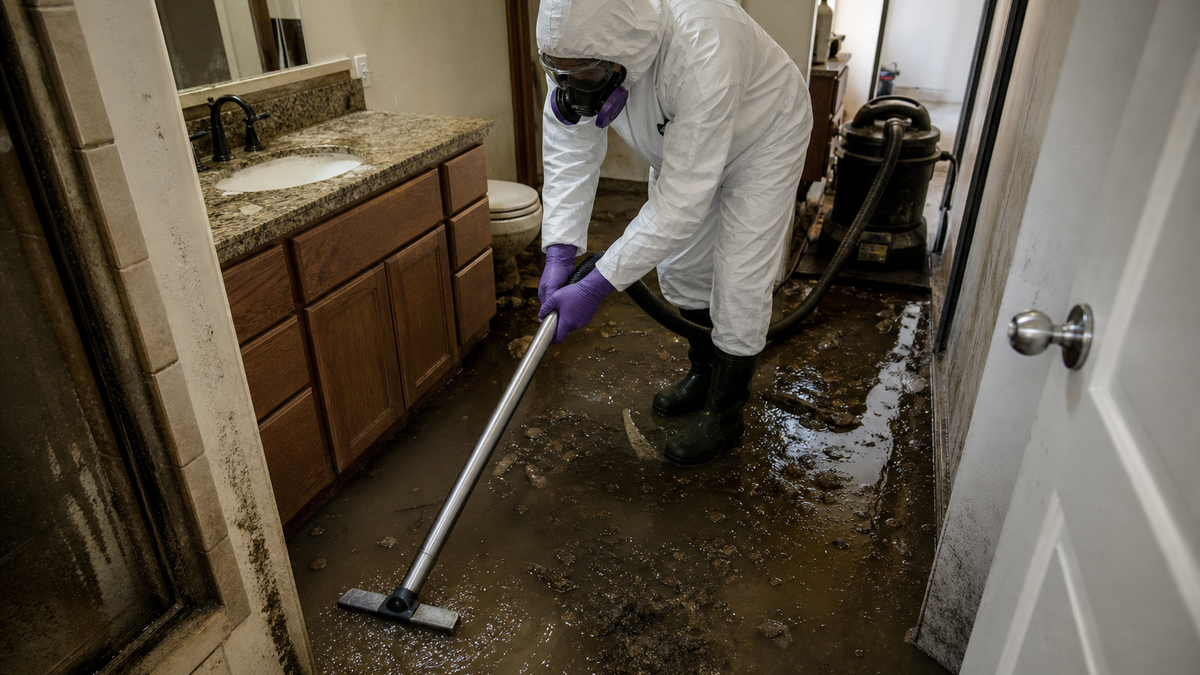
PPE for technicians includes full-face respirators, Tyvek suits, and double-gloving—not dust masks and jeans. Homeowners who enter Category 3 zones without protection risk exposure that urgent care visits later cannot undo.
Pet exposure to Category 3 water on paws tracked through house spreads contamination to pet beds and carpets—include pet areas in remediation scope when animals traversed flooded zones before occupants recognized contamination severity during monsoon garage intrusion events.
Tucson restoration professionals serving Oro Valley, Marana, Green Valley, and central Pima County apply these principles daily on health risks from category 3 exposure scenarios—local field experience matters as much as national IICRC standards when desert construction behaves differently from humid-climate textbooks.
IICRC Remediation Protocols for Category 3
Porous materials contacting Category 3 water—carpet, pad, upholstery, insulation, drywall, and paper goods—are typically removed and disposed in sealed bags following local biohazard waste guidelines. Attempting to shampoo Category 3 carpet is never acceptable professional practice.
Hard, non-porous surfaces may be cleaned with appropriate agents after bulk water extraction. Multiple cleaning passes with HEPA vacuuming between passes removes silt from grout and expansion joints common after monsoon mud intrusion.
Containment separates work zones from clean areas with polyethylene barriers and negative air pressure. HEPA air scrubbers filter exhaust so demolition dust and bioaerosols do not migrate to bedrooms and office spaces through central HVAC returns.
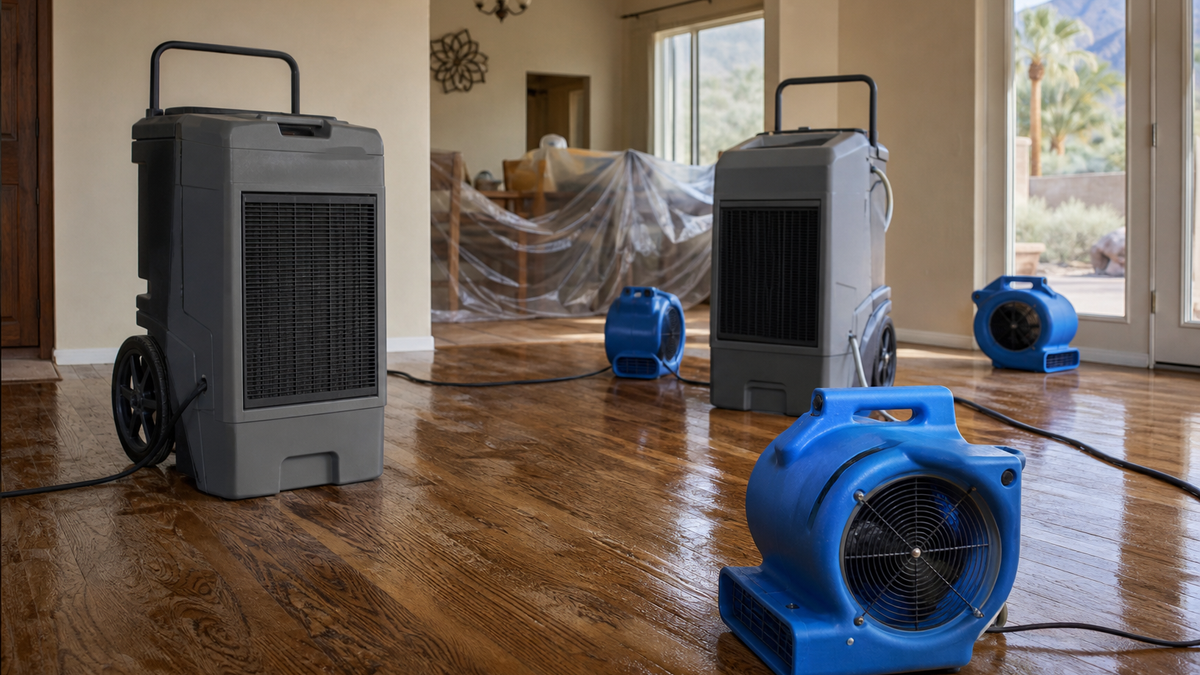
Structural drying follows cleaning and removal—not instead of it. Framing must reach dry standard before rebuild; antimicrobials supplement but never replace physical removal of contaminated porous materials per S500.
Biocide product selection for Category 3 losses follows label requirements for porous vs non-porous application—technicians document product name and dwell time when carriers or commercial tenants request chemical application records for post-remediation compliance files.
Tucson restoration professionals serving Oro Valley, Marana, Green Valley, and central Pima County apply these principles daily on iicrc remediation protocols for category 3 scenarios—local field experience matters as much as national IICRC standards when desert construction behaves differently from humid-climate textbooks.
Dealing With Sewage or Flood Contamination?
Category 3 losses require specialized cleanup—not household bleach. Our Tucson team follows IICRC black water protocols with full documentation for Pima County adjusters.
Call NowHVAC and Contents Considerations
HVAC systems that ingested Category 3 water or aerosolized sewage require professional cleaning or replacement of affected duct sections, filters, and coil components. Restarting AC after sewage loss without inspection spreads contamination to every register in the home.
Contents are evaluated individually: non-porous dishes and hard toys may be sanitized; mattresses, pillows, and stuffed furniture that absorbed black water are discarded. Document everything for insurance before disposal—adjusters need photos of affected contents even when removal is mandatory.
Electronics and appliances with Category 3 exposure often fail safety standards even after surface cleaning. Insulation inside walls of refrigerators and ovens contacts contaminated air—replacement is frequently more defensible than attempted salvage.
Odor removal after Category 3 cleanup addresses residual smells from silt trapped in subfloors and cabinet bases. Source removal beats ozone and fragrance masking every time for long-term occupant comfort.
Books and paper documents contacting Category 3 water rarely salvage economically—freeze-dry restoration exists for high-value collections but exceeds typical homeowners policy limits for garage-stored boxes after monsoon intrusion through roll-up doors.
Tucson restoration professionals serving Oro Valley, Marana, Green Valley, and central Pima County apply these principles daily on hvac and contents considerations scenarios—local field experience matters as much as national IICRC standards when desert construction behaves differently from humid-climate textbooks.
Insurance and Category Classification Disputes
Carriers may dispute Category 3 classification when source appears ambiguous—roof leak versus ground flooding, or toilet supply line versus drain overflow. Source photos, weather reports, and plumber statements help establish category at loss onset.
Insurance claim assistance documents source history, category determination rationale, and line items tied to S500 protocols. Undocumented category downgrades by carriers are challengeable when mitigation records are thorough.
Sewer backup endorsements are separate from standard water damage coverage on many Arizona policies. Monsoon surface water flooding may require flood insurance through NFIP—not homeowners policy. Know your endorsements before arguing category with adjusters.
Additional living expenses and content coverage limits apply separately from building mitigation. Category 3 losses often displace families longer due to demolition scope—track expenses from day one with carrier-approved vendors when possible.
Public adjusters on large Category 3 losses review carrier category downgrades line by line—documentation of source photos and plumber statements at loss onset supports maintaining Category 3 scope when carriers attempt reclassification to reduce demolition approval totals.
Tucson restoration professionals serving Oro Valley, Marana, Green Valley, and central Pima County apply these principles daily on insurance and category classification disputes scenarios—local field experience matters as much as national IICRC standards when desert construction behaves differently from humid-climate textbooks.
DIY Mistakes That Worsen Category 3 Losses
Bleach mopping Category 3 mud without removing porous materials leaves bacteria in drywall cores and carpet pad. Surfaces look clean while contamination remains—a pattern that causes illness complaints and failed post-remediation inspections.
Running household fans spreads bioaerosols to unaffected rooms. Central HVAC during active Category 3 cleanup without containment contaminates entire duct systems—turning a bathroom backup into a whole-house remediation scope.
Delaying call-out while attempting DIY saves nothing: Category 3 porous materials still require removal, and delayed action increases mold secondary damage adjusters may attribute to inadequate mitigation rather than covered loss.
Saving Category 3 carpet because it looks expensive guarantees odor and microbe problems within weeks. Professional disposal with documentation protects health and supports full replacement coverage on many policies when mitigation standards are met.
Pressure washing Category 3 contaminated concrete without containment aerosolizes bacteria—appropriate cleaning uses controlled methods with extraction at surface, not high-pressure fan patterns that broadcast contaminated droplets onto previously dry stucco exterior walls adjacent to garage floors.
Tucson restoration professionals serving Oro Valley, Marana, Green Valley, and central Pima County apply these principles daily on diy mistakes that worsen category 3 losses scenarios—local field experience matters as much as national IICRC standards when desert construction behaves differently from humid-climate textbooks.
When Clearance Testing Is Recommended
Post-Category 3 clearance may include ATP surface testing, bacterial swabs, or visual inspection by a hygienist depending on contract and occupancy sensitivity. Medical offices and daycares in Pima County often require documented clearance before reopening.
Indoor air quality testing compares indoor spore counts to outdoor baseline after remediation—not standalone proof of sanitation for Category 3 bacteria, but valuable for mold secondary damage verification.
Rebuild should not begin until framing moisture and cleanliness standards are met. Covering Category 3-affected studs with new drywall before proper cleaning and drying traps contamination behind walls indefinitely.
Keep all clearance reports with your insurance file and property disclosure records. Future buyers and landlords ask about prior sewage and flood losses—documented professional remediation supports property value better than undocumented DIY cleanup stories.
Bacterial swab clearance on Category 3 commercial kitchen floors may be required by health department independent of mold air clearance—coordinate municipal health requirements with mold verification when restaurant tenant spaces flood during plaza parking lot runoff events.
Tucson restoration professionals serving Oro Valley, Marana, Green Valley, and central Pima County apply these principles daily on when clearance testing is recommended scenarios—local field experience matters as much as national IICRC standards when desert construction behaves differently from humid-climate textbooks.
Frequently Asked Questions
The Bottom Line
Category 3 water damage is gross contamination requiring aggressive removal—not household cleaning tricks. Sewage, monsoon runoff, and escalated standing water demand IICRC protocols, professional PPE, porous material disposal, and documented drying before rebuild.
Tucson homeowners see Category 3 most often from sewer line failures during monsoon root intrusion and street flooding in low-lying neighborhoods—not from desert dryness myths. Correct classification at loss onset protects health and sets accurate insurance scope.
Call professionals immediately for any suspected black water event. DIY delays spread contamination, inflate scope, and create health risks that proper mitigation avoids from hour one.