Quick answer: Report water damage promptly, mitigate immediately to prevent further damage, document with dated photos and professional moisture logs, keep receipts, and understand your policy exclusions for flood and sewer backup. Tucson adjusters approve claims with IICRC-aligned scopes and daily mitigation documentation—not homeowner verbal descriptions alone.
Report the Claim Fast—Then Mitigate
Most Arizona homeowners policies require prompt notice and reasonable steps to prevent further damage. Calling your carrier within 24 hours of discovery—even if adjuster visit waits days—establishes timeline carriers use when reviewing mold that develops after initial loss.
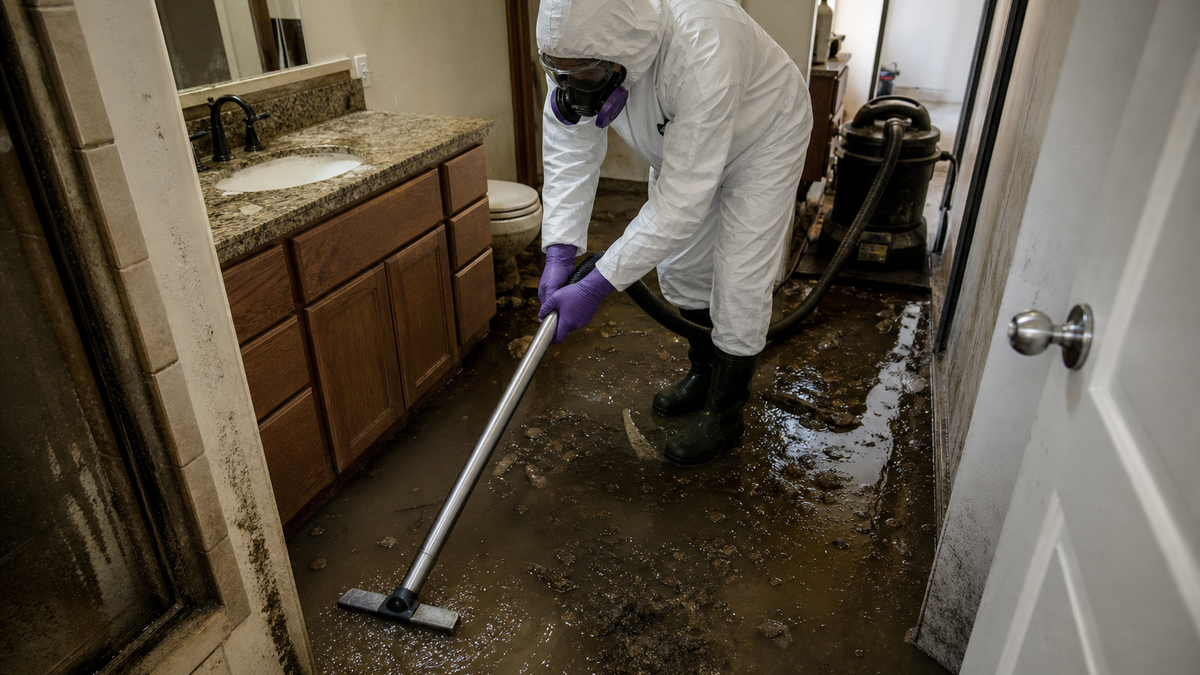
Emergency mitigation including extraction and drying should begin before adjuster inspection on active losses. Policies commonly reimburse reasonable mitigation when loss is covered—waiting for adjuster while water spreads may reduce recoverable amounts.
Get claim number, adjuster name, and authorization guidelines for emergency work at first notice. Ask specifically about mold coverage limits and endorsements—do not assume mold is excluded or included without reading declarations.
Document who you spoke with and when. Carrier portal submissions timestamp photos and notes—use them in addition to professional contractor documentation for redundant timeline proof.
Document denial of emergency authorization in writing if carrier hotline advises waiting—some policyholders successfully appeal when recorded call advice contradicted policy mitigation duty language requiring reasonable steps to prevent further damage during active water loss events.
Tucson restoration professionals serving Oro Valley, Marana, Green Valley, and central Pima County apply these principles daily on report the claim fast—then mitigate scenarios—local field experience matters as much as national IICRC standards when desert construction behaves differently from humid-climate textbooks.
Documentation Adjusters Actually Review
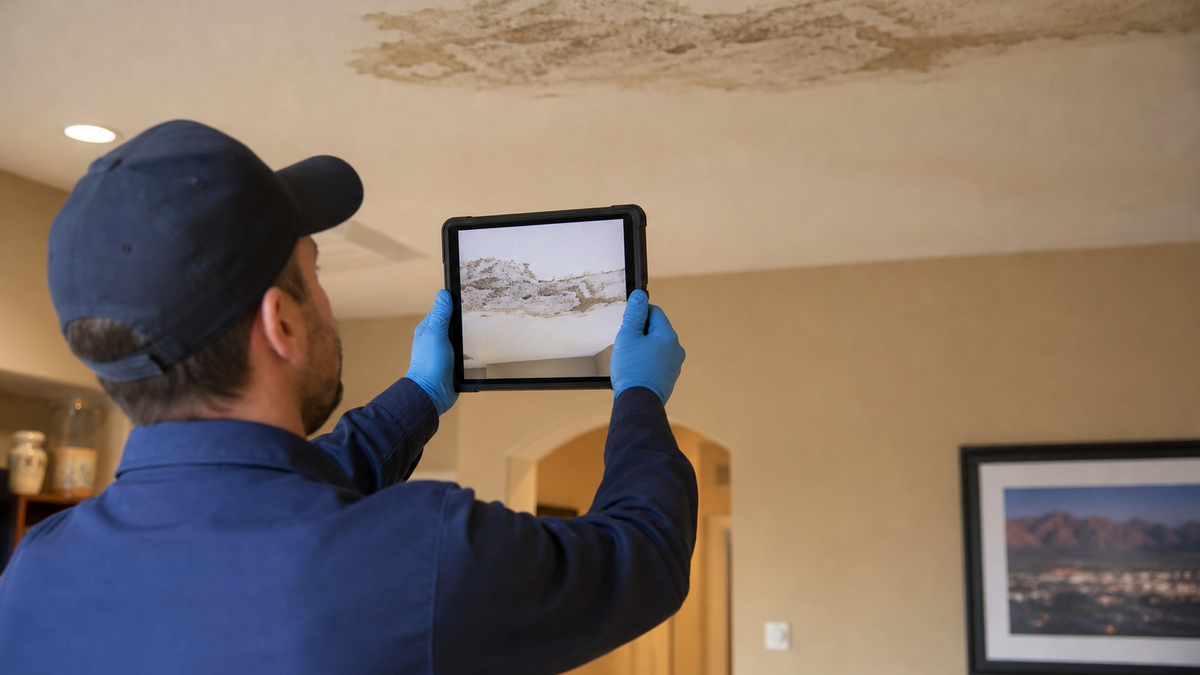
Dated wide-angle and close-up photos of source, all affected rooms, water lines on walls, and damaged contents before and during mitigation. Include serial numbers on appliances if supply line failure caused loss.
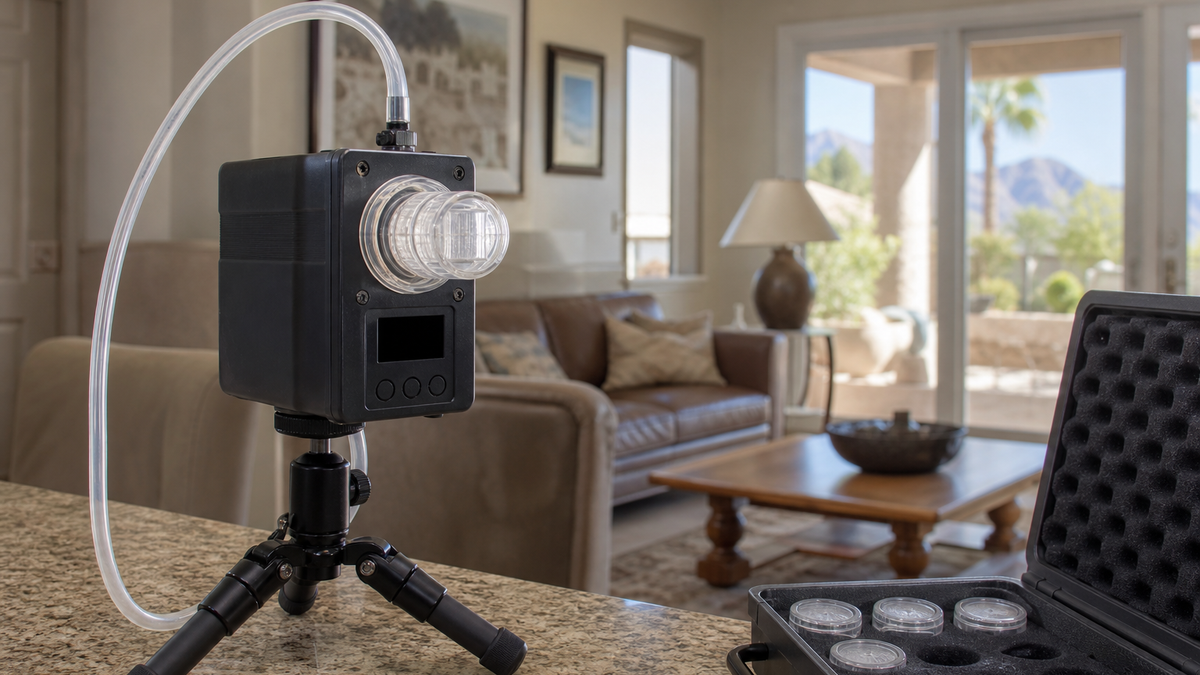
Daily moisture readings with meter type, locations, and values showing decline over time. This proves drying was professional and complete—not arbitrary equipment rental. Insurance claim assistance packages these logs in adjuster-friendly formats.
Written scope with line items tied to IICRC categories: extraction, equipment, demolition, antimicrobial application when appropriate, and content manipulation. Vague invoices get questioned; detailed scopes with industry terminology get approved faster.
Plumber or roofer reports establishing sudden accidental cause support coverage arguments. Chronic leak exclusions apply when carriers prove long-term neglect—sudden pipe burst narratives need third-party confirmation when possible.
Video walkthrough narrating damage on discovery day supplements photos—voice narration timestamps rooms and sources for adjusters reviewing dozens of monsoon claims when still photos alone lack context on water direction and depth across open floor plan living areas.
Tucson restoration professionals serving Oro Valley, Marana, Green Valley, and central Pima County apply these principles daily on documentation adjusters actually review scenarios—local field experience matters as much as national IICRC standards when desert construction behaves differently from humid-climate textbooks.
What Policies Typically Cover—and Exclude
Sudden accidental water damage from supply line breaks, appliance failures, and roof leaks during monsoon storms is commonly covered on standard HO-3 policies—subject to deductible and limits. Gradual leaks from deferred maintenance are often excluded.
Mold remediation resulting from covered water damage may be included up to sublimits or endorsements—some Arizona policies cap mold at ten or twenty-five thousand dollars unless additional coverage purchased. Read mold section carefully before assuming full remediation coverage.
Surface water flooding from street runoff and wash overflow typically requires separate flood insurance through NFIP—not homeowners policy. Sewer backup requires sewer backup endorsement common as inexpensive add-on—critical for older Tucson sewer lines.
Vacant property clauses affect snowbird homes closed all summer when undetected leaks cause mold. Some policies reduce coverage after 30 or 60 days vacancy—verify before leaving Green Valley property empty through monsoon season.
AC condensate and appliance supply line failures usually covered as sudden accidental—document failure component and retain failed part when adjusters request proof of sudden rupture versus gradual seepage excluded under maintenance provisions in Arizona homeowners policy language.
Tucson restoration professionals serving Oro Valley, Marana, Green Valley, and central Pima County apply these principles daily on what policies typically cover—and exclude scenarios—local field experience matters as much as national IICRC standards when desert construction behaves differently from humid-climate textbooks.
Working With Adjusters After Tucson Losses
Regional monsoon events create adjuster backlogs—contractor documentation becomes primary evidence when adjusters cannot visit for a week. Professional mitigation continues with carrier authorization guidelines documented on claim notes.
Independent adjusters represent carrier interests—not yours. Public adjusters can advocate for homeowners on large losses for a fee. Restoration contractors document damage and perform work—they do not adjust claims unless licensed—avoid anyone promising to be all three without credentials.
Supplements add line items discovered during demolition—wet insulation behind intact drywall, for example. Submit supplement photos and moisture logs promptly when scope expands; do not rebuild hidden areas before adjuster reviews supplemental damage.
Dispute resolution through carrier appraisal clauses or Arizona Department of Insurance complaints follows documented evidence. Emotional calls without moisture logs rarely overturn technical denials—paperwork wins disputes.
Desk adjusters reviewing Tucson monsoon claims from out of state may misclassify wash flooding vs roof leak—local contractor letters explaining Sonoran construction and typical monsoon failure modes correct misclassification when photos show water entry path clearly from door threshold not ceiling plane.
Tucson restoration professionals serving Oro Valley, Marana, Green Valley, and central Pima County apply these principles daily on working with adjusters after tucson losses scenarios—local field experience matters as much as national IICRC standards when desert construction behaves differently from humid-climate textbooks.
Need Help With Your Claim?
We provide daily photo logs, moisture readings, and line-item scopes formatted for Pima County adjusters. Insurance claim assistance is part of every Tucson mitigation project we handle.
Call NowMold Coverage and the Prompt Mitigation Link
Carriers often deny mold remediation when they argue mitigation was delayed or inadequate—allowing mold when drying would have prevented it. Daily logs proving prompt professional drying defend against these denials on otherwise covered water losses.
Pre-existing mold unrelated to covered loss is excluded. Inspection photos establishing mold appeared after reported water event support causation. Mold inspection reports timestamp contamination relative to loss date.
Mold remediation line items should reference source water damage claim number and causation narrative. Standalone mold claims without water loss trigger stricter scrutiny and lower coverage on many policies.
Post-remediation clearance testing costs may be covered when policy or adjuster requires verification before payment finalization—ask before ordering independent clearance out of pocket.
Mold sublimit exhaustion mid-project requires supplement approval before continuing—notify carrier when remediation scope approaches mold cap so additional coverage or homeowner authorization decision occurs before work stops half-complete with containment open and home uninhabitable.
Tucson restoration professionals serving Oro Valley, Marana, Green Valley, and central Pima County apply these principles daily on mold coverage and the prompt mitigation link scenarios—local field experience matters as much as national IICRC standards when desert construction behaves differently from humid-climate textbooks.
Common Denial Reasons and How to Avoid Them
Late reporting: discovered stain months ago but filed after mold spread—carriers attribute mold to neglect timeline. Report when first discovered, even if damage seems small initially.
Incomplete mitigation: homeowner dried surface with fans only; mold developed in wall cavities—carrier denies mold as failure to mitigate. Professional documented drying prevents this narrative.
Wrong peril classification: claiming roof leak when ground flooding caused loss—documentation must match peril. Weather reports and source photos establish correct classification for monsoon events with multiple water paths.
Policy exclusions invoked without review: carriers sometimes deny mold categorically when endorsement actually provides sublimit coverage. Request denial in writing citing policy language and review with agent.
Vacancy exclusion applies to some snowbird claims—verify vacancy day count against policy language before assuming denial is final; some carriers count calendar days property unoccupied differently than homeowner estimates for Green Valley winter-absent summer-wet mold losses.
Tucson restoration professionals serving Oro Valley, Marana, Green Valley, and central Pima County apply these principles daily on common denial reasons and how to avoid them scenarios—local field experience matters as much as national IICRC standards when desert construction behaves differently from humid-climate textbooks.
Contents, Additional Living Expenses, and Depreciation
Personal property coverage applies separately from dwelling with its own limit and deductible treatment on some policies. Document contents with photos, age, and replacement cost research—restoration contractors focus on structure; contents inventory is homeowner or specialist responsibility.
Additional living expenses cover hotel and meal differentials when home is uninhabitable during mitigation—subject to limits and reasonable timeframes. Keep receipts aligned with displacement dates carrier approves.
Recoverable depreciation holds portion of payment until repairs complete—understand whether your policy is RCV or ACV before signing contractor contracts expecting full payment upfront. Submit completion photos and invoices to release withheld depreciation.
Matching issues on partial rebuilds—new drywall texture versus old—may be covered under matching endorsements when available. Arizona homeowners should ask adjusters about uniform appearance provisions when only one wall rebuilds after water cut.
Contents inventory apps speed claim submission—photograph each room systematically before mitigation moves items, because carriers dispute contents damage when pre-mitigation inventory lacks timestamps matching initial loss date on claim file.
Tucson restoration professionals serving Oro Valley, Marana, Green Valley, and central Pima County apply these principles daily on contents, additional living expenses, and depreciation scenarios—local field experience matters as much as national IICRC standards when desert construction behaves differently from humid-climate textbooks.
Choosing Contractors and Assignment of Benefits
Hire IICRC-aligned restoration contractors who document daily—not storm-chasing franchises that disappear after collecting checks. Local Pima County presence matters when supplements and warranty issues arise months later.
Assignment of benefits transfers claim payment rights to contractor—illegal or restricted in some states; Arizona allows with disclosure requirements. Understand whether you retain control of scope approval before signing AOB forms popular after regional storms.
Direct payment to contractors from carrier simplifies process but you remain policyholder of record for dispute purposes. Review all scope changes before work expands—communication prevents surprise out-of-pocket when limits cap.
Water damage restoration companies familiar with local adjusters format scopes carriers recognize—reducing back-and-forth that delays dry-out while mold clock runs.
Obtain written scope before authorizing work—not verbal estimates—so supplement discussions reference original approved line items when hidden damage discovered during demolition expands drying and removal beyond initial emergency authorization limits.
Tucson restoration professionals serving Oro Valley, Marana, Green Valley, and central Pima County apply these principles daily on choosing contractors and assignment of benefits scenarios—local field experience matters as much as national IICRC standards when desert construction behaves differently from humid-climate textbooks.
Request written confirmation when adjusters authorize emergency mitigation verbally—email recap within twenty-four hours creates paper trail if desk adjuster disputes scope after field inspection weeks later on busy monsoon season claim queues across Pima County.
Save all email correspondence with adjusters in a dedicated claim folder—searchable records resolve disputes when new adjusters inherit monsoon-season files and question mitigation timelines documented only in phone calls.
Frequently Asked Questions
The Bottom Line
Water damage insurance claims in Tucson succeed with speed, documentation, and IICRC-aligned mitigation—not hope. Report fast, extract and dry professionally, photograph and log moisture daily, and understand flood versus sudden water versus mold sublimit distinctions before adjuster arrives.
Mold coverage ties to covered water events and prompt mitigation—delayed DIY drying gives carriers reason to deny remediation. Professional scopes and logs are your best defense when claim values increase after demolition reveals hidden wetting.
Choose local restoration partners who document like adjusters expect and communicate supplements honestly. Good paperwork turns stressful losses into recoverable ones across Pima County monsoon season and every AC leak in between.
Our insurance claim assistance team works directly with Tucson adjusters daily—we know which photo angles, moisture logs, and line-item descriptions survive scrutiny when claims exceed ten thousand dollars.
Keep every receipt from mitigation through rebuild, including hotel stays if your policy includes loss of use coverage. Organized documentation is the single strongest predictor of fair claim outcomes in Pima County.