
Mold Removal in Tucson, Arizona
Visible mold on walls, closets, or HVAC registers signals that moisture is winning somewhere in your home. We remove contaminated materials safely, protect unaffected rooms, and coordinate drying so mold does not return after the next monsoon.
Professional Mold Removal for Tucson Homes & Businesses
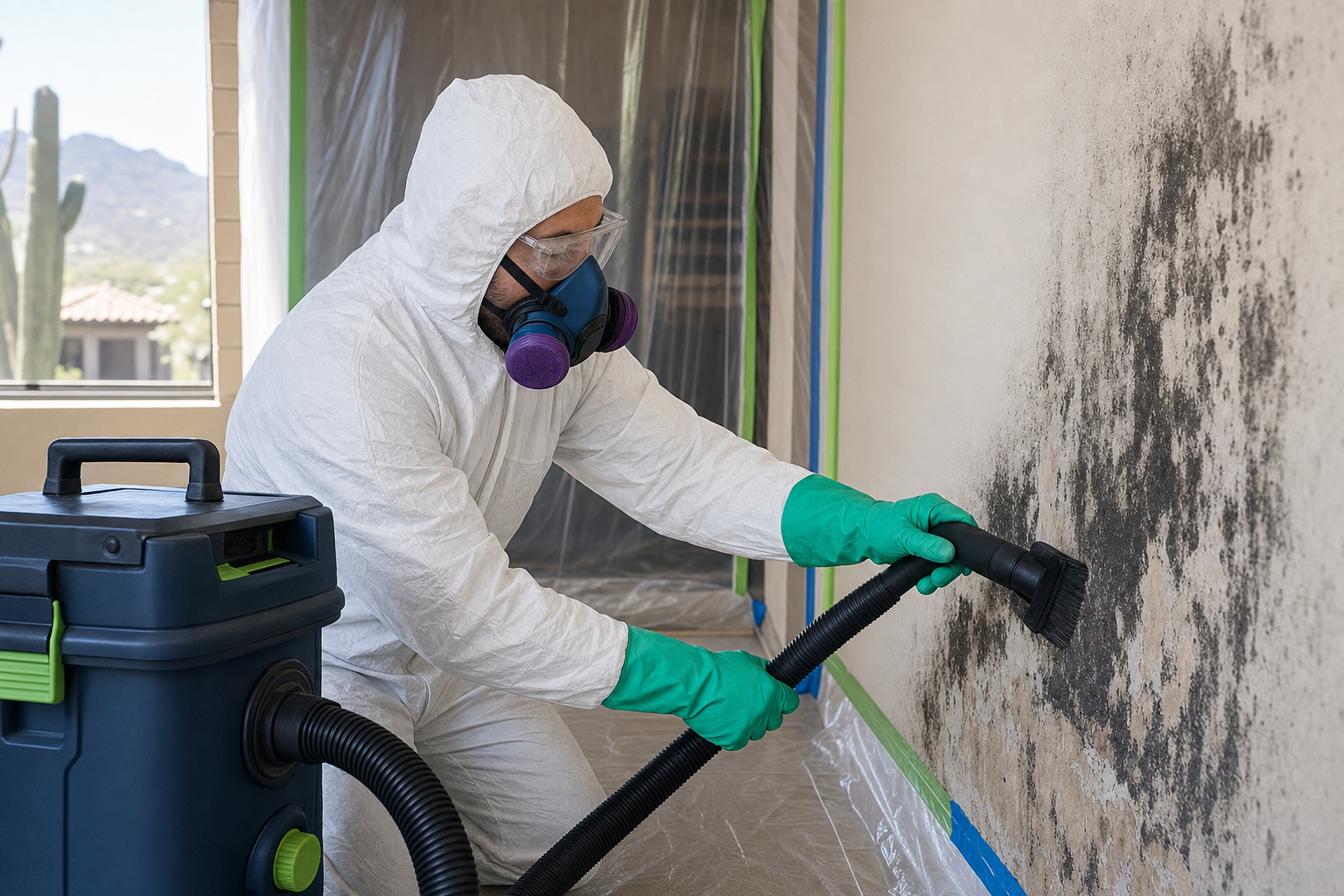
Mold removal is not the same as wiping down a shower with bleach. In Tucson, mold often follows a hidden moisture source—AC condensate lines that drip into ceiling cavities, slow roof leaks after monsoon hail, or evaporative cooler overflow that saturates stucco walls. Our crews follow IICRC S520 principles: identify the moisture source, establish containment, remove non-salvageable materials, HEPA-vacuum settled spores, and treat affected framing before rebuild.
We serve single-story ranch homes in Rita Ranch, mid-century adobe in Barrio Viejo, hillside properties in Catalina Foothills, and commercial suites along Oracle Road. Every project begins with a walk-through to map affected areas and determine whether mold inspection and testing is needed before demolition starts.
When Mold Removal Is the Right First Step
If mold covers less than roughly ten square feet on a non-porous surface and the moisture source is already fixed, targeted removal may be sufficient. Larger colonies on drywall, carpet, or insulation require controlled removal because disturbing mold releases millions of spores into the air. That is especially risky in homes with swamp coolers that recirculate attic dust and in tight hallways common in older Tucson tract housing.
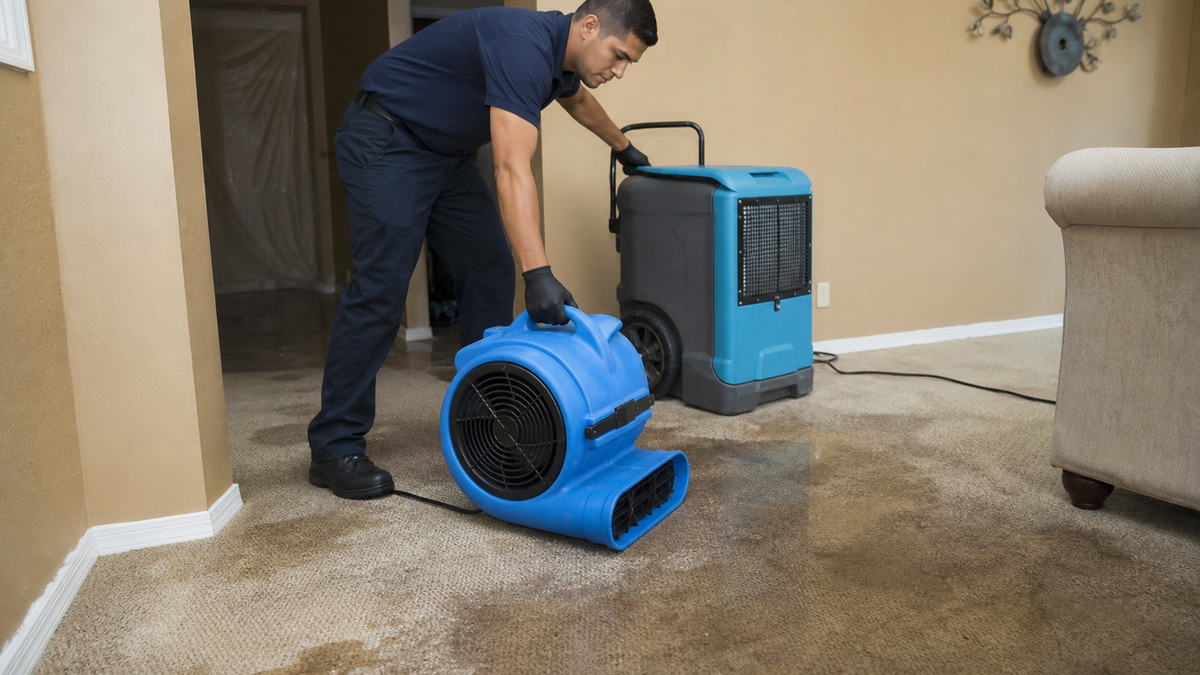
Removal is also appropriate after water damage restoration when materials cannot be dried in place. Wet drywall and pad must come out quickly in our desert climate—not because mold grows instantly, but because trapped moisture in wall cavities can spike humidity overnight when AC cycles off.
How Tucson Climate Affects Indoor Mold
Many homeowners assume mold cannot thrive in the Sonoran Desert. Low outdoor humidity is real, but indoor microclimates tell a different story. Bathroom exhaust fans vent into attics, monsoon rains overwhelm flat-roof scuppers, and slab-on-grade homes wick moisture through foundation cracks. Once relative humidity inside a wall cavity stays above roughly 60 percent for 48 hours, mold can colonize cellulose-based materials.
Adobe and plaster walls add complexity. Outwardly dry surfaces can hide damp earthen material that releases musty odors for months. Our technicians use moisture meters and thermal imaging to confirm dryness before sealing or repainting—otherwise you are simply trapping mold behind new paint.
Our Mold Removal Process
We isolate the work zone with polyethylene barriers and negative air pressure so spores do not migrate to bedrooms or office spaces. Porous materials that cannot be cleaned—drywall, carpet, ceiling tiles—are bagged and removed according to local disposal guidelines. Hard surfaces such as tile, sealed concrete, and metal studs are HEPA-vacuumed and cleaned with appropriate antimicrobial products when indicated.
After removal, we coordinate structural drying if framing is still wet and recommend antimicrobial treatment on exposed wood. For whole-home concerns, indoor air quality testing confirms spore counts have returned to normal background levels before you move belongings back.
Residential vs. Commercial Mold Removal
Residential jobs often focus on bathrooms, laundry rooms, and HVAC closets where condensate and supply leaks concentrate. We protect furniture, isolate return air vents, and work around family schedules—important when children or elderly residents have asthma or allergies.
Commercial mold removal in Tucson office parks and retail spaces requires after-hours work and documentation for property managers. We provide photo logs, moisture readings, and scope notes that align with lease requirements and insurance carriers serving Pima County businesses.
Health & Safety During Removal
Disturbed mold can irritate eyes, throat, and lungs. Our crews wear respirators, gloves, and full coveralls inside containment. Occupants are advised to stay out of the work zone until HEPA filtration has run and visual clearance is complete. For toxigenic species, we follow stricter protocols similar to black mold removal with enhanced PPE and separate decontamination steps.
We do not recommend DIY removal for large areas or HVAC contamination. Shop vacuums and household fans spread spores through ductwork—particularly problematic when evaporative coolers pull attic air across living spaces.
Preventing Mold After Removal
Removal without fixing moisture is temporary. We document every leak source we find—failed wax rings, AC drain pans, irrigation against foundation stem walls—and provide a simple corrective list. Maintaining indoor humidity between 30 and 50 percent, routing cooler bleed-off lines away from the foundation, and cleaning condensate drains each spring dramatically reduces recurrence.
Annual roof inspections before monsoon season and prompt water extraction after any flooding event are the two highest-impact habits Tucson homeowners can adopt.
Serving Pima County Neighborhoods
From Oro Valley and Marana to Green Valley and Sahuarita, our trucks carry HEPA vacuums, containment supplies, and moisture detection tools sized for desert construction. We understand stucco exteriors, foam roof systems, and older galvanized plumbing that fails without warning during hard-water scale buildup.
If you manage rental properties near the University of Arizona, we offer fast turnaround between tenants with written clearance summaries for your files.
Tucson Building Materials & Mold Risk
Stucco-over-frame walls with foil-faced insulation behave differently than coastal construction when they get wet. Water travels horizontally along bottom plates and can wick upward into drywall through capillary action while exterior stucco looks untouched. In Catalina Foothills homes with hillside drainage, we often find mold on lower bedroom walls while rooflines appear fine—grading and gutter overflow are frequent contributors alongside plumbing leaks.
Older Tucson neighborhoods with galvanized supply lines and polybutylene retrofits see pinhole sprays inside wall cavities that leave mold on stud bays long after surface stains are wiped. We document pipe material and recommend repipe consultations when corrosion patterns suggest repeat failures. Adobe block additions on historic properties need gentle demolition near earthen walls to avoid crumbling structural mass while still removing contaminated furring strips and drywall.
Equipment We Deploy on Removal Jobs
HEPA-filtered air scrubbers, negative air machines, and contained demo tools are standard on every removal site above minimal size. Personal protective equipment includes half-face or full-face respirators with P100 filters, not paper dust masks sold at hardware stores. We use moisture meters with pin and pinless modes to confirm framing dryness before applying sealers or closing walls.
For multi-room projects in Oro Valley and Marana, we stage HEPA vacuums at decontamination transitions so technicians do not track spores through clean hallways. Waste bags are double-bagged and labeled when local disposal rules require special handling for mold-contaminated drywall quantities above routine construction debris thresholds.
Timeline Expectations for Homeowners
Small bathroom removals may complete in one day when moisture source is fixed and no extended drying is required. Kitchen and laundry removals involving cabinet demo typically run two to four days because appliance disconnects, plumbing inspections, and subfloor drying add steps. Whole-home situations after major pipe bursts on slab foundations can extend one to two weeks when multiple rooms require containment sequencing.
We communicate daily with occupants about noise, HVAC shutdown windows, and safe pathways to unaffected bedrooms. Property managers receive end-of-day photo summaries for tenant updates—especially important in multi-family buildings near the University of Arizona where lease timelines are tight between semesters.
Working With Other Trades After Removal
Mold removal exposes plumbing and roofing problems that must be corrected before rebuild. We coordinate timing with HVAC contractors cleaning condensate lines, roofers patching monsoon damage, and irrigation specialists redirecting spray away from stem walls. Rebuild drywall and texture crews receive dry, treated framing with moisture readings attached so they do not encapsulate hidden wet wood.
When insurance claim assistance is involved, we sequence trade work to match approved scopes and supplement hidden damage discovered during demo. Clear communication prevents adjusters from denying rebuild invoices because mold remediation and plumbing repair were not documented as related to the same sudden water event.
Local Expertise for Mold Removal in Tucson
From Catalina Foothills and Oro Valley to Marana, Rita Ranch, Green Valley, and central Tucson barrios, Pima County homes combine stucco exteriors, slab foundations, evaporative coolers, and long cooling seasons that stress plumbing and roofing. Monsoon microbursts, AC condensate overflows, and vacant snowbird properties closed through humid summer weeks create moisture problems despite desert reputation for dryness. Mold Removal in this environment requires contractors who understand adobe additions, foam flat roofs, rooftop package HVAC, and hard-water scale attacking copper lines—not generic national playbooks written for humid coastal climates.
We dispatch from greater Tucson with equipment sized for ranch homes, hillside multi-level builds, and commercial tenant spaces along Oracle, Grant, and Broadway corridors. Response targets 60–90 minutes for emergencies when crew capacity allows during monsoon surges affecting entire neighborhoods simultaneously.
Desert humidity swings and hard-water plumbing mean the same home can suffer AC condensate floods in August and pipe pinholes in January—we plan mitigation for year-round failure modes, not single-season shortcuts.
Standards, Documentation & Next Steps
Our work aligns with IICRC S500 water restoration and S520 mold remediation standards recognized by insurers, industrial hygienists, and property managers statewide. Daily moisture documentation, HEPA filtration, and correct water category handling separate professional mitigation from consumer fans-and-bleach attempts that spread contamination or leave wet cavities mold-ready within 72 hours. Whether you need insurance documentation, third-party clearance, or fast occupancy restoration, our process produces records adjusters and buyers recognize.
Call (520) 462-0491 for a free visual assessment and plain-language scope. We coordinate with extraction, drying, remediation, and air testing as your loss requires—one coordinated team across Pima County rather than conflicting vendors leaving gaps where mold and odor return next season.
Every job receives photo documentation, moisture readings where applicable, and written recommendations for preventing repeat damage—whether you are a homeowner in Sahuarita, a landlord near UA, or a facility manager overseeing multiple Pima County locations.
Signs You Need Professional Mold Removal
Do not wait for spots to spread across ceilings or into ductwork—early removal limits cost and health exposure.
Visible Spotting on Walls or Ceilings
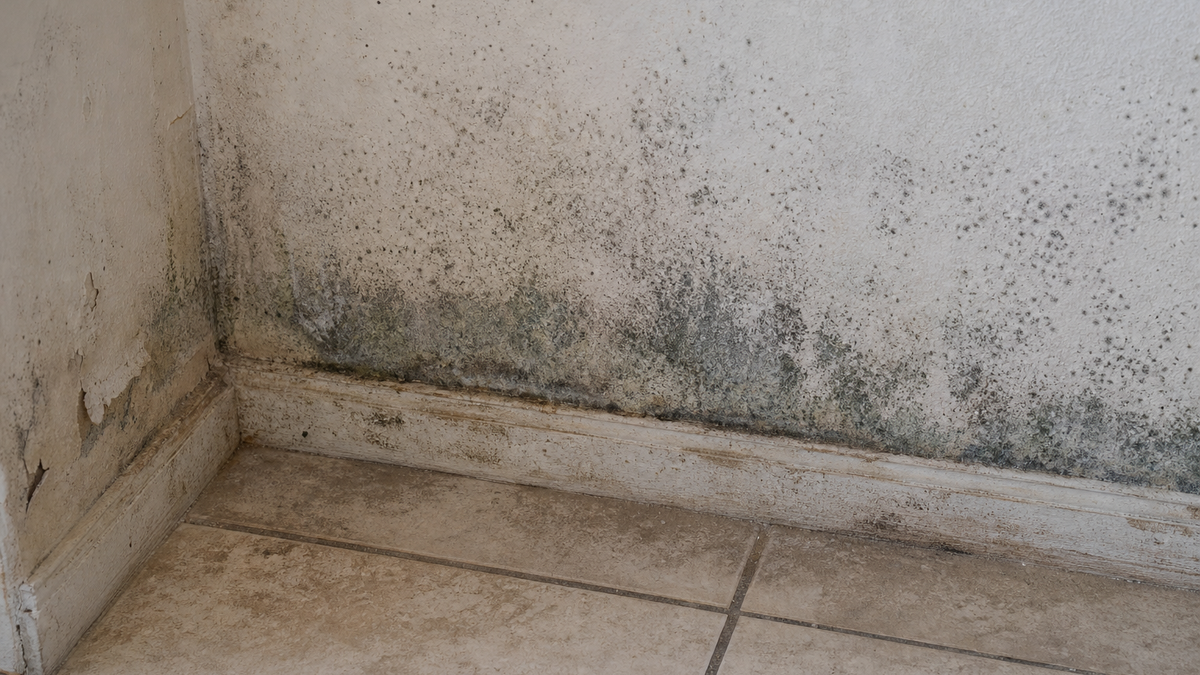
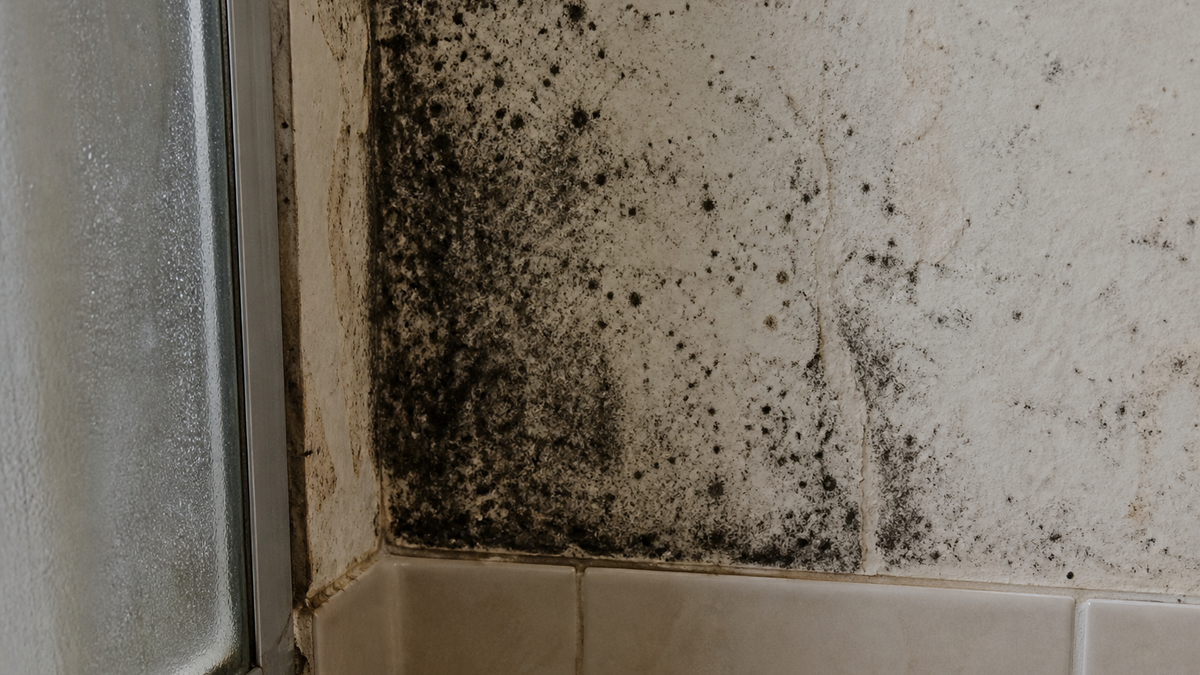
Green, black, or white patches that grow or return after cleaning usually mean active moisture behind the surface.
Persistent Musty Odor
Earth or locker-room smells near closets, registers, or swamp cooler closets indicate hidden mold on wood or insulation.
Allergy Flares Indoors
Sneezing, itchy eyes, or headaches that improve when you leave the home may track to elevated spore counts inside.
Peeling Paint or Bubbling Stucco
Moisture migrating through adobe or drywall often pushes paint outward before mold becomes visible.
Past Water Damage
Any prior pipe burst, roof leak, or AC overflow without professional drying leaves residual mold risk in cavities.
HVAC or Cooler Odors
Musty air when the AC or evaporative cooler runs suggests mold on coils, ducts, or attic-mounted equipment.
How We Remove Mold Safely in Tucson
Every step prioritizes occupant safety and prevents cross-contamination during demolition.
Assessment & Moisture Mapping
We locate active moisture with meters and thermal imaging and define the removal boundary before cutting any material.
Containment & Air Filtration
Poly barriers and HEPA air scrubbers keep spores inside the work zone per IICRC S520 guidance.
Selective Demolition & HEPA Cleaning
Non-salvageable porous materials are removed; hard surfaces are vacuumed and cleaned to settled spore standards.
Dry-Out, Treatment & Clearance
We verify dry framing, apply antimicrobials when needed, and recommend post-remediation testing before rebuild.
Why Mold Appears in Desert Homes
Tucson mold is almost always a moisture problem first—humidity spikes in hidden spaces, not necessarily outdoors.
Monsoon Roof & Window Leaks
Driving rain overwhelms flat roofs and aging flashing, soaking ceiling insulation before stains appear indoors.
AC Condensate & Drain Pan Failures
Clogged condensate lines drip into ceilings and closets—common during Tucson's long cooling season.
Evaporative Cooler Overflow
Bleed-off and distribution lines that leak against stucco keep wall cavities damp for weeks.
Slab & Irrigation Moisture
Overwatering near stem walls and slab leaks wick into baseboards and carpet tack strips.
Poor Bathroom & Attic Ventilation
Fans that terminate in attics rather than outdoors trap humid air above living spaces.
Tucson Mold Removal You Can Trust
We combine remediation science with local knowledge of how Sonoran Desert homes actually fail.
IICRC-Aligned Workmanship
Our methods follow S520 containment and cleaning standards recognized by insurers and industrial hygienists.
Desert Construction Experience
We work daily with stucco, adobe, foam roofs, and slab foundations typical across Pima County.
Integrated Drying & Testing
Removal, structural drying, and air quality verification stay under one coordinated plan.
Insurance-Ready Documentation
Photo logs and moisture charts support insurance claim assistance when coverage applies.
Mold Removal FAQs
Answers to common questions from Tucson homeowners and property managers.
Often yes for small, isolated areas if containment is effective and you are not in sensitive health groups. Larger projects may require temporary relocation until HEPA filtration and clearance are complete.
Bleach can lighten surface staining on non-porous tile but does not penetrate drywall or kill root structures inside. Porous materials with mold should be removed, not bleached.
Small bathroom removals may finish in one day. Whole-room or multi-area projects typically take three to seven days depending on drying requirements and rebuild scope.
It will if the moisture source remains. We identify and document leak sources and recommend ventilation or plumbing corrections to prevent recurrence.
We recommend post-remediation verification for larger losses or when occupants have health concerns. Our IAQ testing compares indoor spore counts to outdoor baseline levels.
Mold Removal Across Tucson & Pima County
Local crews for Catalina Foothills, Oro Valley, Marana, and neighborhoods throughout the metro.
We respond to mold removal calls from central Tucson to Sahuarita and Green Valley. Monsoon season drives peak demand for ceiling and attic mold after roof leaks; winter visitors often discover closet mold when opening seasonal properties in Catalina Foothills.
Property managers, HOAs, and homeowners receive the same standard: contained work zones, HEPA filtration, and written summaries suitable for tenants, insurers, and real estate disclosures in Pima County.
Restoration Guides Related to Mold Removal
Homeowners researching mold removal in Tucson often need clear timelines, prevention steps, and insurance context. These guides complement our on-site IICRC-aligned work across Pima County.
Explore Our Tucson Restoration Resources
Browse services, local service areas, expert guides, and FAQ answers — organized to help homeowners, landlords, and property managers find the right next step fast.
Located in the Heart of Tucson
Our 5578 S Houghton Rd, Tucson, AZ 85747, USA base lets us reach Catalina Foothills, Oro Valley, Marana, and neighborhoods across Pima County quickly — day or night during monsoon season and every day of the year.