Quick answer: Black mold (often Stachybotrys chartarum) can produce mycotoxins and trigger allergic or irritant responses in sensitive people, but it is not automatically lethal. Health risk depends on exposure level, duration, individual sensitivity, and whether disturbed spores become airborne during improper DIY removal.
What People Mean by Black Mold
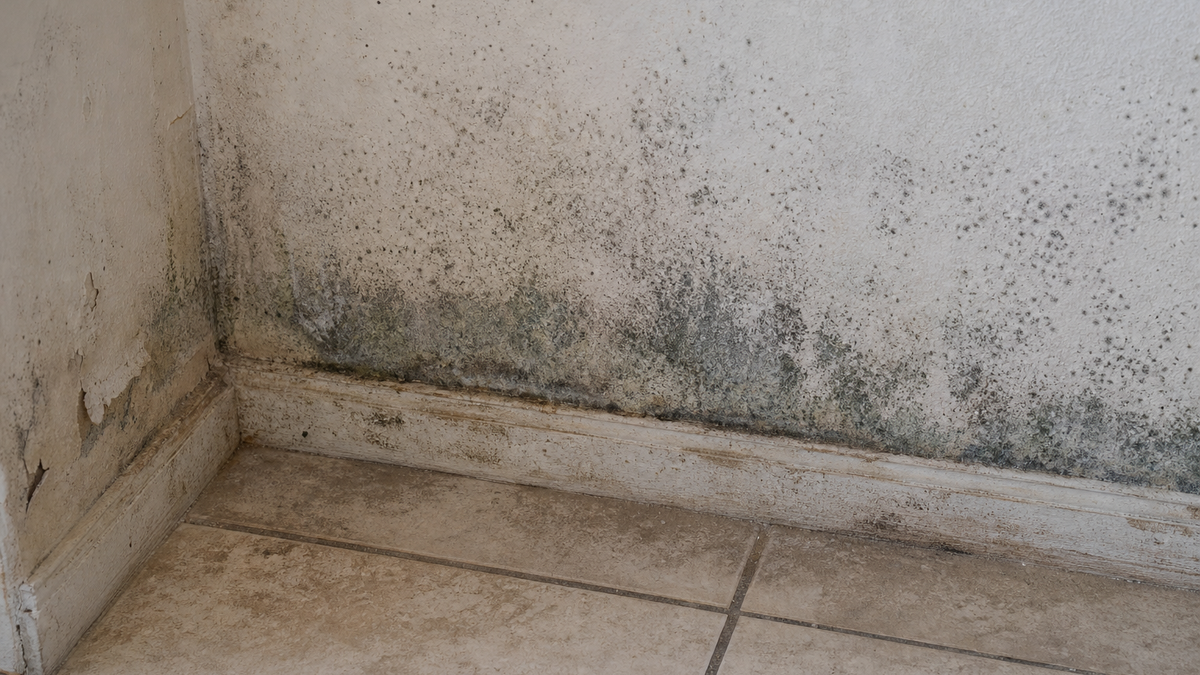
"Black mold" is a colloquial term, not a clinical diagnosis. In restoration work across Tucson, it usually describes darkly pigmented molds—commonly Stachybotrys chartarum—but also Aspergillus, Cladosporium, and Chaetomium species that appear black or green-black on wet drywall and cellulose materials.
Stachybotrys grows on chronically wet, cellulose-rich surfaces: wet drywall paper, cardboard, ceiling tile, and dust-laden wood. It is rarely the first colonizer after a fresh water leak; it often follows prolonged moisture when earlier species have already established. That pattern appears in slow AC condensate leaks and abandoned cooler penetrations leaking into attics.
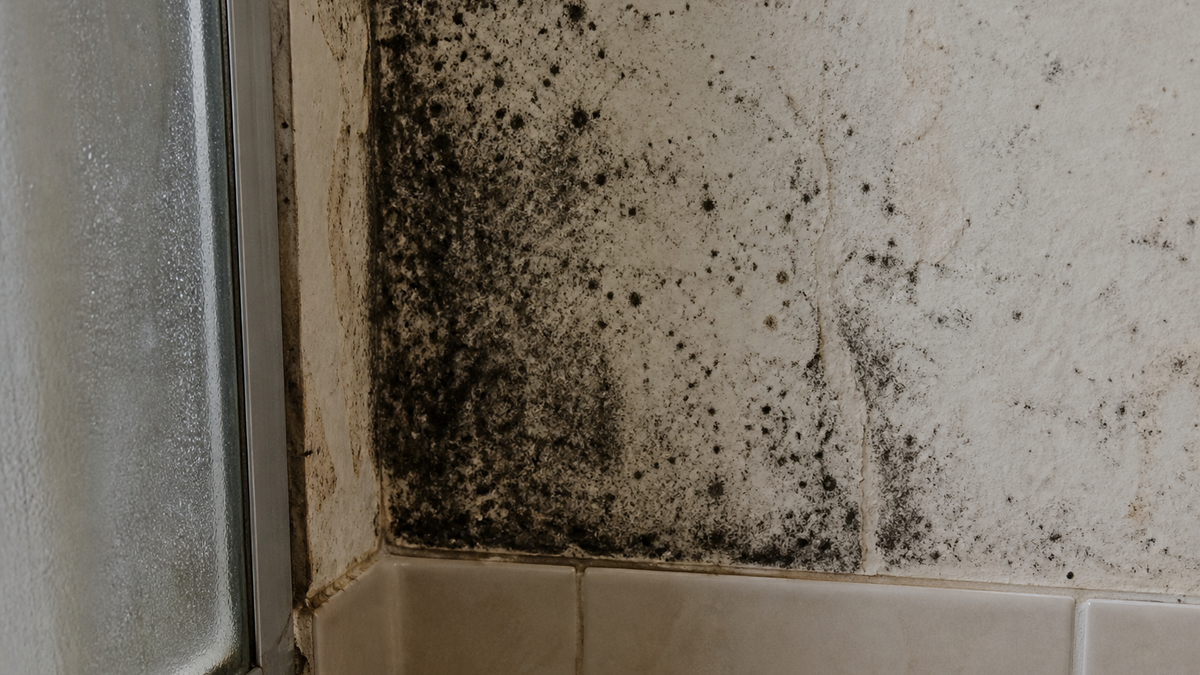
Color alone does not determine toxicity. Laboratory identification through mold inspection and testing confirms species and informs remediation scope. Dark spotting in a bathroom corner may be benign surface mold on grout, while identical-looking growth on saturated drywall behind a vanity requires controlled removal.
Media stories linking black mold to severe neurological disease often overstate single-study findings. Occupational health literature supports irritant and allergic effects from mold exposure, especially in damp buildings, but causation for rare syndromes remains contested. Responsible restoration focuses on removing contamination and restoring dry conditions—not fear-based overselling.
Laboratory culture identifies species but rarely changes residential remediation scope—health departments focus on moisture correction and removal of contaminated materials rather than prescribing different cleanup by species name for typical Tucson home bathroom and closet losses.
Tucson restoration professionals serving Oro Valley, Marana, Green Valley, and central Pima County apply these principles daily on what people mean by black mold scenarios—local field experience matters as much as national IICRC standards when desert construction behaves differently from humid-climate textbooks.
Documented Health Effects and Who Is Most at Risk
The CDC, EPA, and Institute of Medicine agree that indoor mold exposure can cause nasal congestion, coughing, wheezing, throat irritation, and eye irritation—particularly in people with asthma, allergies, or compromised immune systems. These are irritant and allergic responses, not universal poisoning.
Infants, elderly residents, and immunocompromised individuals face higher risk from fungal infections and prolonged inflammation. Tucson snowbird communities in Green Valley and Oro Valley often include retirees with COPD who notice symptom spikes after hidden attic mold spreads through HVAC returns during summer vacancy.
Mycotoxins produced by some molds including Stachybotrys can be detected in laboratory settings, but indoor air concentrations vary widely and health thresholds for occupants are not established the way they are for food contamination. Practical guidance: remove mold sources and fix moisture—do not occupy actively contaminated rooms during demolition.
Occupational exposure during improper DIY removal—scrubbing dry mold without containment—creates the highest spike in airborne spores. That is why black mold remediation uses negative air pressure, HEPA filtration, and full PPE rather than bleach and household fans.
Occupational studies on mold exposure involve industrial settings with sustained high concentrations—residential exposure during proper remediation with occupants excluded from work zones differs materially from living continuously in an unrepaired post-leak bedroom for months.
Tucson restoration professionals serving Oro Valley, Marana, Green Valley, and central Pima County apply these principles daily on documented health effects and who is most at risk scenarios—local field experience matters as much as national IICRC standards when desert construction behaves differently from humid-climate textbooks.
Symptoms That May Relate to Mold—and Those That Do Not
Musty odor when entering a specific room, increased allergy symptoms that improve when leaving home, and respiratory irritation during monsoon season after a known leak are plausible mold-related patterns. Symptom clusters tied to one damp area strengthen the case for inspection.
Not every headache or fatigue indicates toxic mold. Stress, Arizona dust, wildfire smoke, and seasonal allergens mimic some symptoms. Correlation is not causation—professional inspection connects health complaints to measurable contamination rather than assuming every dark spot is Stachybotrys.
Workers in enclosed remediation zones wear respirators because airborne spore counts spike during demolition. Occupants should not remain in contained work areas. Temporary relocation during large-scale removal is sometimes recommended for highly sensitive individuals, especially in dense South Tucson adobe duplexes with shared air paths.
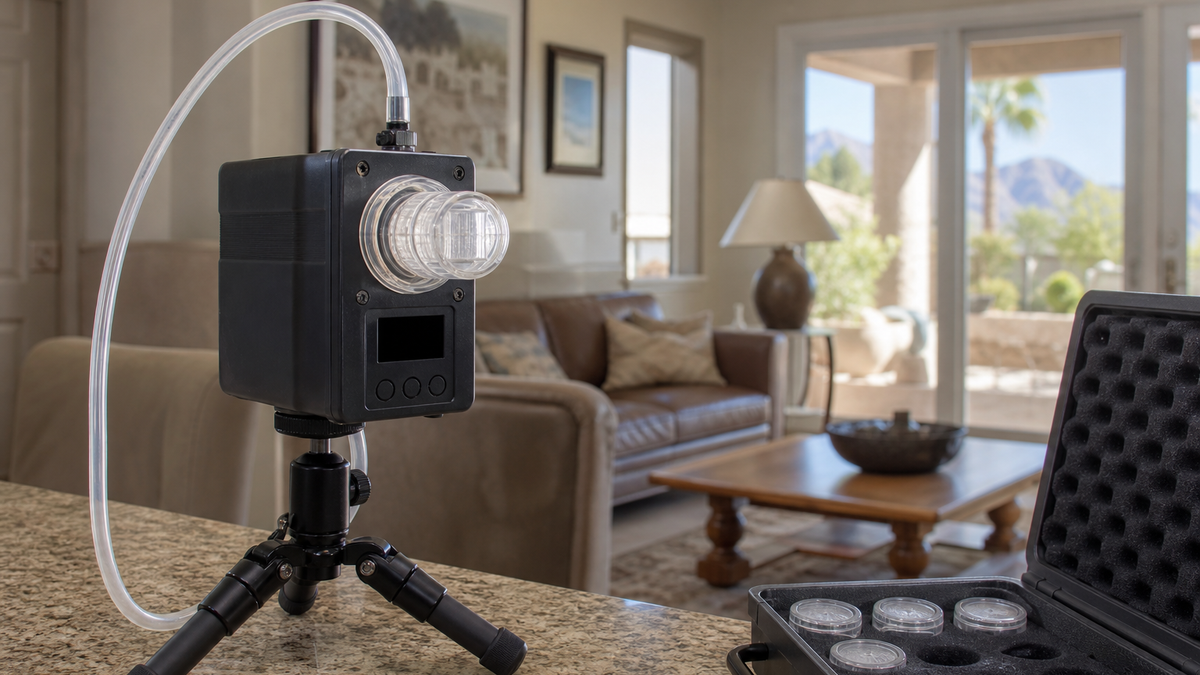
Indoor air quality testing before and after remediation documents spore counts relative to outdoor baseline. Post-remediation verification gives physicians and allergists objective data when patients ask whether the home environment is safe to re-enter.
Wildfire smoke events across Arizona occasionally spike respiratory complaints simultaneously with monsoon mold discoveries—physicians distinguish by history, inspection findings, and whether symptoms correlate with specific rooms rather than whole-region outdoor air quality alerts.
Tucson restoration professionals serving Oro Valley, Marana, Green Valley, and central Pima County apply these principles daily on symptoms that may relate to mold—and those that do not scenarios—local field experience matters as much as national IICRC standards when desert construction behaves differently from humid-climate textbooks.
Tucson-Specific Black Mold Risk Factors
Chronic moisture beats catastrophic flooding for Stachybotrys. Slow leaks from AC drip pans, refrigerator supply lines, and swamp cooler distribution lines keep drywall damp for weeks—ideal for dark mold behind built-in cabinets where homeowners rarely look.
Adobe and plaster walls in historic neighborhoods hold moisture internally. Outwardly dry surfaces hide wet earthen material that supports mold on furring strips and lath. Disturbing plaster without assessment can release spores trapped for months after monsoon wicking events.
Attic mold from roof leaks and cooler overflow spreads when systems restart. Black staining on sheathing above bedrooms in Marana and Sahuarita subdivisions often correlates with musty HVAC odors—not visible wall mold—making attic mold removal a common specialty scope.
Rental properties with deferred maintenance accumulate chronic dampness. Tenants reporting recurring respiratory issues combined with ceiling stains warrant landlord action under Arizona habitability standards. Documented remediation protects both parties and supports insurance claims when covered water sources caused the growth.
Pool and spa equipment leaks in Catalina Foothills backyards saturate stem walls and adjacent interior drywall through capillary wicking—slow outdoor moisture sources homeowners overlook while inspecting only interior plumbing under sinks and water heaters.
Tucson restoration professionals serving Oro Valley, Marana, Green Valley, and central Pima County apply these principles daily on tucson-specific black mold risk factors scenarios—local field experience matters as much as national IICRC standards when desert construction behaves differently from humid-climate textbooks.
Found Dark Mold After a Leak?
Do not scrub or bleach large areas yourself—that aerosolizes spores. Our IICRC-aligned black mold remediation team contains, removes, and verifies air quality across Tucson and Pima County.
Call NowWhen Testing Helps—and When It Does Not
Testing is valuable when insurance, landlords, or clearance requirements demand third-party verification; when musty odor persists without visible source; or when health-sensitive occupants need post-remediation confirmation. Random testing of every dark spot is usually unnecessary if moisture and visible growth clearly indicate removal scope.
Air sampling captures spore counts over a defined period; surface tape lifts identify species on specific materials. Swab samples without context can mislead—mold is everywhere at background levels. Interpretation requires comparison to outdoor baseline and inspection findings, not lab reports alone.
DIY mold test kits sold online cannot establish containment boundaries or remediation scope. They confirm what a qualified inspector already suspects. Save testing budget for post-remediation clearance when disputes or medical documentation require objective proof the work succeeded.
Our inspectors map moisture, identify water sources, and recommend sampling only when results change the remediation plan—not to generate fear or unnecessary laboratory fees for Tucson homeowners.
Landlord-tenant disputes in Tucson sometimes require independent third-party inspection paid by escrow—not either party—to break deadlock when tenant reports symptoms and landlord sees only small visible spots near window flashing failures on stucco rentals.
Tucson restoration professionals serving Oro Valley, Marana, Green Valley, and central Pima County apply these principles daily on when testing helps—and when it does not scenarios—local field experience matters as much as national IICRC standards when desert construction behaves differently from humid-climate textbooks.
Safe Removal vs. Dangerous DIY
Small surface mold on non-porous tile or shower grout may be cleaned by homeowners when the moisture source is fixed and the area is smaller than roughly ten square feet. Anything beyond that—especially on drywall, carpet, or insulation—requires IICRC S520 containment to prevent spore migration through the whole house.
Bleach on porous drywall does not kill hyphae inside the paper facing and adds chlorine moisture to an already wet environment. Scraping dry mold releases spores that settle in HVAC filters and closet contents. Vacuuming with a household unit exhausts spores through the vacuum exhaust port.
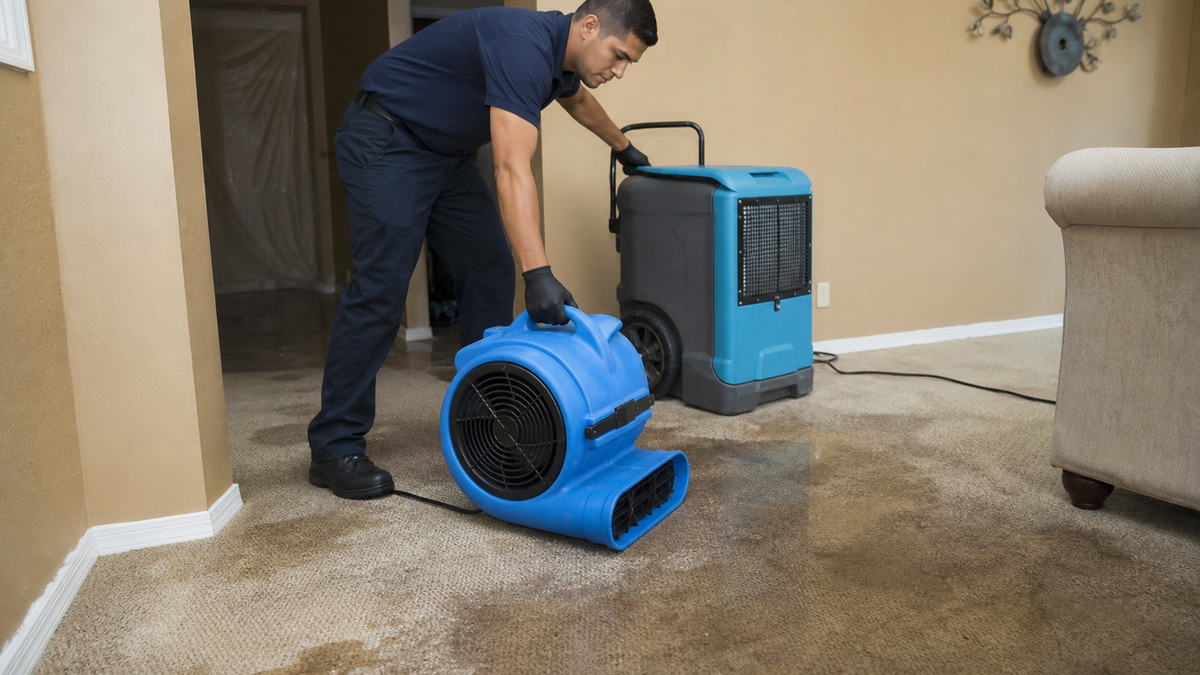
Professional mold remediation establishes polyethylene barriers, runs HEPA air scrubbers under negative pressure, removes contaminated materials in sealed bags, and treats exposed framing with appropriate methods after structural drying. That sequence protects both workers and occupants.
Antimicrobial treatment on exposed wood may follow removal when moisture conditions warrant it, but products never substitute for physical removal of contaminated porous materials. There is no spray that makes wet moldy drywall safe to leave in place.
HEPA vacuuming settled spores on floors after contained demolition is standard—broom sweeping remediated zones re-aerosolizes spores that settled during air scrubber operation and is a common DIY mistake after professional removal appears visually complete.
Tucson restoration professionals serving Oro Valley, Marana, Green Valley, and central Pima County apply these principles daily on safe removal vs. dangerous diy scenarios—local field experience matters as much as national IICRC standards when desert construction behaves differently from humid-climate textbooks.
Talking to Your Doctor and Documenting Exposure
If household members experience persistent respiratory symptoms after a known leak, share inspection reports and lab results with your physician. Allergists can perform skin or blood testing for mold sensitization, though positive results indicate allergy—not proof that home mold caused a specific disease.
Keep a timeline: when the leak started, when mitigation began, when symptoms appeared or worsened, and when remediation completed. This helps clinicians distinguish mold-related irritation from Arizona seasonal allergens and wildfire smoke that peak during the same monsoon months.
Employers and schools may request clearance documentation after major home remediation before sensitive individuals return to shared spaces. Post-remediation verification reports support those conversations with objective spore count data rather than anecdotal assurances.
Landlords and property managers in Pima County should not delay remediation when tenants report health concerns tied to visible mold. Fast, documented response limits liability and prevents small bathroom leaks from becoming whole-unit contamination through HVAC recirculation.
Bring photos of remediation containment and clearance reports to medical appointments when requesting work accommodations—employers respond more consistently to documented professional clearance than homeowner statements that mold was cleaned without verification.
Tucson restoration professionals serving Oro Valley, Marana, Green Valley, and central Pima County apply these principles daily on talking to your doctor and documenting exposure scenarios—local field experience matters as much as national IICRC standards when desert construction behaves differently from humid-climate textbooks.
Preventing Black Mold After Remediation
Remediation succeeds only when moisture sources stay fixed. Replace clogged AC condensate lines, repair cooler overflow pans, and seal roof flashing before rebuild. Without source correction, Stachybotrys returns on new drywall within months—a frustrating and expensive cycle we see in deferred-maintenance rentals.
Maintain indoor humidity below roughly 50 percent during monsoon weeks with properly sized AC and functional bathroom exhaust vented outdoors—not into the attic. Inspect HVAC closets quarterly for drip pan rust and line blockages common with Tucson hard water scale.
Schedule annual roof and cooler inspections before July storms. Storm restoration calls spike when preventive maintenance is skipped and microbursts find the weakest scupper on a flat roof. Prevention costs less than emergency extraction plus mold removal every summer.
After remediation, follow your contractor's clearance recommendations before moving belongings back. Running HVAC during final cleaning, replacing filters, and optional air testing confirm the environment has returned to normal background conditions for your family's health peace of mind.
Whole-house duct cleaning after major remediation may be warranted when HVAC ran during undiscovered mold periods—discuss with remediator based on filter inspection and return plenum condition rather than automatic upsell on every small bathroom project.
Tucson restoration professionals serving Oro Valley, Marana, Green Valley, and central Pima County apply these principles daily on preventing black mold after remediation scenarios—local field experience matters as much as national IICRC standards when desert construction behaves differently from humid-climate textbooks.
Frequently Asked Questions
The Bottom Line
Black mold deserves serious attention—not internet panic. Documented health effects include respiratory and allergic symptoms, especially in sensitive individuals, and improper removal creates the worst exposure spike. Tucson homes see Stachybotrys most often after chronic hidden leaks, not single monsoon events.
Professional inspection, containment, and removal following IICRC S520 protect your family and your property value. Testing adds value when clearance or medical documentation requires proof, not for every shower grout stain. Fix moisture first; remove contaminated materials second; verify air quality third.
If you see dark growth on wet drywall after a leak, skip the bleach and call for assessment. Correct remediation is faster, safer, and more defensible for insurance than weeks of DIY scrubbing that spreads spores through every room connected to your HVAC system.