Quick answer: Evaporative cooler mold grows on wet pads, in overflow pans, and along supply ductwork when systems run during humid monsoon weeks or when supply lines leak into attics. Tucson homes with rooftop and window-mount coolers need seasonal pad replacement, pan cleaning, and attic inspection—not just switching to AC.
Why Swamp Coolers Grow Mold in the Desert
Evaporative coolers work by saturating pads and pulling dry outside air through water—raising indoor humidity by design. During May and June dry heat, that humidity dissipates quickly. When monsoon dew points rise in July, pads stay wet longer while delivering humid air into homes and attics.
Mold spores colonize cellulose pads, wood framing near roof curbs, and dust on attic sheathing when relative humidity near the cooler stays elevated for days. Drexel Heights, Flowing Wells, and mid-century Tucson neighborhoods still rely heavily on rooftop coolers—making attic mold a seasonal epidemic.
Coolers that run continuously through humid weeks without pad replacement circulate musty air and deposit spores on ceiling diffusers, closet drywall, and furniture. Occupants smell mold when the blower starts even if attic growth is not yet visible from the living space below.
Abandoned cooler penetrations after AC conversion still leak when seasonal rains hit unused pans and uncapped supply lines. Marana and Oro Valley homes converted to refrigerated AC often retain roof curbs that pond water—a hidden mold source above master bedrooms.
Window-mount coolers on apartment complexes along Speedway and Grant condense moisture on exterior stucco below units—exterior mold on stucco differs from interior attic mold but signals chronic cooler runoff requiring pan and pad maintenance on every affected unit annually.
Tucson restoration professionals serving Oro Valley, Marana, Green Valley, and central Pima County apply these principles daily on why swamp coolers grow mold in the desert scenarios—local field experience matters as much as national IICRC standards when desert construction behaves differently from humid-climate textbooks.
Common Cooler Leak and Overflow Points
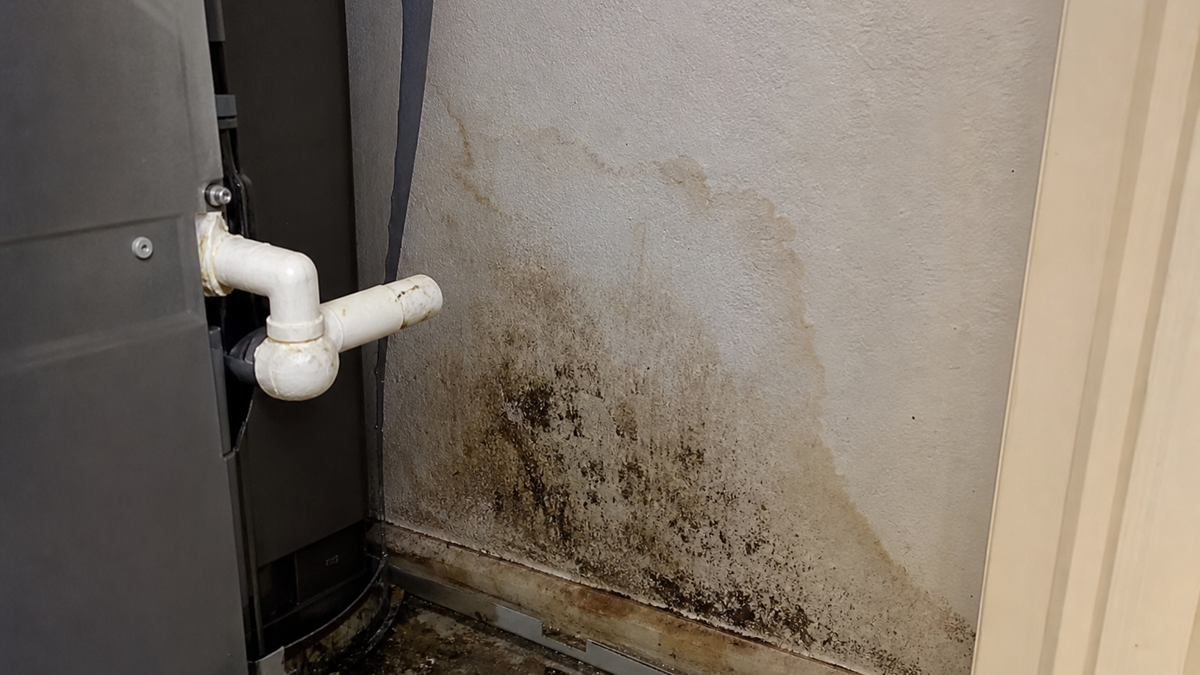
Overflow pans rust through on older units, dumping water onto ceiling drywall below the roof curb. A single season of overflow can saturate insulation and framing before a brown spot appears on the bedroom ceiling—by then mold covers sheathing extensively.
Supply line failures and float valve malfunctions overfill pans during overnight operation when nobody notices. Hard Tucson water accelerates scale on valves, preventing shutoff—a maintenance issue that becomes a water damage claim when attic mold follows.
Distribution lines disconnect inside attics, spraying water across insulation and duct board. Flexible tubes brittle from UV and heat crack at fittings during first summer startup, releasing water across attic planes before the homeowner runs the cooler.
Attic mold removal often follows cooler events rather than roof leaks in cooler-heavy neighborhoods. Inspection should include pan integrity, line connections, and curb flashing every spring before startup.
Cooler spider supports on flat roofs collect debris that blocks pan drains—annual service includes support inspection and drain clearing, not only pad replacement, on rooftop units above bedrooms in mid-century Tucson neighborhoods still on original cooler infrastructure.
Tucson restoration professionals serving Oro Valley, Marana, Green Valley, and central Pima County apply these principles daily on common cooler leak and overflow points scenarios—local field experience matters as much as national IICRC standards when desert construction behaves differently from humid-climate textbooks.
Signs of Cooler-Related Mold Problems
Musty odor strongest when the cooler blower runs implicates pad mold, duct contamination, or attic growth near the unit—not necessarily visible bathroom mold homeowners fixate on first.
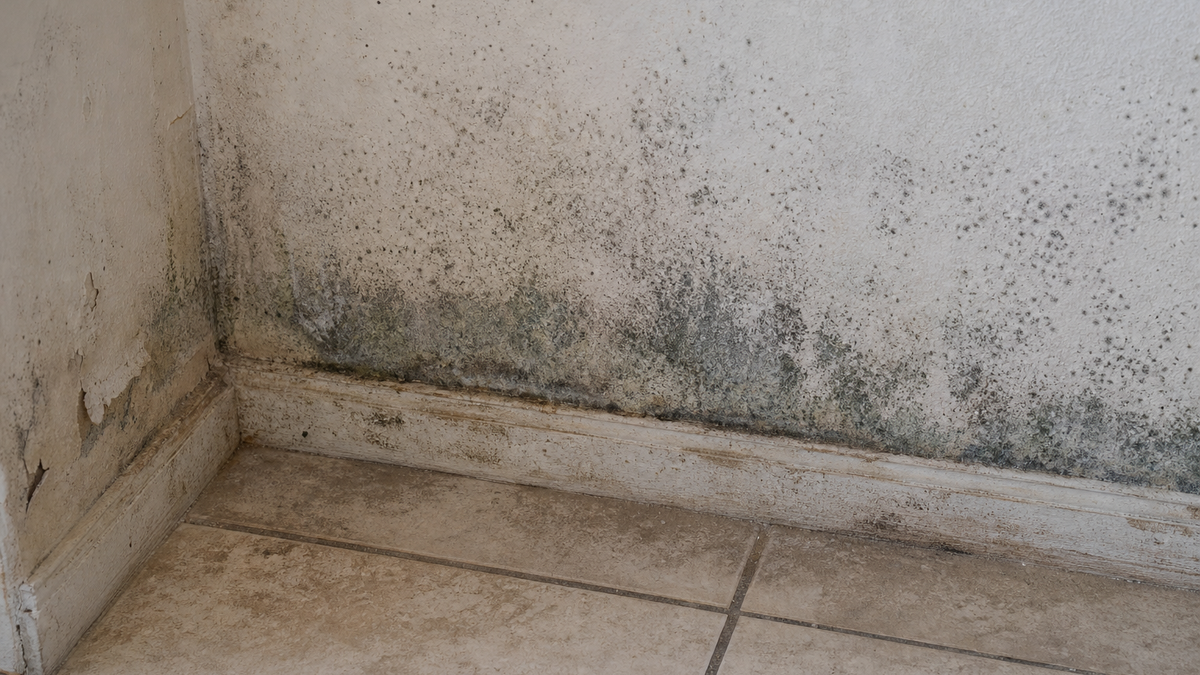
Dark spotting on ceiling diffusers, supply registers, and closet ceilings near HVAC paths suggests spore deposition from contaminated airflow. Wiping registers without attic source correction returns spotting within weeks.
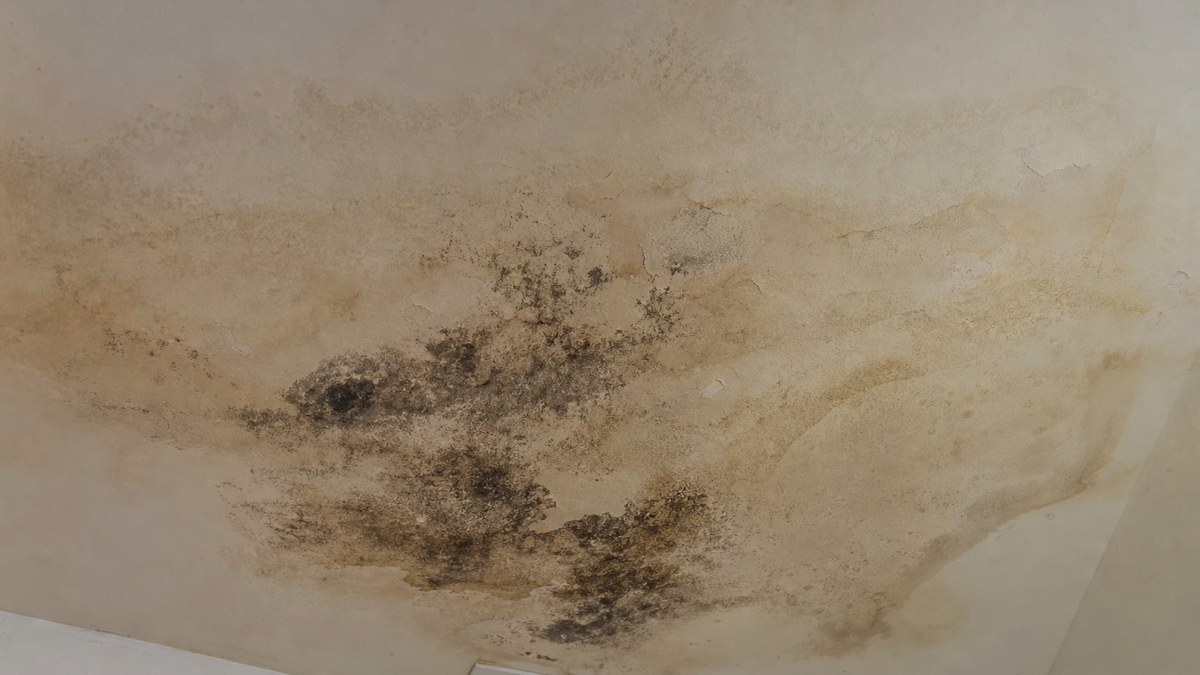
Water stains on ceilings beneath roof curbs indicate historical overflow—even if currently dry, past wetting may have left mold on sheathing requiring inspection before cosmetic repaint.
Increased allergy symptoms during cooler season in homes that switch back from AC each spring point to pad and duct biofilm—not just outdoor pollen. Medical improvement when traveling supports indoor source investigation.
Increased dust on supply registers when cooler runs may indicate mold on duct interior—not just household dust—especially when registers were clean at season startup and discolor within weeks of first monsoon humidity without corresponding outdoor haboob dust events indoors.
Tucson restoration professionals serving Oro Valley, Marana, Green Valley, and central Pima County apply these principles daily on signs of cooler-related mold problems scenarios—local field experience matters as much as national IICRC standards when desert construction behaves differently from humid-climate textbooks.
Health and Indoor Air Quality Impacts
Cooler mold distributes spores through whole-house duct paths more efficiently than isolated bathroom leaks. Central delivery spreads contamination to every room on the supply side—including bedrooms where occupants spend eight hours nightly breathing affected air.
Immunocompromised and asthmatic residents in Tucson retirement communities report symptom flares when coolers restart without pad replacement. Green Valley and Sun City adjacent properties should prioritize pad hygiene and attic inspection before seasonal occupancy returns.
Indoor air quality testing during cooler operation identifies elevated spore counts versus outdoor baseline—useful when musty smell persists but attic visual inspection is inconclusive behind insulation.
Disturbing moldy pads without PPE aerosolizes spores across the roof and through open attic access. Homeowners replacing pads should wear N95 respirators minimum and consider professional remediation when framing shows black or green colonization beyond the pad itself.
Schools and daycares with evaporative cooling require documented pad maintenance before summer session—parent inquiries about musty classrooms often trace to cooler pads unchanged from prior year on rooftop units serving multiple classrooms in older Pima County school buildings.
Tucson restoration professionals serving Oro Valley, Marana, Green Valley, and central Pima County apply these principles daily on health and indoor air quality impacts scenarios—local field experience matters as much as national IICRC standards when desert construction behaves differently from humid-climate textbooks.
Musty Smell When Cooler Runs?
Cooler mold spreads through ductwork into every room. We inspect attics, remove contaminated insulation, and remediate cooler-adjacent mold across Tucson and Pima County.
Call NowPrevention and Seasonal Maintenance
Replace cooler pads at startup each spring and mid-season if monsoon humidity arrives early. Pads are inexpensive compared to attic remediation—never run a second season on visibly discolored or rigid pads that no longer absorb evenly.
Clean pans, check float valves, and verify overflow drain lines route to roof scuppers or gutters—not into attic insulation. Test shutoff by lifting float manually before first full-season run.
Shut coolers during peak monsoon humidity weeks when AC can handle cooling load—many Tucson homes use hybrid strategies. Running coolers when outdoor dew points exceed roughly 55 degrees raises indoor humidity without effective cooling anyway.
Cap or remove abandoned cooler curbs properly when converting to refrigerated AC. Seal roof penetrations and redirect any legacy supply lines still tied to inactive pans that collect monsoon rain on flat roofs.
Bleeding off mineral-heavy pan water periodically reduces scale on float valves—hard Tucson water users should include pan flush in monthly summer maintenance when white crust appears on pan edges before valve stuck-open overflow events soak attic insulation overnight.
Tucson restoration professionals serving Oro Valley, Marana, Green Valley, and central Pima County apply these principles daily on prevention and seasonal maintenance scenarios—local field experience matters as much as national IICRC standards when desert construction behaves differently from humid-climate textbooks.
Remediation Scope for Cooler Mold Events
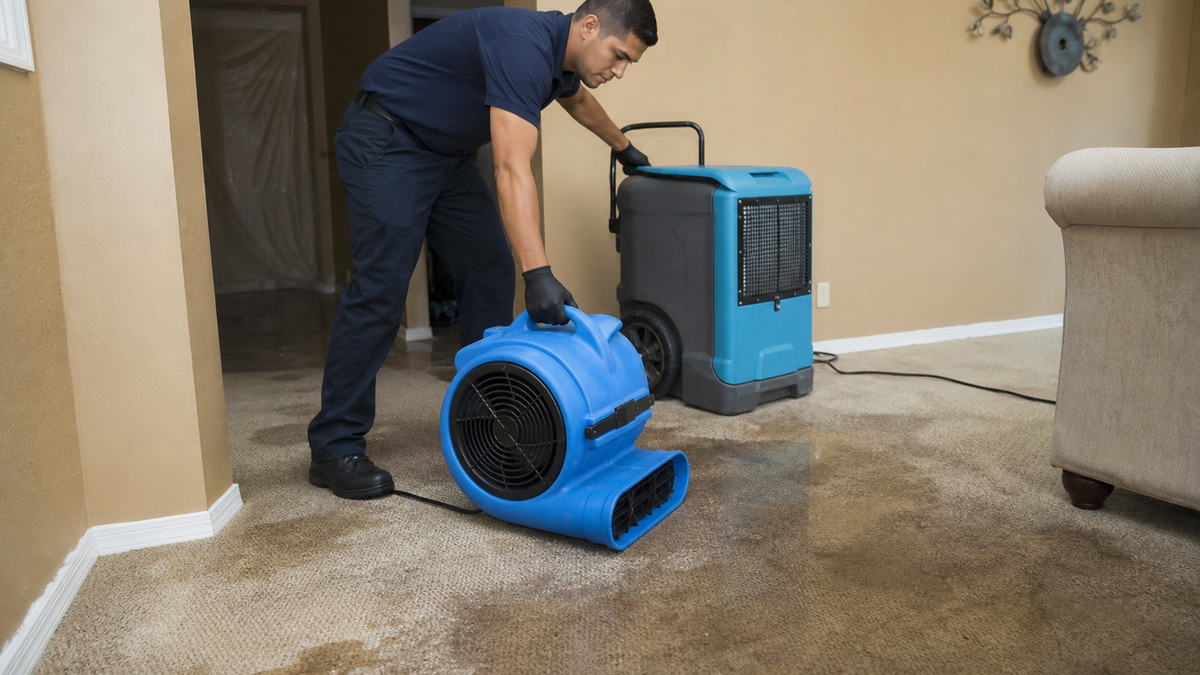
Mold remediation for cooler losses typically includes HEPA vacuuming and removal of moldy insulation near the curb, cleaning or replacing affected duct board, treating or replacing pads and pans, and scrubbing sheathing when colonization exceeds cosmetic levels.
Ceiling drywall below chronic overflow points is often removed to inspect top plates and verify framing dryness. Structural drying precedes rebuild when active leaks saturated materials—remediation without drying fixes mold temporarily while moisture remains.
Antimicrobial treatment on sheathing may follow cleaning when indicated, but physical removal of heavily colonized insulation and porous duct materials remains primary. No chemical replaces wet moldy insulation left in place.
Post-remediation verification with visual inspection and optional air sampling confirms spore counts normalized before cooler restart. Restarting on old pads without clearance repeats the cycle within one humid week.
Roof curb flashing failures combined with cooler overflow double wetting on same attic sheathing—repair flashing during remediation, not only cooler components, when inspection shows water paths from both monsoon rain and pan overflow staining on same rafter bays.
Tucson restoration professionals serving Oro Valley, Marana, Green Valley, and central Pima County apply these principles daily on remediation scope for cooler mold events scenarios—local field experience matters as much as national IICRC standards when desert construction behaves differently from humid-climate textbooks.
Cooler vs. AC: Hybrid Homes and Double Risk
Homes with both cooler and AC sometimes share ceiling paths and attic access—cooler mold contaminates AC ductwork when seasons switch without cleaning. Filter replacement and duct inspection at conversion prevent cross-system spore loading.
AC condensate and cooler overflow often affect the same HVAC closet in older homes. Combined moisture sources compound drywall mold behind units—a pattern requiring full closet demolition and water damage restoration before either system restarts safely.
Newer subdivisions in Sahuarita and Rita Ranch may lack coolers entirely, but rental stock across central Tucson still depends on swamp cooling. Property managers should schedule annual cooler service with mold inspection clauses in vendor contracts.
Energy savings from coolers are real in dry months—abandoning coolers entirely is not required. Disciplined maintenance and humidity-aware operation prevent mold while preserving desert-appropriate cooling economics.
Thermostat lockout preventing simultaneous cooler and AC operation avoids humidity overload—improperly wired dual systems running together raise indoor humidity faster than either alone, accelerating closet and ceiling mold near supply plenums in hybrid system homes.
Tucson restoration professionals serving Oro Valley, Marana, Green Valley, and central Pima County apply these principles daily on cooler vs. ac: hybrid homes and double risk scenarios—local field experience matters as much as national IICRC standards when desert construction behaves differently from humid-climate textbooks.
When to Call Professionals
Any cooler overflow that wetted ceiling drywall, insulation, or multiple attic rafters warrants professional assessment—not just pad swap. Moisture meters determine whether hidden wetting exceeds DIY pad replacement scope.
Visible mold on sheathing larger than roughly ten square feet, musty odor throughout the home, or health symptoms after cooler startup require containment-level remediation with HEPA filtration—not attic dusting with a broom.
Storm restoration calls sometimes bundle cooler damage with monsoon roof leaks—inspect both when water entered attic from multiple paths during the same event for complete scope documentation.
Insurance may cover cooler overflow as sudden accidental water damage when documented promptly—delaying inspection until mold spreads through ductwork weakens both health outcomes and claim narratives.
Insurance may cover cooler overflow as sudden water event when float failure documented—save failed float and photo pan water level on discovery to support sudden-accidental narrative against carrier chronic maintenance exclusion arguments on denied claims.
Tucson restoration professionals serving Oro Valley, Marana, Green Valley, and central Pima County apply these principles daily on when to call professionals scenarios—local field experience matters as much as national IICRC standards when desert construction behaves differently from humid-climate textbooks.
Frequently Asked Questions
The Bottom Line
Evaporative cooler mold is a Tucson-specific problem born from desert cooling economics meeting monsoon humidity. Pads, pans, and attics need seasonal maintenance—not neglect until musty air fills the house each June.
Overflow events require extraction, drying, and often attic remediation beyond pad replacement. Hybrid cooler-AC homes need conversion-season duct hygiene to prevent cross-contamination between systems.
Schedule spring cooler inspection before startup and call professionals when overflow wets structure or mold appears on sheathing. Cooler savings disappear quickly when attic remediation replaces a ten-dollar pad on time.
If your cooler runs through monsoon weeks without pad changes, treat musty supply air as a moisture problem—not a normal desert smell. Early attic inspection costs less than full attic mold removal after sheathing turns black behind insulation.