Quick answer: AC condensate leaks occur when drain lines clog with algae and hard-water scale, drip pans rust through, or float switches fail. Slow leaks soak closet drywall and framing for weeks before stains appear—creating chronic mold conditions ideal for Stachybotrys and Cladosporium behind walls.
How AC Condensate Systems Fail
Refrigerated AC removes humidity from indoor air, collecting condensate on evaporator coils that drains through a PVC line—often to roof scuppers, exterior walls, or plumbing drains. Tucson hard water promotes algae and scale inside lines that narrow until water backs up into drip pans.
Primary drain clogs force overflow into secondary pans equipped with float switches—when switches fail or secondary lines clog too, water spills over pan edges into HVAC closets and ceiling cavities below air handlers in attics and hall closets.
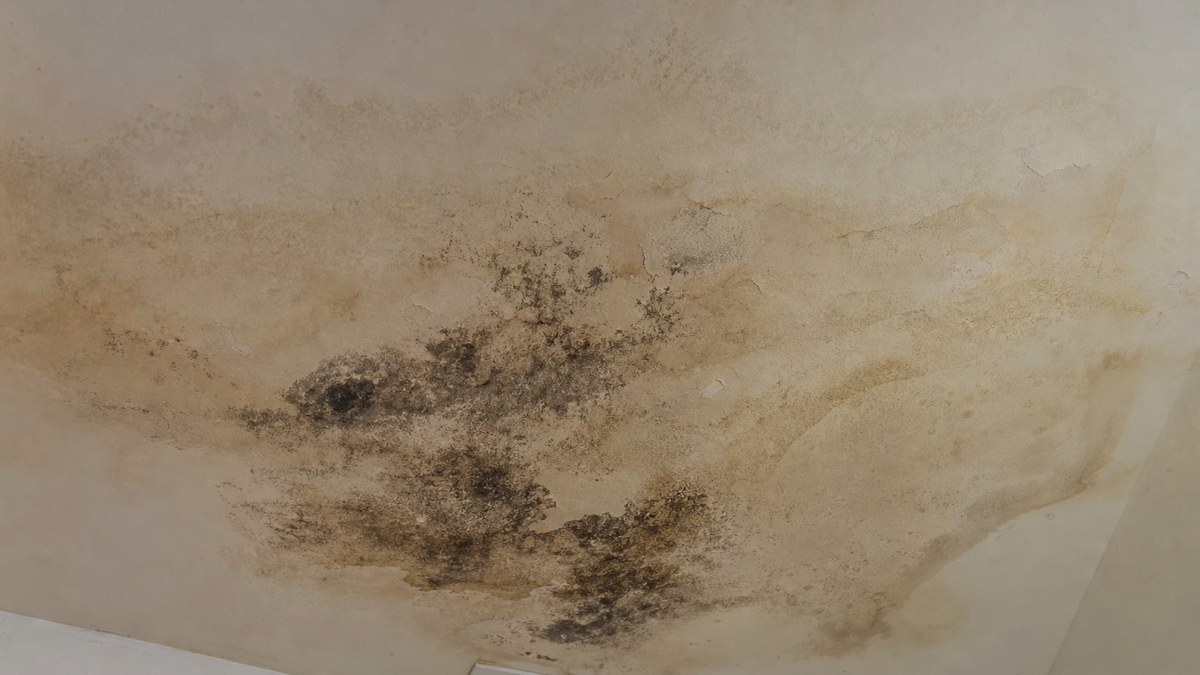
Attic-mounted air handlers in Catalina Foothills and Oro Valley homes drip onto ceiling drywall with no warning until brown spots appear in bedrooms below—sometimes weeks after the clog started during peak July cooling load.
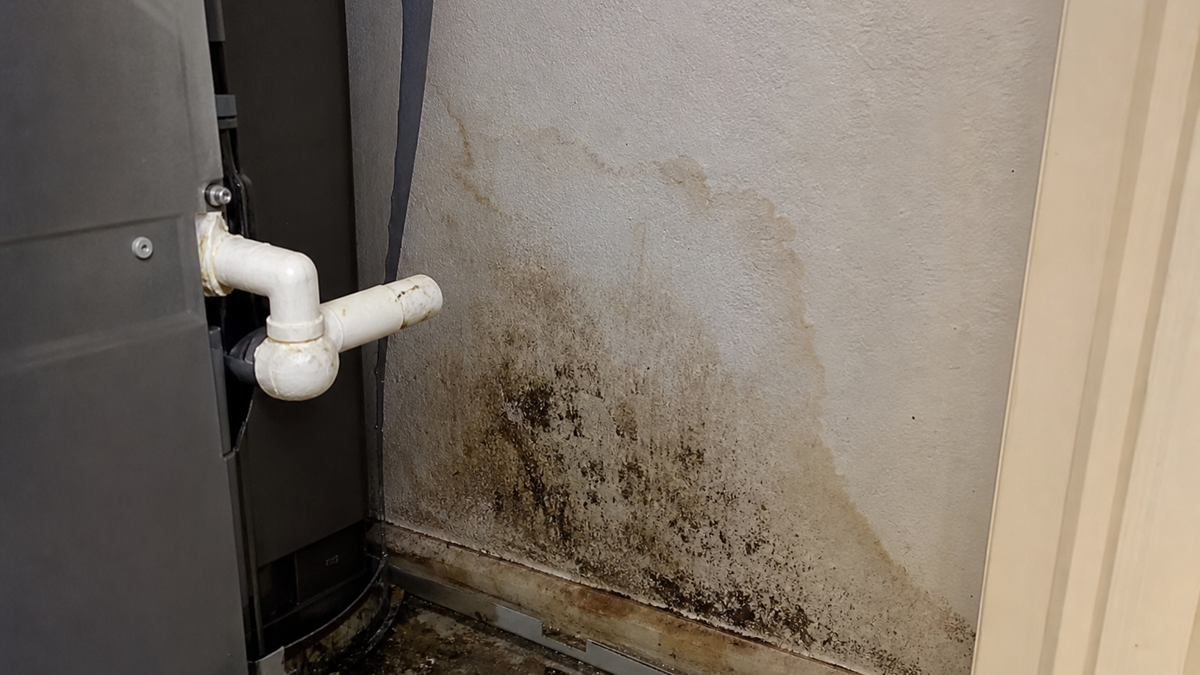
Wall-mounted closet units in ranch homes concentrate damage on shared bedroom walls and hall drywall. Closet doors stay closed, slowing evaporation while mold colonizes both sides of the wall before occupants notice musty smell near return grilles.
Mini-split condensate pumps in garage conversions and casita additions fail quietly—water fills indoor head drain pans and drips down exterior stucco on adobe casita walls before interior stain appears facing the courtyard in Barrio and foothills guest house conversions.
Tucson restoration professionals serving Oro Valley, Marana, Green Valley, and central Pima County apply these principles daily on how ac condensate systems fail scenarios—local field experience matters as much as national IICRC standards when desert construction behaves differently from humid-climate textbooks.
Tucson Hard Water and Algae Growth
Tucson Water and Metro Water supply mineral-rich water that accelerates scale in condensate lines and pans. Combined with dark moist drain lines, algae blooms restrict flow faster than in soft-water regions—making annual line cleaning a local necessity, not optional maintenance.
Tablet algaecides in pans help but do not replace line flushing. DIY compressed-air blows may puncture aged PVC or push clogs deeper without clearing roof termination points where birds nest or debris blocks outlets on flat-roof commercial buildings along Oracle Road.
Condensate pumps on systems draining uphill to plumbing stacks fail silently when pump motors burn out—water fills reservoir boxes until they overflow into laundry rooms and hall closets in slab homes across Rita Ranch and Sahuarita.
HOA multi-unit properties with shared roof drainage see recurring clogs when multiple units drain to common scuppers—one blocked outlet backs up condensate for several homes simultaneously during heat waves when AC runs continuously.
Water softener discharge into condensate lines is prohibited but occasionally found on DIY installs—softener brine accelerates corrosion and creates atypical white crust blocking lines on Tucson homes where owners attempted to combine drainage paths without code-compliant separation.
Tucson restoration professionals serving Oro Valley, Marana, Green Valley, and central Pima County apply these principles daily on tucson hard water and algae growth scenarios—local field experience matters as much as national IICRC standards when desert construction behaves differently from humid-climate textbooks.
How Slow Leaks Create Chronic Mold
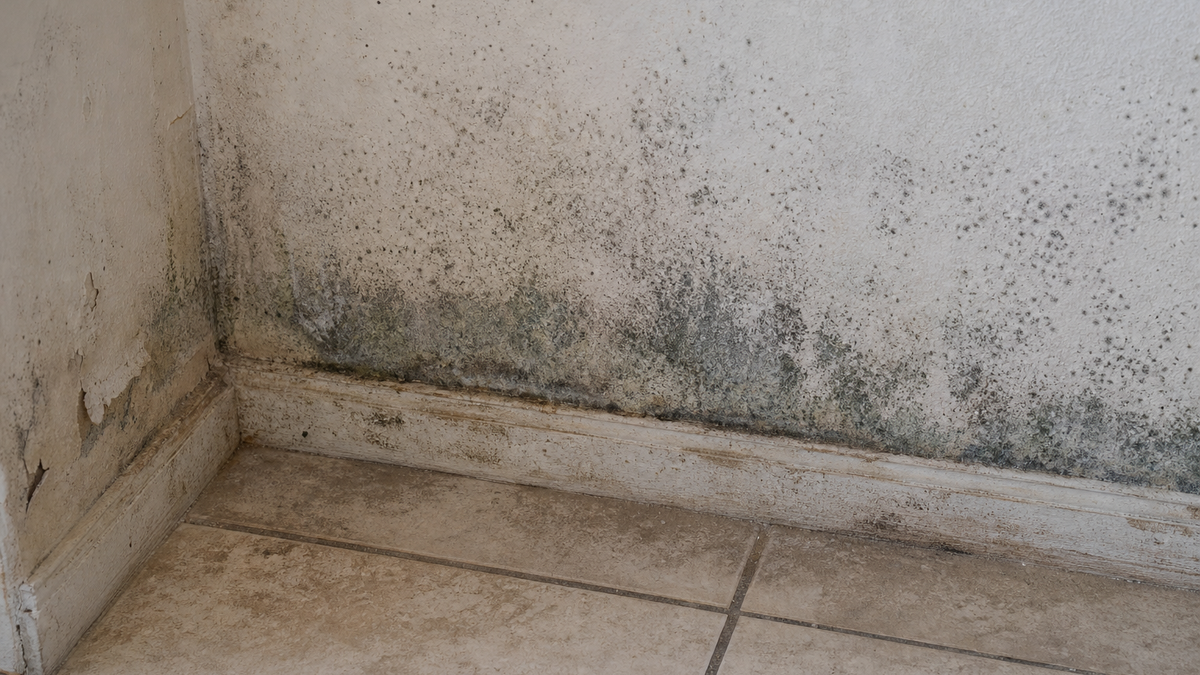
Condensate leaks are slow and repetitive—exactly the pattern that favors Stachybotrys on wet drywall paper. Daily drips keep materials above mold threshold moisture while never triggering emergency homeowner response until visible damage is advanced.
HVAC closets contain cellulose drywall, paper-faced insulation, and dust-laden framing in small enclosed volumes. Relative humidity spikes when coils drain improperly and closet doors remain closed—creating incubator conditions despite desert outdoor readings.
Mold inspection with moisture meters often reveals elevated readings on both closet walls and shared bedroom surfaces while exterior closet paint looks intact. Thermal imaging highlights cool wet zones behind minimal visible staining.
Return air paths pull spores from moldy closet drywall into central systems, depositing contamination at registers throughout the house. Whole-home air quality testing sometimes shows elevated counts far from the closet source when this recirculation pattern exists.
Master closet mold behind hanging clothes absorbs musty odor in fabrics—content cleaning may be required after closet remediation even when drywall replacement completes, because spores settle on textiles hanging inches from chronically wet shared wall with HVAC closet.
Tucson restoration professionals serving Oro Valley, Marana, Green Valley, and central Pima County apply these principles daily on how slow leaks create chronic mold scenarios—local field experience matters as much as national IICRC standards when desert construction behaves differently from humid-climate textbooks.
Warning Signs of Condensate Mold Problems
Rust stains on drip pans, standing water in pans when AC runs, and gurgling drain sounds indicate drainage problems before mold appears—correct these immediately without waiting for drywall stains.
Musty smell near return grilles when AC starts suggests mold on coil housing, closet drywall, or duct insulation—not normal operational odor. Persistent smell after filter change implicates material mold, not filter dust.
Ceiling stains below attic air handlers and baseboard darkening on walls shared with HVAC closets are late-stage indicators. Assume mold colonization when stains appear—do not limit investigation to cosmetic paint cover-up.
Increased allergy symptoms when AC runs but not when windows are open implicates HVAC-associated mold or biofilm—not outdoor Tucson pollen alone. Symptom correlation with thermostat use is a diagnostic clue for physicians and inspectors.
Water mark on garage ceiling below hall HVAC closet indicates condensate overflow above—inspect hall closet immediately even when garage puddle was mopped dry, because active leak may continue soaking shared wall assembly between closet and garage ceiling plane.
Tucson restoration professionals serving Oro Valley, Marana, Green Valley, and central Pima County apply these principles daily on warning signs of condensate mold problems scenarios—local field experience matters as much as national IICRC standards when desert construction behaves differently from humid-climate textbooks.
Stain Near Your Air Handler?
Condensate leaks rarely stop on their own. We map moisture, dry structure, and remediate mold in HVAC closets across Tucson—before spores enter every room through the return plenum.
Call NowDIY Drain Cleaning vs. Professional Remediation
Homeowners may clear accessible condensate traps and pour approved cleaners when no mold or drywall damage exists yet—if water flows freely and pans drain dry during operation. Once drywall is wet or mold visible, remediation scope replaces DIY drain maintenance.
Bleach on closet mold without fixing drain clogs guarantees recurrence within weeks. Source correction precedes or accompanies removal—never cosmetic wipe-down alone on porous contaminated drywall.
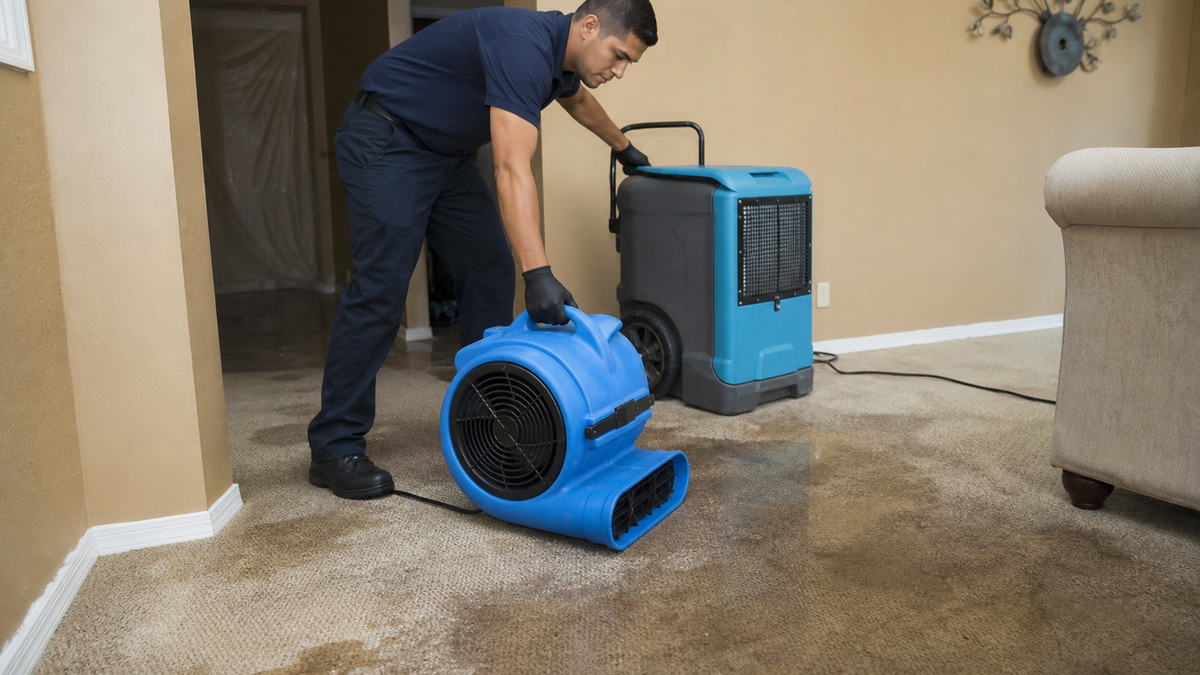
Water extraction and structural drying apply when significant pooling occurred before discovery. Wet insulation in closet walls requires removal; drying in place rarely succeeds in enclosed HVAC chases.
Mold remediation with containment prevents spore migration during closet demolition—critical when return plenum draws air across work zones. Negative air and HEPA scrubbers protect unaffected rooms during removal.
Wet-vac condensate pan only after confirming drain path clear—vacuuming pan without clearing line clog refills pan within hours during peak cooling load afternoons when Tucson outdoor temperatures exceed 105 degrees and condensate volume peaks daily.
Tucson restoration professionals serving Oro Valley, Marana, Green Valley, and central Pima County apply these principles daily on diy drain cleaning vs. professional remediation scenarios—local field experience matters as much as national IICRC standards when desert construction behaves differently from humid-climate textbooks.
Prevention Tips for Tucson Homeowners
Schedule HVAC maintenance twice yearly—spring before cooling season and fall before heating switchover. Technicians should flush condensate lines, test float switches, inspect pan condition, and verify roof or wall termination is clear.
Install overflow shutoff switches if absent—cheap insurance against catastrophic closet flooding when primary and secondary drains fail simultaneously during 110-degree July weeks when AC runs nonstop.
Replace rusted pans and cracked PVC sections before they fail—especially on 15-year-old units common in 2000s Pima County subdivisions. Deferred pan replacement costs less than closet remediation and ceiling drywall replacement below attic handlers.
Keep HVAC closet doors open occasionally during monsoon weeks to allow humidity escape after service—closed closets trap moisture from normal coil condensation even when drains function properly during humid outdoor periods.
UV light condensate line treatments reduce algae frequency but require bulb replacement per manufacturer schedule—expired UV bulbs provide false confidence when homeowners assume treatment active because unit light glows while bulb lost germicidal effectiveness months prior.
Tucson restoration professionals serving Oro Valley, Marana, Green Valley, and central Pima County apply these principles daily on prevention tips for tucson homeowners scenarios—local field experience matters as much as national IICRC standards when desert construction behaves differently from humid-climate textbooks.
Insurance Considerations for Condensate Leaks
Sudden accidental overflow from failed components may be covered as water damage on many homeowners policies. Chronic neglect disputes arise when carriers document years of rusted pans and never-serviced lines—maintenance records matter.
Insurance claim assistance documents sudden failure indicators—ruptured lines, failed pumps, blocked outlets—and ties mitigation scope to covered loss dates. Photos of pan overflow on discovery day support sudden-event narratives.
Mold resulting from covered water damage may be included when mitigation begins promptly. Delayed discovery arguments fail when homeowners ignored stains for months—report and mitigate when first noticed.
Landlord-tenant properties need prompt response when tenants report closet stains. Deferred maintenance becomes habitability and liability issue under Arizona law when mold spreads to occupied bedrooms adjacent to HVAC closets.
Document HVAC technician findings when emergency service call precedes restoration—technician invoice noting failed float or clogged line supports sudden failure narrative on claims where carrier questions whether leak was gradual maintenance issue excluded from coverage.
Tucson restoration professionals serving Oro Valley, Marana, Green Valley, and central Pima County apply these principles daily on insurance considerations for condensate leaks scenarios—local field experience matters as much as national IICRC standards when desert construction behaves differently from humid-climate textbooks.
Commercial Rooftop Units and Tenant Spaces
Packaged rooftop units on Tucson strip centers drain to roof scuppers that clog with haboob dust and palm debris. Overflow enters ceiling tile and T-bar grids above retail tenants—often Category 2 gray water from pan biofilm, requiring professional cleanup beyond janitorial response.
Property managers should include condensate line verification in quarterly HVAC contracts with photo documentation. Tenant mold complaints in Oracle Road and Broadway commercial suites frequently trace to roof drain maintenance deferred across multiple units.
Odor removal after condensate mold in food service tenants requires source removal in ceiling cavities—not ozone alone when contaminated insulation remains above dining areas.
After-hours remediation minimizes business interruption when containment and ceiling tile removal would otherwise halt operations during peak lunch service in dense commercial corridors.
Restaurant rooftop units produce high condensate volume during kitchen cooling load—multiple unit failures during monsoon week can overwhelm shared roof drains, backing up condensate across several tenant spaces simultaneously on strip center flat roofs along Tucson commercial corridors.
Tucson restoration professionals serving Oro Valley, Marana, Green Valley, and central Pima County apply these principles daily on commercial rooftop units and tenant spaces scenarios—local field experience matters as much as national IICRC standards when desert construction behaves differently from humid-climate textbooks.
Frequently Asked Questions
The Bottom Line
AC condensate leaks are Tucson hidden mold factory number one—slow, repetitive, and confined in HVAC closets until spores enter whole-house air paths. Hard water scale and algae make local drain clogs more frequent than national averages suggest.
Fix drains at first gurgle or pan rust sign—not at first ceiling stain. Once mold colonizes closet drywall, remediation with containment, drying, and source repair replaces a maintenance call that would have cost far less in May.
Schedule bi-annual HVAC service, install overflow shutoffs, and call restoration professionals when stains or musty AC odors appear. Your closet air handler should cool your home—not seed mold through every register.
In multi-story Tucson homes, a second-floor closet leak often appears first as a first-floor ceiling stain—by then, mold may already span two levels. Thermal imaging during inspection finds wet framing before stains spread across living areas.